
Visiting Specialists: Cardiology
Heart disease can be congenital (they were born with it), inherited (they got it from their parents’ genes) or acquired (it has developed throughout the pets’ life)
What are the common signs of heart disease?
- Exercise intolerance – If your dog is reluctant to exercise or gets out of breath with a small amount of exercise.
- Coughing – a new persistent cough
- Breathing changes – difficulty breathing or faster breathing. In cats, panting or open mouth breathing is abnormal.
- Fainting/collapse – this can happen if the heart disease is severe enough to cause a reduction in delivery of oxygen to the brain.
Diagnosing heart disease
Once signs of heart disease have been recognised in your pet, there are a number of diagnostic tests to confirm and assess the severity and suitability of your pet for medications. Not all pets will be showing the above signs of heart disease, and a heart murmur or irregular rhythm may have been picked up by a vet on a routine examination.
Diagnostics can include an electrocardiogram (ECG), echocardiogram (ultrasound of the heart), radiographs (x-rays) of the chest, blood pressure measurements and blood tests.
The tests cannot only confirm if heart disease is present, but can enable us to stage the disease. Early stages of heart disease may just require monitoring, but later stages will require medications. Some medications can be started early, and evidence shows that starting a particular cardiac medication early can reverse remodelling of the heart muscle, delay the time of onset of cardiac failure and lead to longer survival times.
These tests can be done by ourselves as general practitioners, but some cases of heart disease can be more complicated and we often require the assistance of a specialist. This can be done by referring your pet to a cardiologist, and we are very lucky to have a travelling cardiologist we work closely with.
A specialist is a vet that has undergone additional extensive training and examinations in a particular area of medicine or surgery. This can take several years of internships and a residency, with specialist examinations to become board-certified. They have a very high level of expertise and knowledge within their chosen discipline.
Hannah Stephenson
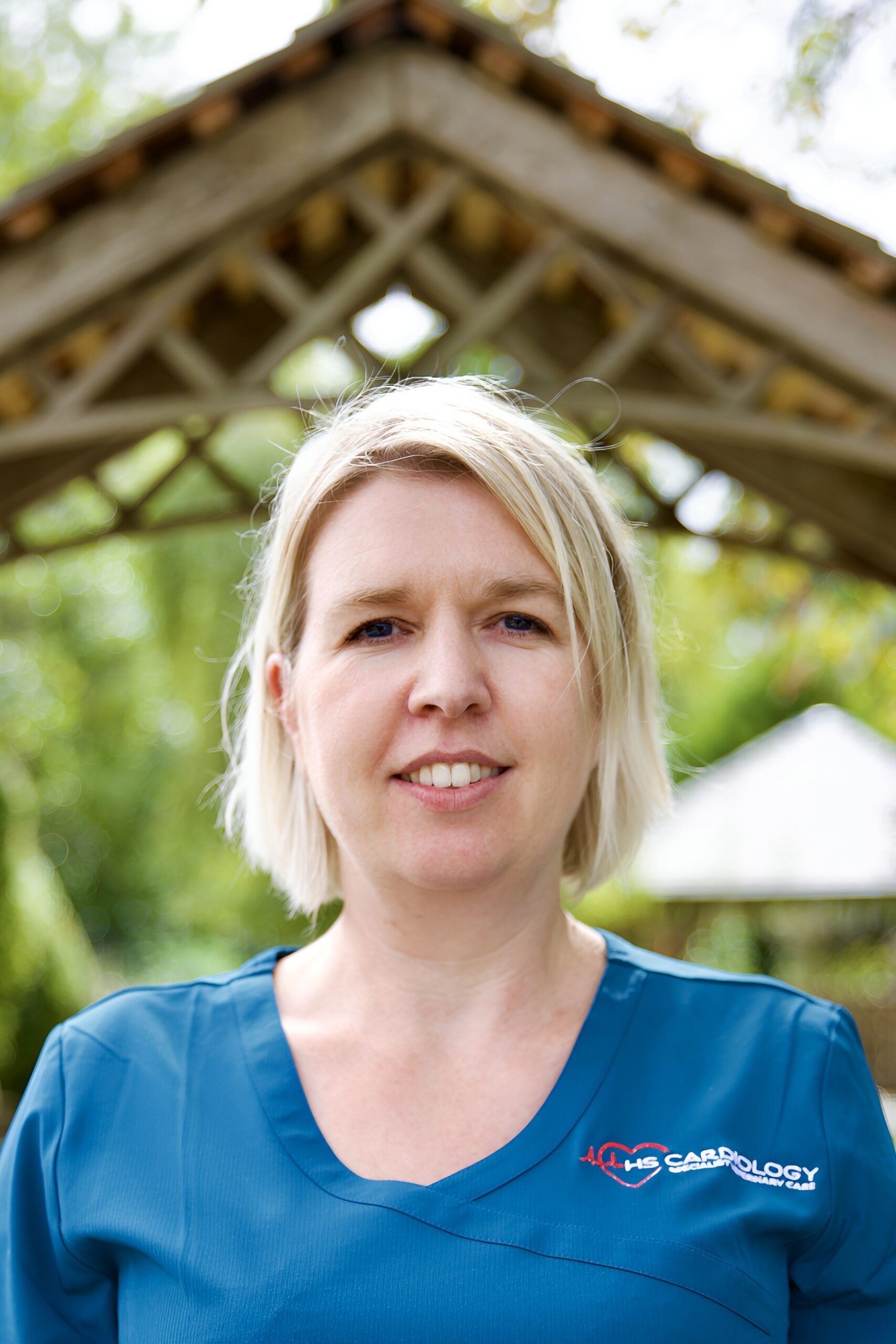
Hannah is an RCVS and European specialist in veterinary cardiology and the director of HS cardiology. She has been a working in specialist cardiology practice since 2008.
Hannah established HS Cardiology in 2014, and has been travelling the North West helping vets, pets and owners ever since!
Hannah qualified from the University of Glasgow in 2005. She spent a few years in general mixed practice, before starting on the route to specialisation. In order to achieve the status of European Specialist, Hannah underwent a three year residency training programme at the University of Liverpool, before staying on as a lecturer for a year.
During her time at Liverpool she was involved in many research projects, developing a particular interest in dilated cardiomyopathy in Great Danes.
Hannah and her team of specialists and nurses regularly come for scheduled days at our Winnington practice to perform the above tests and provide specialist veterinary care.
If you are concerned about any of the symptoms mentioned above, please contact us on 01606 880890 or 01606717969 to book an appointment with one of our vets. If needed, they can then make the necessary steps to further investigate any concerns or refer your pet to HS cardiology.