Rabbit Awareness Week
The Rabbit Awareness Action Group (RAAG) is the trusted voice for rabbit welfare, each year they run Rabbit Awareness Week (RAW) to improve the lives of pet rabbits. This year is their 20th anniversary campaign and the theme is Feeding Bunnies Better!
This is to educate and inform about the ideal diet and feeding requirements we should provide for our bunnies. Rabbits are the UK’s third most popular pet, after dogs and cats, however they are still often neglected with the wrong diet, no companionship or unsuitable housing.
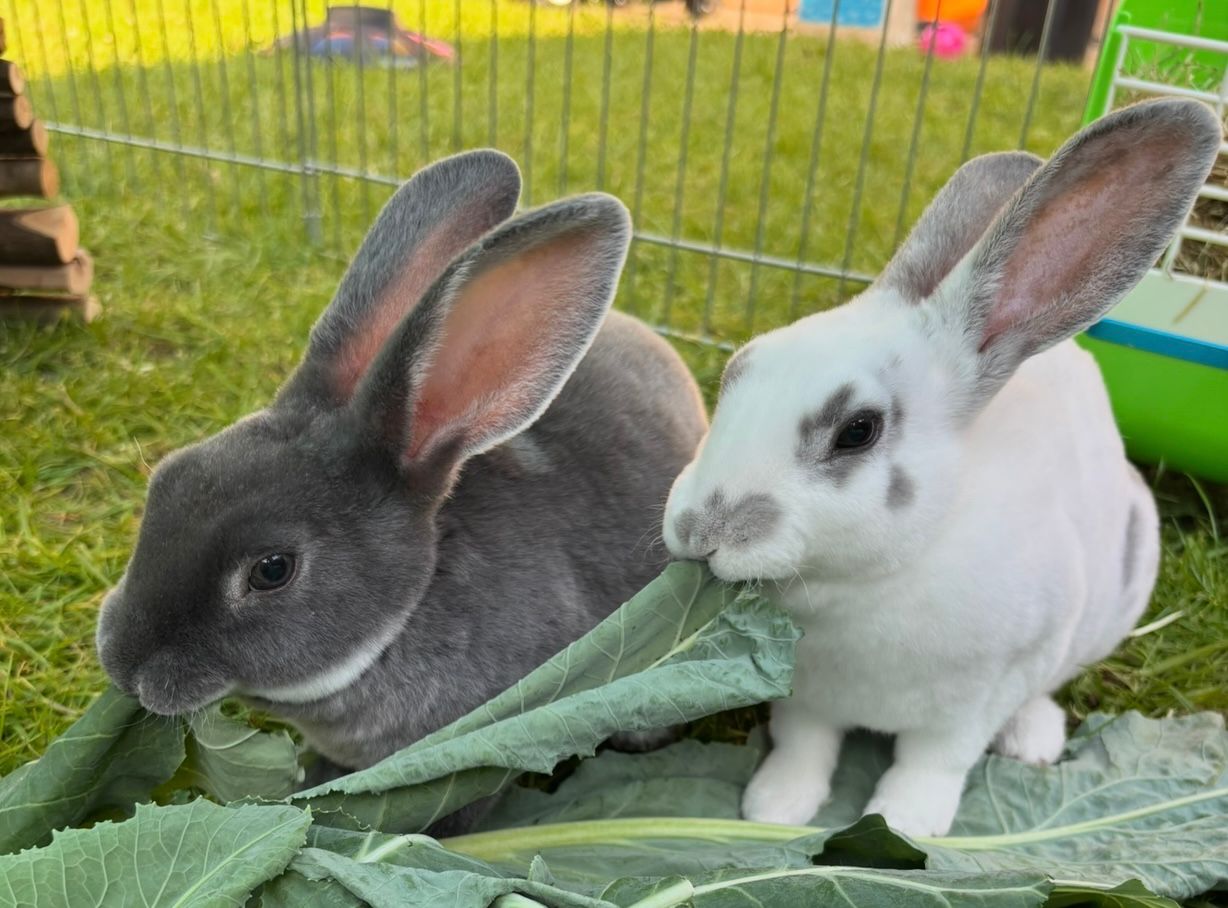
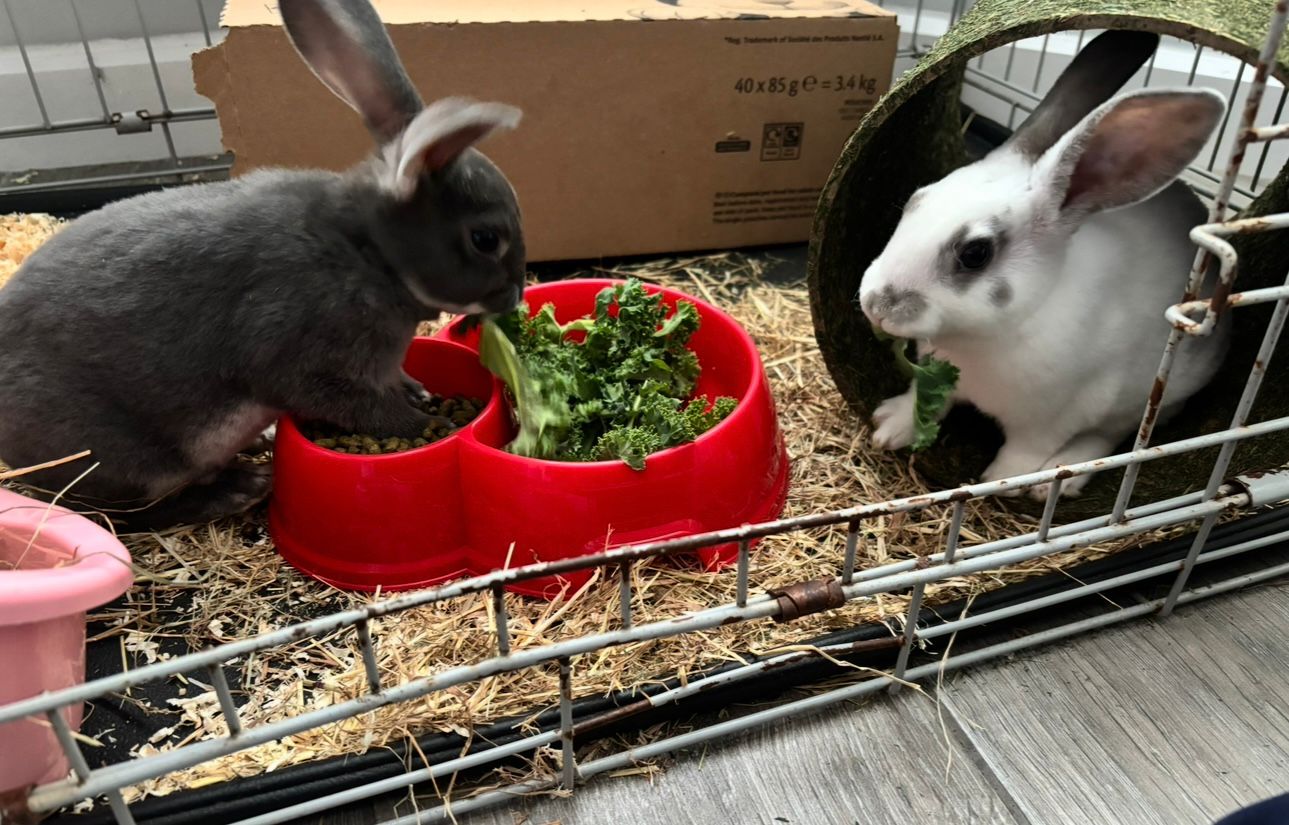
Hay should make up 85–90% of your rabbit’s diet! The rest should include a small portion of high-fibre nuggets, rabbit-safe greens and fresh water daily. Too many treats or muesli-style foods can lead to selective feeding and serious health issues, so getting the balance right matters. A rabbit’s diet is very important as this is the main way to ensure their dental health. If rabbits are not fed correctly then they can be prone to overgrown teeth, which will cause pain and discomfort. Rabbit teeth grow continuously throughout their life so they require plenty of fibre to help wear them down. Incorrect diets can also lead to gut stasis and obesity.
Rabbits need plenty of space to hop, stretch, explore and forage naturally. A cramped setup limits movement, impacting their health, wellbeing and make it harder to encourage natural feeding behaviours like grazing on hay throughout the day. You should provide a rabbit-friendly space with room to scatter feed, forage and roam, because happy homes help create healthy appetites.
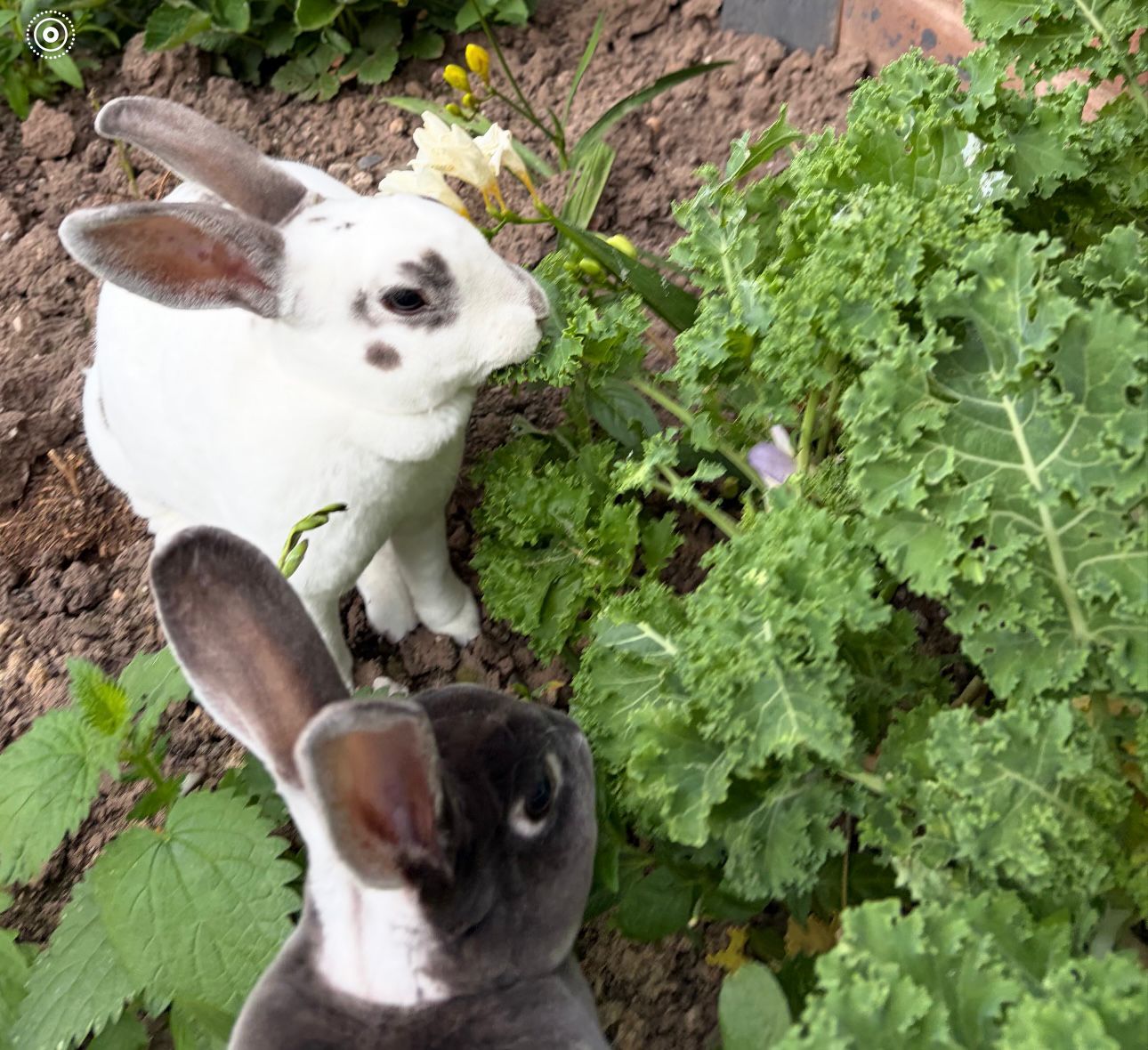
Rabbits love to forage, dig, chew and explore, and food can be a great way to encourage these natural behaviours. Try scattering nuggets through hay, hiding treats in enrichment toys or offering safe forage to keep mealtimes fun and stimulating. Feeding shouldn’t just fill tummies, it should keep rabbits mentally and physically active too.
Rabbits are social animals and should live in compatible pairs or groups. A lonely rabbit can become stressed, withdrawn and may even lose interest in food. Eating together is a natural rabbit behaviour, bonded bunnies often graze side-by-side, forage together and help each other feel safe and secure. Friendship really can help keep rabbits happier, healthier and eating well.
A rabbit that stops eating is often a rabbit that needs urgent veterinary attention. Changes in appetite can be an early sign of dental problems, stress, illness or gut stasis — which can quickly become serious.
Keep an eye on eating habits, droppings and behaviour, and always contact your vet if something feels wrong. Healthy rabbits start with prevention, proper nutrition and regular care.
Ensuring your rabbit is fed correctly is one of the ways you can ensure they are the happiest and healthiest they can be. Other important aspects of their lives include providing adequate space and housing, grooming, neutering and vaccinations.
A hutch is not enough! Hutches should never be used as the main enclosure for a rabbit as they do not provide enough space. As a minimum, a pair of average sized rabbits would need space measuring at least 3m x 2m all on one level with a height of 1m. Having a 3m length of space is important for them to be able to run. Other components of a good enclosure include a multi level home with ramps and platforms, places to dig, such as a foraging box. or a play tunnel to run through. Hiding spaces are important, as are cosy areas to sleep – a hutch could make a good hiding or sleeping place.
Rabbits love going free range and having a wide lawn they can be let out to explore and run.
As rabbits should live in groups it is also important to ensure they are neutered to prevent any unwanted litters. Neutering also has the further benefit of preventing uterine cancers in females and can reduce aggressive behaviour.
All rabbits should be vaccinated against Myxomatosis and Rabbit Viral Haemorrhagic Disease (RVHD), which can both be fatal. Vaccinating them is a simple way to help prevent spread of the disease.
If you have any questions about looking after your rabbits or if you are thinking about getting rabbits as a pet, then we are here to help.
Contact us on 01606 880 890 or 01606 717969 or visit https://rabbitawarenessactiongroup.co.uk for more information