
Easter Toxins! What Easter Treats Should Our Pets Be Avoiding?
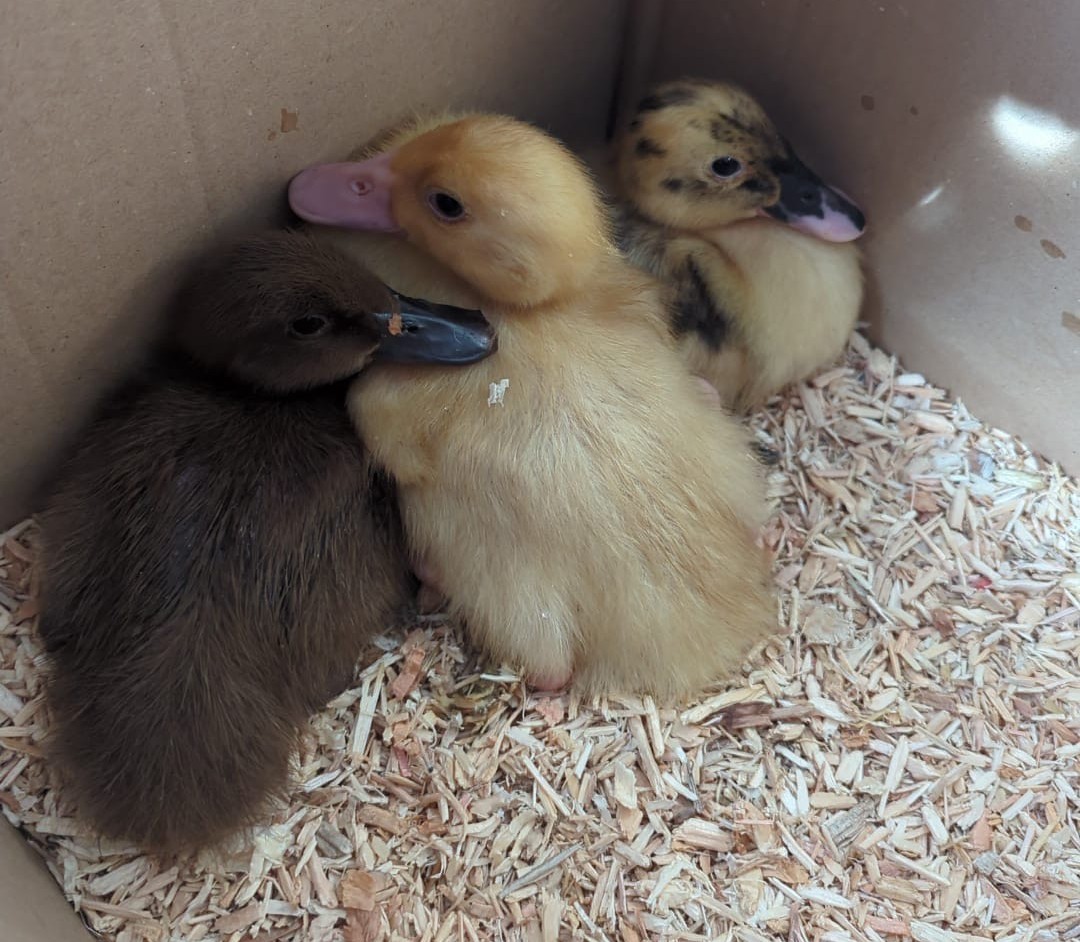
Happy Easter to all those who celebrate! It brings blossoming Spring, longer days, delicious food and promises of sunny days and picnics.
Easter is a lovely time of year for us all, however for our pets it brings some hidden dangers. From delicious chocolate eggs, traditional hot-cross buns and Simnel cakes, to seasonal flowers both in and out of the home, there are several things to keep in mind this time of year.

Tulips & Daffodils
- The bulbs of tulips and daffodils are the most toxic parts of the plant.
- They contain toxins that can cause vomiting, diarrhoea, drooling, abdominal pain, and in some cases, seizures, heart problems and breathing difficulties.

Lilies
- Ingestion of lilies are toxic to our feline friends, including hybrid lily plants
- All parts of the flower including the leaves, stem, pollen and vase water are highly toxic to cats which can cause kidney failure
- Cats can easily get pollen on their fur and then ingest it when cleaning themselves.
- Symptoms of lily ingestion includes vomiting, lethargy, loss of appetite, drooling and an increase in thirst and urination.
- Lilies can also be toxic to dogs, causing oral irritation, gastrointestinal upset and sometimes heart issues.

Chocolate / Easter Eggs
The most common culprit of problems for our canine friends this time of year!
- Chocolate contains theobromine which is highly toxic for our pets
- The higher the cocoa content, the more toxic it is, so dark chocolate is more of a risk than milk.
- The symptoms of chocolate toxicity are vomiting, diarrhoea, hyperexcitability, tremors, unsteadiness and seizures.
Sugar Free Sweets (Xylitol)
- Products containing Xylitol are highly toxics to our pets as xylitol causes a severe drop in blood sugar levels which can lead to weakness, collapse and potentially seizures.
- These can also lead to liver failure

Simnel Cake / Hot-Cross Buns
- Both of these delicious treats contain raisins – which can be highly toxic to our pets.
- There is no known toxic dose of raisins, meaning any amount ingested is considered toxic to our pets.
- Ingestion can lead to kidney failure. Signs of ingestion include vomiting, lethargy, loss of appetite, abdominal pain and dehydration.
If you suspect your pets have ingested any of these toxins, please don’t hesitate to contact us on 01606 880890 or 07606 717969.