↓
 
  • Home
  • About Us
    • COVID-19
    • Privacy Policy
    • Staff
      • Our Vets
      • Our Vet Nurses
        • Veterinary Nursing Awareness Month (VNAM)
          • Veterinary Nurse awareness month 2015
          • Veterinary Nurse Awareness Month 2016
          • Veterinary Nursing Awareness Month 2017
          • Veterinary Nursing Awareness Month 2018
      • Our Receptionists
      • Visiting Specialists
      • Hollybank’s Resident Guinea Pigs
      • Staff Holiday
    • Hospital Status
      • RCVS Practice Standards Scheme
      • Floor Plan
      • Facilities
      • FAQ Hospital Status
    • History of Hollybank
    • Community
      • Hollybank’s involvement within the community
      • Work Experience Applications
      • Charity support
    • Newsletters
  • Your Pet
    • Dog Friendly Clinic
      • Pre-Visit Advice
    • Cat Friendly Clinic
      • Medicating your cat
      • Choosing a suitable cat carrier
      • Getting your cat used to their carrier
      • Reducing stress during trips to and from the vet
      • Recognising pain in cats
    • Brave Pets!
    • What Happens when…
      • Your pet is vaccinated
      • Your pet is microchipped
      • Your pet is castrated
      • Your pet is spayed
      • Your female dog is spayed
      • Your pet has an operation
      • Your pet is hospitalised
      • You move house
    • Educational Articles
  • Fees & Insurance
    • Prescriptions
    • Out of Hours Emergency Service
    • Second Opinions & Referrals
    • Terms & Conditions
  • Register
    • Update your details
    • Register Online
  • Appointment/Prescription Request
    • Appointment Request
    • Repeat Prescription Request
  • Contact/Find Us
    • Find Us
    • Contact Us
    • Feedback
      • Client Satisfaction Survey

Independent Small Animal Hospital

Home - Page 69 << 1 2 … 67 68 69 70 71 … 137 138 >>

Post navigation

← Older posts
Newer posts →

Chemotherapy Brave Pets

Posted on 29th October, 2017 by Richard Hewitt30th October, 2017

With many of us having direct or indirect experience of cancer it can be very easy to apply what we know to our pets. Chemotherapy in our pets is actually very different. As we are making this choice on their behalf  we use much lower and well tolerated doses. The aim of veterinary chemotherapy is always ‘palliative’ with the priority being quality of life and to hopefully extend survival time. For some cancers this may mean months, for others a state of ‘remission’ can be entered and they may remain clinically well for years. The decision to put your pet through chemotherapy is of course very personal and dependent on the individual patient; a decision we will help you make and support you in.

We carry out the chemotherapy protocols ourselves at Hollybank. These protocols vary significantly but involve both oral and intravenous drugs. If required, we can also seek specialist support and advice from Ian Grant who runs a chemotherapy consultancy. We currently have a number of patients doing very well with chemotherapy and they all deserve some brave pet recognition.
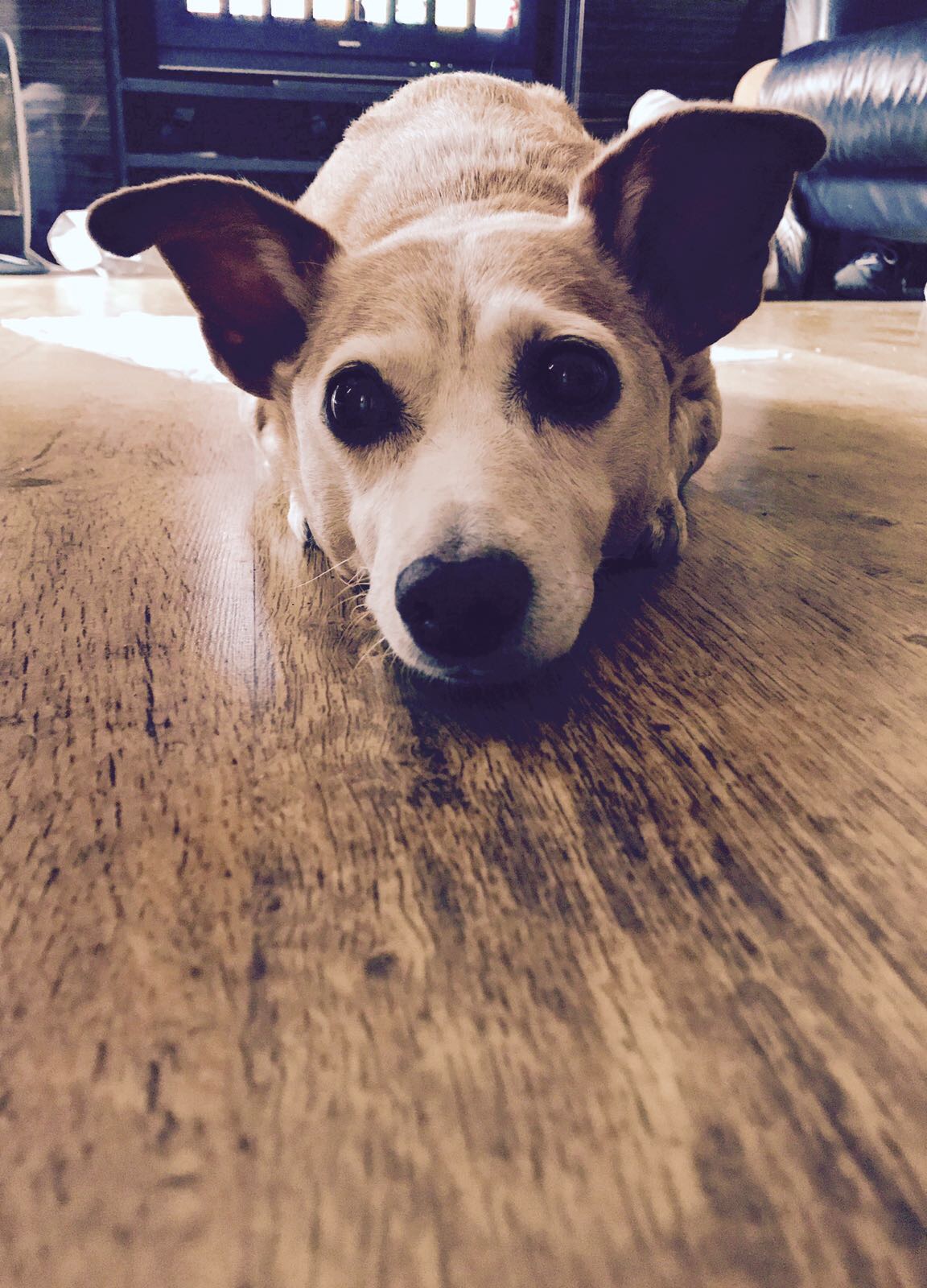
Betty! Betty is a lovely Jack Russel Terrier who loves nothing better than chasing frogs! She was diagnosed with lymphoma in February 2017.  Lymphoma is a cancer of white blood cells called lymphocytes. Fortunately, it can be very chemotherapy responsive and for relatively little intervention we can, in cases, significantly extend survival time. There are lots of different drug protocols and Betty is receiving a continuous protocol which means she will continue this ongoing.
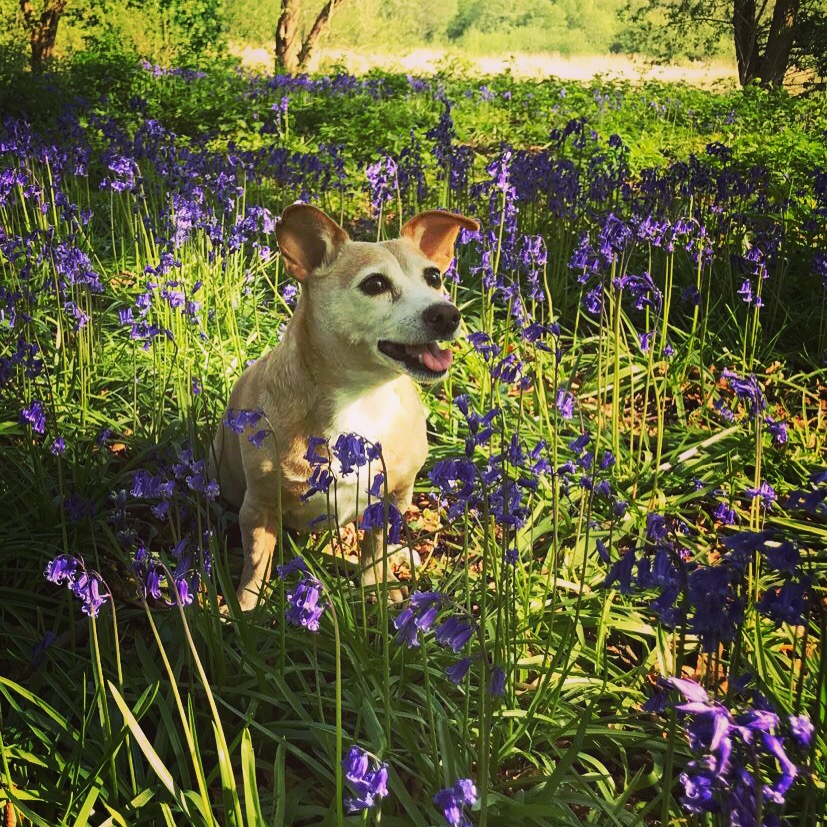
Betty is currently in remission and comes in to have chemotherapy every 4 weeks. In the early stages we had to fine tune the doses of the drugs she was receiving in order for her chemotherapy to be tolerated and therefore worthwhile for Betty. It is imperative that our patients stay well and happy during their chemotherapy. We love seeing Betty and her dedicated owner and Betty is very used to coming to stay with us now.

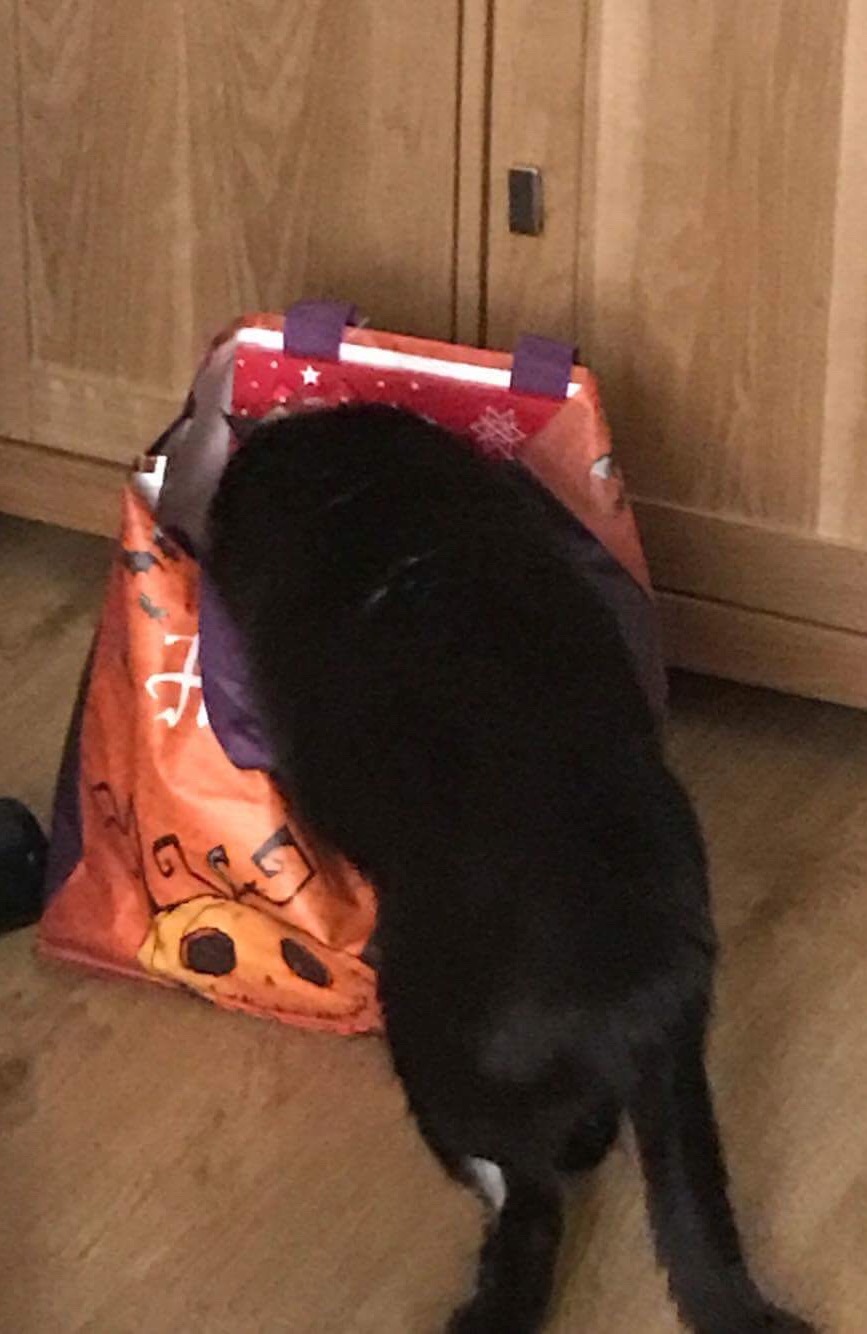
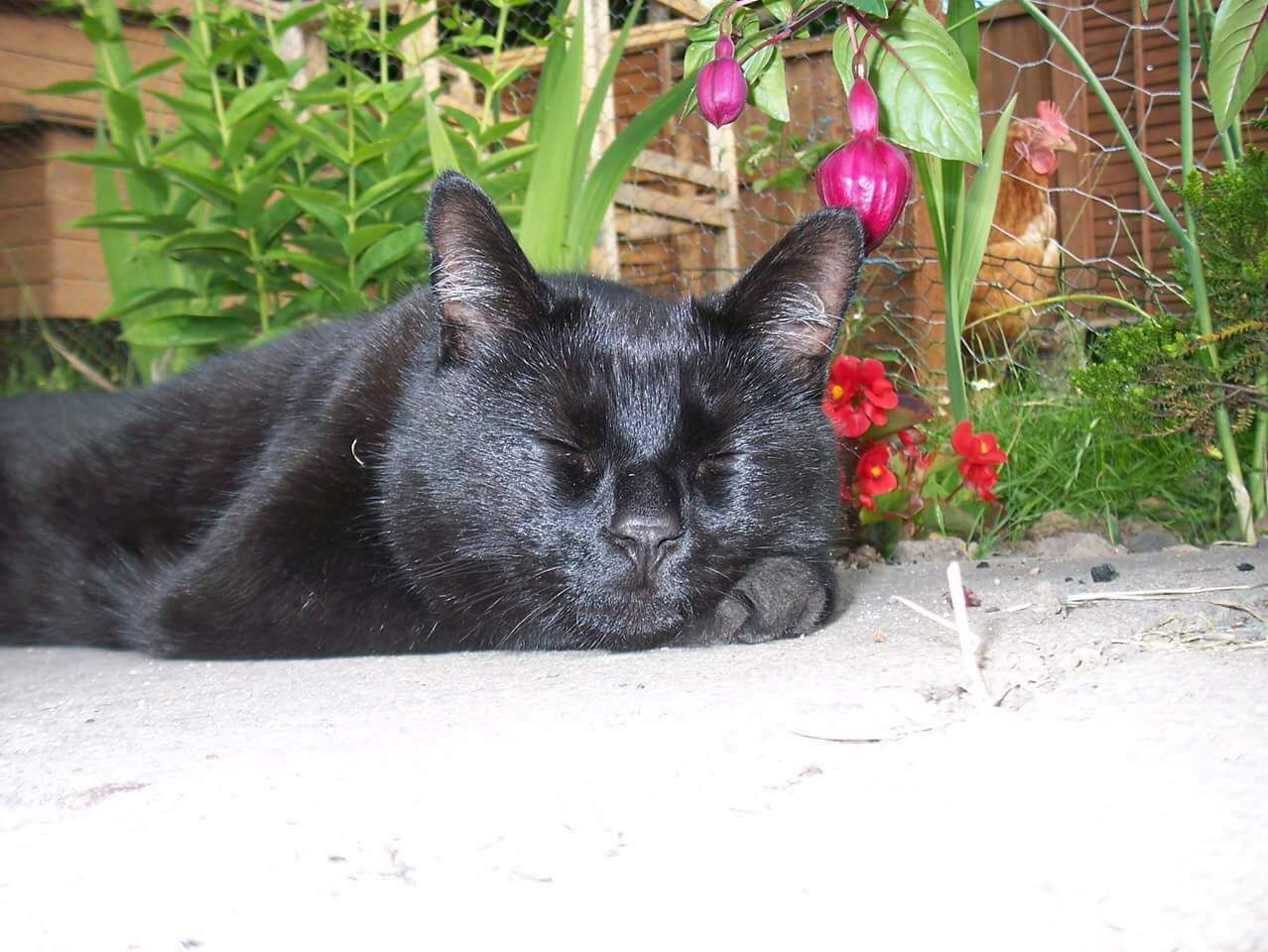
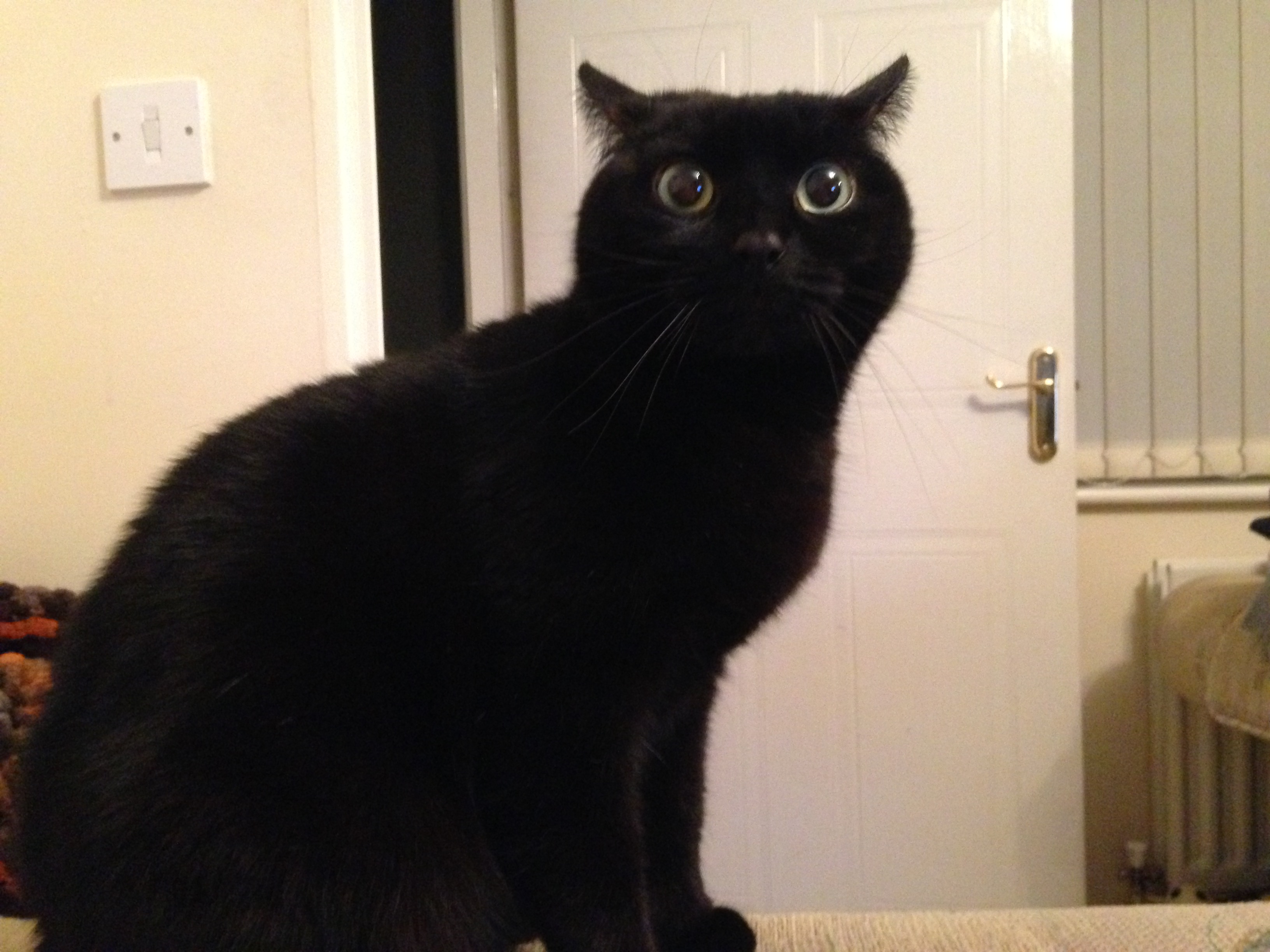
Stinky! Stinky is a beautiful black cat. He also has lymphoma, his is classified as a large B cell lymphoma. There are a number of different types in cats and although knowing the type doesn’t always change the chemotherapy, it can sometimes affect the prognosis. Stinky was diagnosed in April 2017 and is receiving the same continuous protocol as Betty. He currently has his chemotherapy every 3 weeks; the longer the patient remains in remission the less frequent the chemotherapy can become. His owner noticed a huge improvement in Stinky very quickly and after initially being a monkey for his tablets at home he is doing very well. The photos are all of Stinky since starting his chemotherapy; aside from his various clip patches you wouldn’t be able to tell any difference, he is enjoying normal life and being mischevious!

Swift! Swift is a lovely gentle Lurcher. He was diagnosed with lymphoma in March 2017 and started his chemotherapy soon after. He is in fact one of our most well behaved and relaxed patients for his chemotherapy. He is on a different protocol to Betty and Stinky which contains an additional drug; it is more intensive to begin with, however it holds the benefit of being a one off 25 week protocol without the need for continuous chemotherapy. Response rates and survival times are generally better for this protocol however the protocol intensity is based on what we think is best for the individual patient. Swift’s protocol went very smoothly.

We repeat bloods prior to every chemotherapy dose as the drugs have the potential to cause immune suppression. It is therefore important to ensure the next dose is going to be safe and tolerated.  For Swift, the occasional dose was delayed due to low white blood cells, however he was never unwell during this time and came back to carry on his regime within a few days. Swift has finished his protocol and is currently in remission with no ongoing trips to the vets.  His owners report that he is in really good form at home and even putting some weight on, which he has always struggled with. It was an absolute pleasure to treat Swift and we hope he continues to be a happy and healthy boy for some time.  

Ernie!  Ernie presented back in May 2014 due to rectal prolapse. Despite symptomatic treatment the prolapse was recurrent with no obvious cause. Ernie was referred for further investigations. The referral centre found an enlarged abdominal lymph node but no other abnormalities. The lymph node was sampled and a diagnosis of lymphoma was confirmed. In light of this, Ernie’s recurrent episodes of rectal prolapse were thought to be due to rectal lymphoma. This is an unusual presentation but nonetheless should still be responsive to chemotherapy. Ernie went through a set cycle of chemotherapy similar to Swift and he too was confirmed to be in remission. Ernie has shown an extended and remarkable response to his chemotherapy with no signs of recurrence 3 years on. We miss seeing Ernie’s bouncy self but it is far better that he now only needs to come and visit for boosters.
Bingo! Our extra special brave pet this month is Bingo. Bingo was a beautiful brave boy owned by Cat, one of our veterinary nurses at Hollybank. He was diagnosed with lymphoma in September this year following recurrent and non-responsive gastrointestinal signs. Bingo definitely put Cat’s veterinary nurse instincts and care to the test over the years with many misdemeanours and adventures! At 9 years old he fractured his leg and required a number of surgical implants to fix it. He did very well after this but in the following years he suffered with arthritis in this leg and both of his hips. In March of this year the arthritis in his right hip could not be managed with pain medications and we performed a femoral head and neck excision, this would fuse the joint and reduce the pain. This surgery made a big difference to Bingo’s comfort however Cat noticed he was starting to lose weight. His recent bloods had been very normal so we checked his thyroid hormone which confirmed hyperthyroidism. Cat decided to take Bingo to the  hyperthyroid cat centre for Iodine therapy, this is the treatment of choice for this condition. Despite a weeks stay at the hyperthyroid centre Bingo came home happy and the procedure proved effective.

At every turn, Cat has provided Bingo with the best level of care and at his most recent diagnosis opted to try chemotherapy. Response to chemotherapy is monitored by resolution of the pet’s clinical signs and reduction in size of associated tumours and lymph nodes.  For Bingo, the response to chemotherapy wan’t as quick as it had been for some patients and he remained miserable and unwell. During all of Bingo’s adventures he had stayed is happy and loving self but this time round Bingo was struggling and Cat made the extremely difficult decision to say goodbye. It is so important to recognise that chemotherapy isn’t always right for every individual and although we miss Bingo dearly it was the right decision for him. 

Without treatment, the survival time for Lymphoma is estimated between 4-6 weeks. For many of of our brave lymphoma pets and their owners they have been fortunate enough to have successful chemotherapy and extra time together already which is what makes chemotherapy for this disease worth trying. 
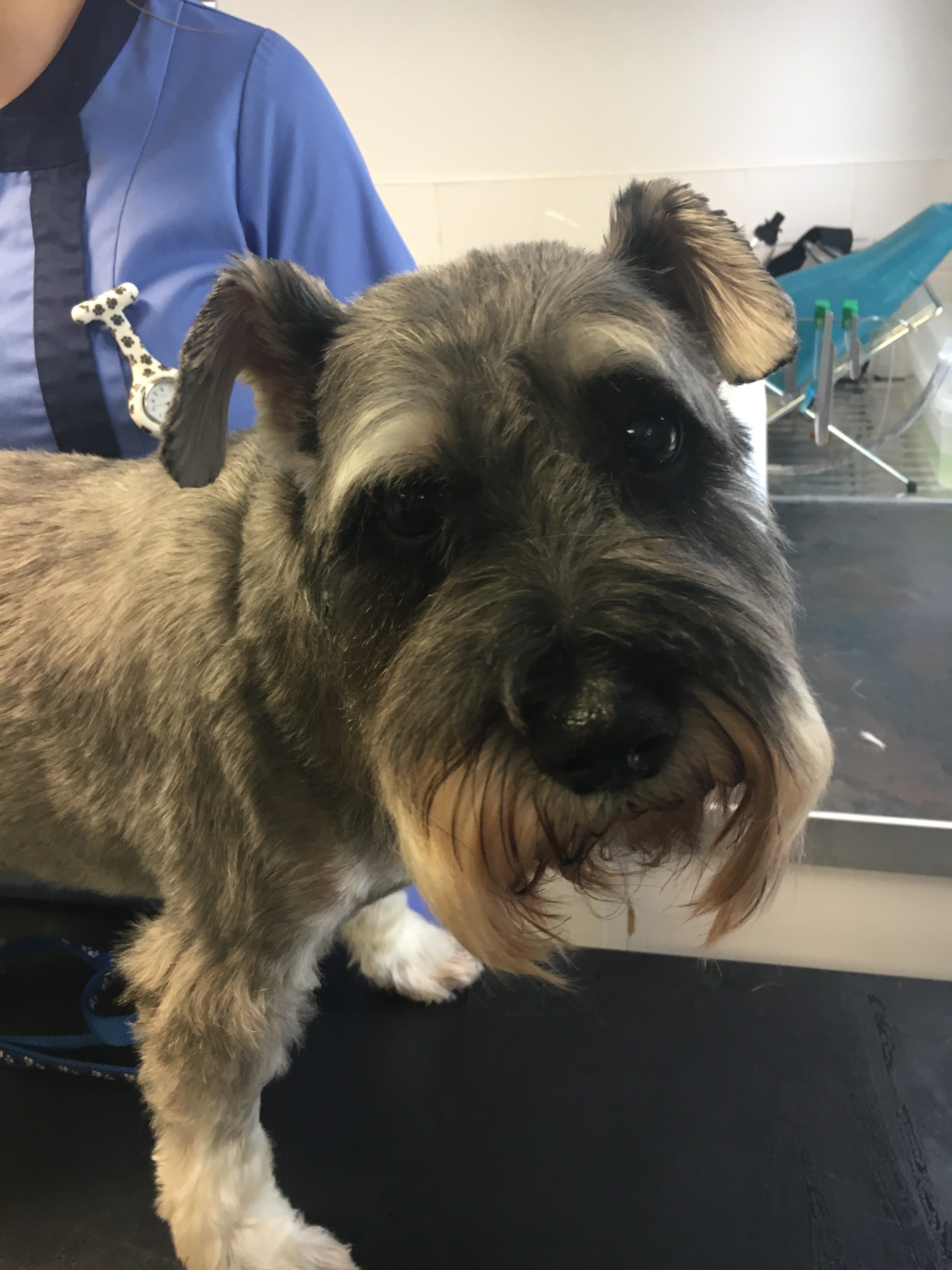
Alfie!  Alfie is such a gentleman, always so well mannered and well behaved during his visits with us. Alfie was diagnosed with a skin tumour in January 2017. It was removed surgically and confirmed to be a mast cell tumour. Unfortunately, these have the potential to behave aggressively and the skin tumour recurred in three different places close to the original site. We could of course remove them surgically again, however mast cell tumours release Histamine which can result in poor wound healing. With recurrence once already and the likelihood these were aggressive forms they were deemed ‘non surgical’.
As a result, Alfie embarked on chemotherapy. There are a number of targeted therapies for  mast cell tumours but unfortunately Alfie did not show a good enough response to these. Ian Grant, an oncology specialist has been involved in Alfie’s case and with his support we opted to put Alfie on a different chemotherapy protocol which he is currently stable and doing well with. We see Alfie every 1-2 weeks; sometimes for an intravenous drug given via a catheter and other weeks just for a big plate of food with his oral chemotherapy hidden in! Despite Alfie’s challenging disease he has remained very well throughout his chemotherapy and still enjoys life as normal with his lovely family.


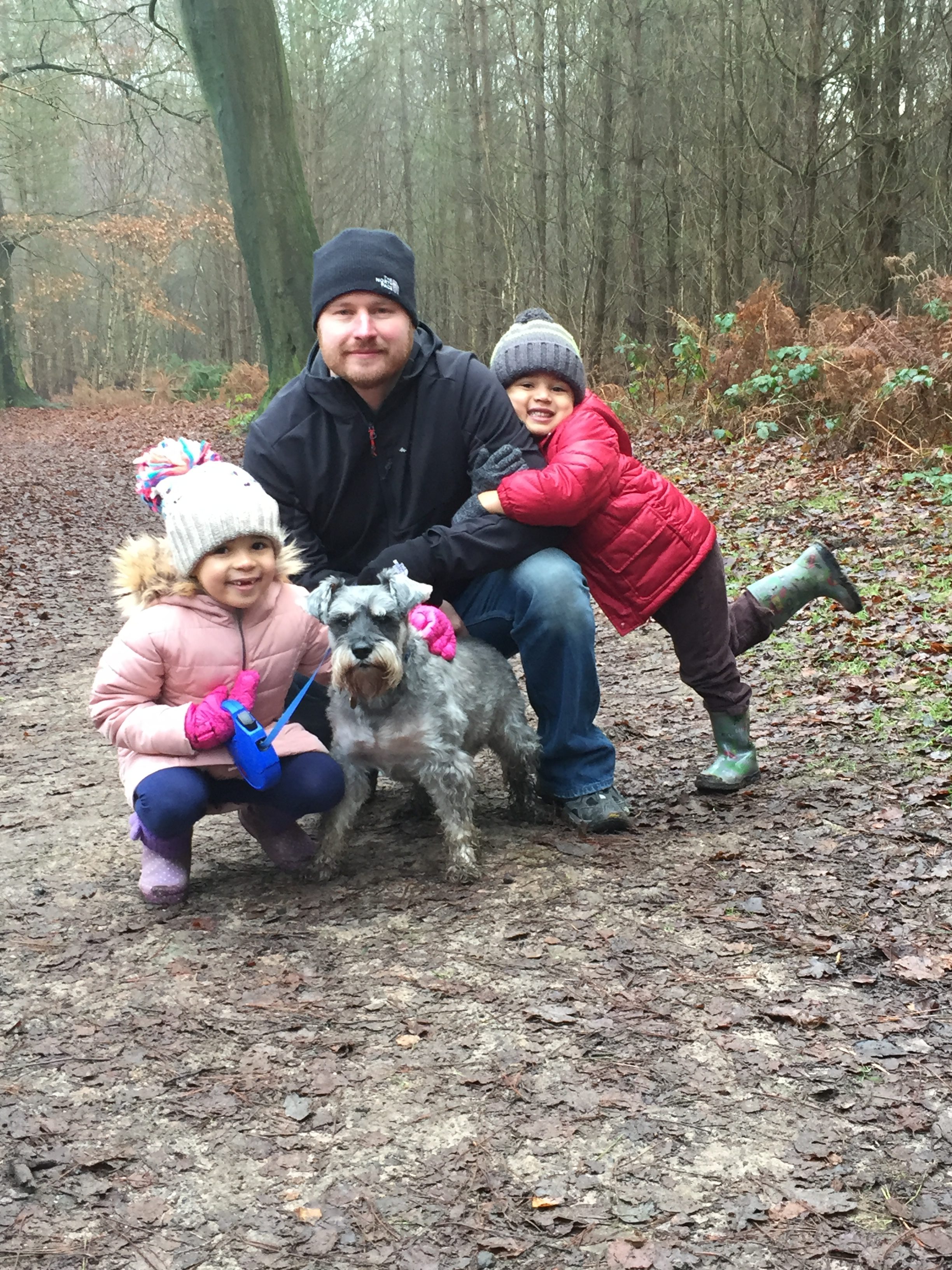
Bertie! Bertie  is a handsome Labrador Retriever who was  found to be bleeding from a mass in his spleen. This would require surgical removal of the entire spleen and further testing on the mass. Bertie did very well with the surgery but unfortunately  the mass in the spleen was diagnosed as a malignant tumour, a haemagiosarcoma. Sadly, case studies have shown that the tumour is highly likely to have spread by the time of first presentation and diagnosis. Removal of the bleeding tumour is life saving in itself and removal of the primary tumour helps. However, due to the high risk of spread, oral chemotherapy is required to extend survival time as best as we can. Given Bertie was otherwise so happy and well at home his owner decided to go down this route.  Bertie is on an oral chemotherapy drug at home and will continue to take this ongoing. The drug has the potential to cause inflammation in the bladder so his urine is regularly tested for the presence of blood-his dedicated owner actually does this bit! Bertie’s spleen was removed in March 2017 and he still doing very well, he too is none the wiser that he is on chemotherapy!

We hope an insight in to chemotherapy has been interesting and we would like to thank all of our featured pets and clients for letting us share their stories.

Posted in Brave Pets, News

Remember Remember Your Pets This November

Posted on 19th October, 2017 by Richard Hewitt20th October, 2017

With Bonfire Night fast approaching it is worthwhile thinking about how our pets cope with fireworks and other loud noises. Fireworks are no longer limited to Bonfire Night, the firework season now lasts well past Christmas and into the New Year, so it is important to think now about how this impacts our pets.

Loud, sharp noises such as thunderstorms, gunshots and fireworks which occur without warning can be incredibly traumatic for some pets. They do not understand where the sound comes from, or that it can’t harm them, and many develop phobias of sound or being outside in the dark. This can progress over time to more severe reactions, or reacting to other loud noises such as traffic. You might be able to tell if your pet is afraid if they display any of these signs:

  • Hiding
  • Cowering or shaking
  • Pacing
  • Panting
  • Barking excessively
  • Clinging to their owner
  • Trying to run away
  • Soiling the house

If your pet displayed any of these signs last year, now is an excellent time to prepare for the firework season. The following tips will help make your pet feel safe and secure, and will hopefully reduce their signs of fear.


Safe Haven: Provide your pet with a den or secluded area where they can hide, ideally somewhere quiet and away from windows. Make it safe and secure by adding blankets, cover all the sides except one and put their toys, food and water in with them.

Stay Indoors: keep cats indoors and don’t take dogs out for walks whilst fireworks are being let off. Being outside at this time can be very distressing for our pets, and may make their phobias worse. Closing windows and doors will reduce the noise and prevent pets from bolting.

Microchipping: Loud noises may cause fearful pets to bolt. In the event that they are lost it is much easier to reunite them with their owners if they are microchipped. Ensure your details are up-to-date with the microchip company.

Distractions: turn the tv or radio up louder to try and mask the noise and distract your pet with new toys or a chew.

Give your pet confidence: although we naturally want to comfort our pets when they are afraid, this will actually tells them that there is something to be afraid of and may make things worse. Our pets are very sensitive to our emotions so if we are confident and relaxed it tells our pets to be confident and that there is nothing unusual to be afraid of. It can be very frustrating if fearful pets are destructive or soil in the house, but remember never to scold or punish a fearful pet, it will make their phobia worse.

Pheromones: Synthetic pheromones can help relax and reassure worried pets. These are plug in diffusers which release a specific scent that only the dog or cat can smell and tells them they are safe. They are also available in collars (dogs only) and sprays.

Food Supplements: these natural, non-medicated supplements can work very well in some pets, encouraging them to relax. 

In the event that the above tips are not enough to relax your pet and prevent their fearful behaviour, veterinary advice should be sought. It may be that anti-anxiety medication is required and can be prescribed in appropriate patients. In the past, sedatives were prescribed to help pets but this is no longer recommended as it does not remove their fear. Sedatives prevent anxious pets from going to their safe haven and expressing normal behaviour, and can lead to more dangerous fearful behaviour such as biting.


Looking forwards

The best method to reduce noise phobias longer term is by using desensitisation. CDs which play a range of sounds are available to be played in the home, initially very quietly until the dog becomes used to the noise. The volume can be gradually increased, with praise and treats to reinforce that the noise is nothing to be worried about. We recommend also using these to socialise puppies and prevent noise phobias developing.

Please feel free to call the surgery on 01606 880890 for more information, or to discuss your pet specifically.


Posted in News

Mushroom Toxicities

Posted on 3rd October, 2017 by Richard Hewitt3rd October, 2017

Mushroom’s and toadstools are the fruit bodies of fungi. They develop throughout the Autumn in warm and wet weather, which we have had ample of over the last few weeks!  When ingested, mushrooms and toadstools have the potential to be toxic and can cause a variety of different problems dependent on the type of mushroom they have eaten.

Some mushrooms cause relatively little effect , some induce gastrointestinal signs such as vomiting and diarrhoea whilst others can have behavioural, neurological or hallucinogenic effects. Unfortunately, some can be extremely toxic resulting in a delayed development of kidney and liver failure. 

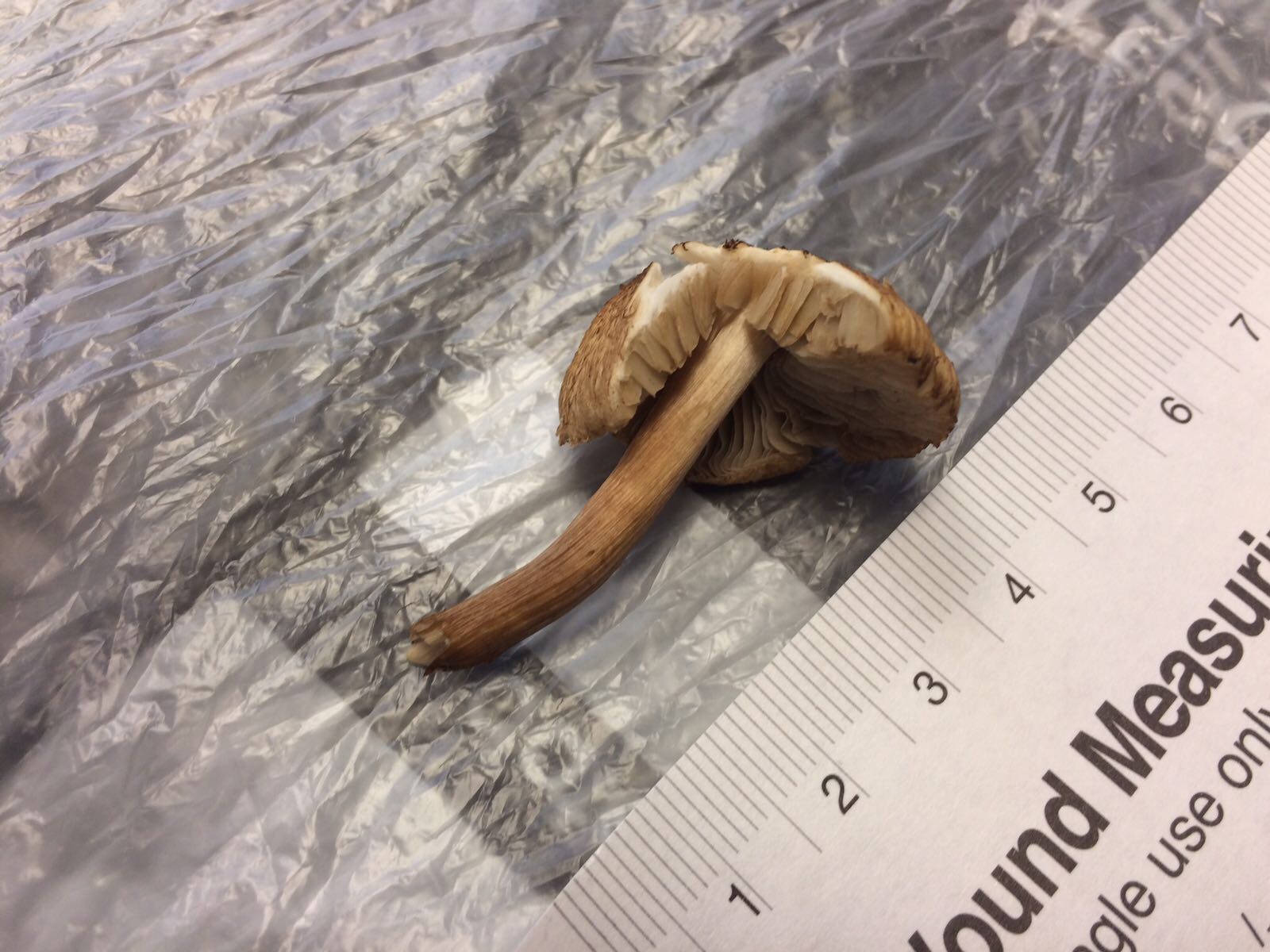
As a result, it is really important to find out which mushroom your pet has eaten. This helps us to determine how serious the potential consequences might be and therefore how best to target our treatment.

The problem we face is that there are thousands of different types of mushroom and toadstool and it can be difficult to identify the specific species. Often expert knowledge is required to do this and it is important to provide us with as much information as possible.


Here are some factors which can help us to identify the type of fungus:

  • What type of habitat was the fungus  growing in, what was it growing on and what type of tree was it growing near? .
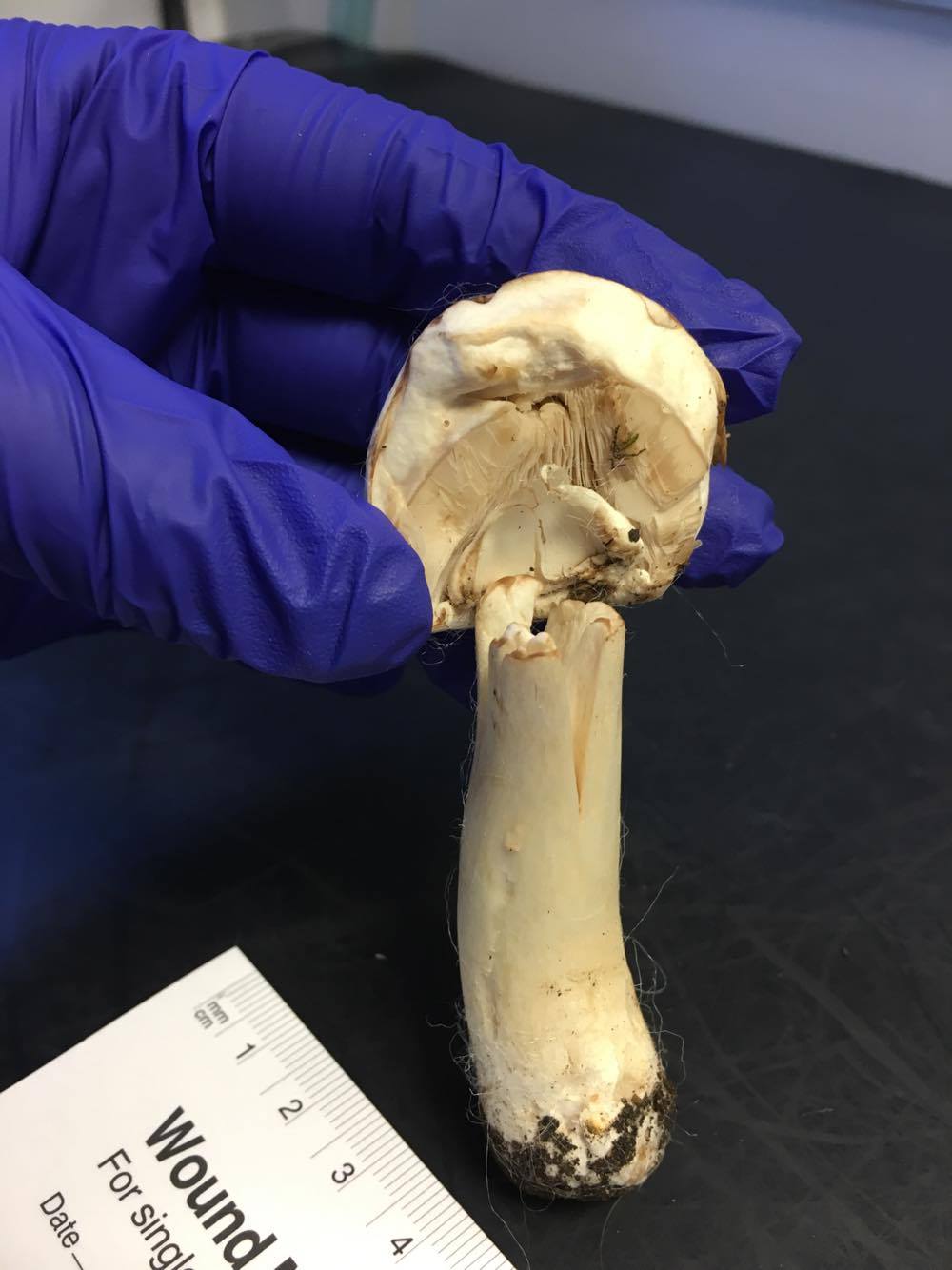
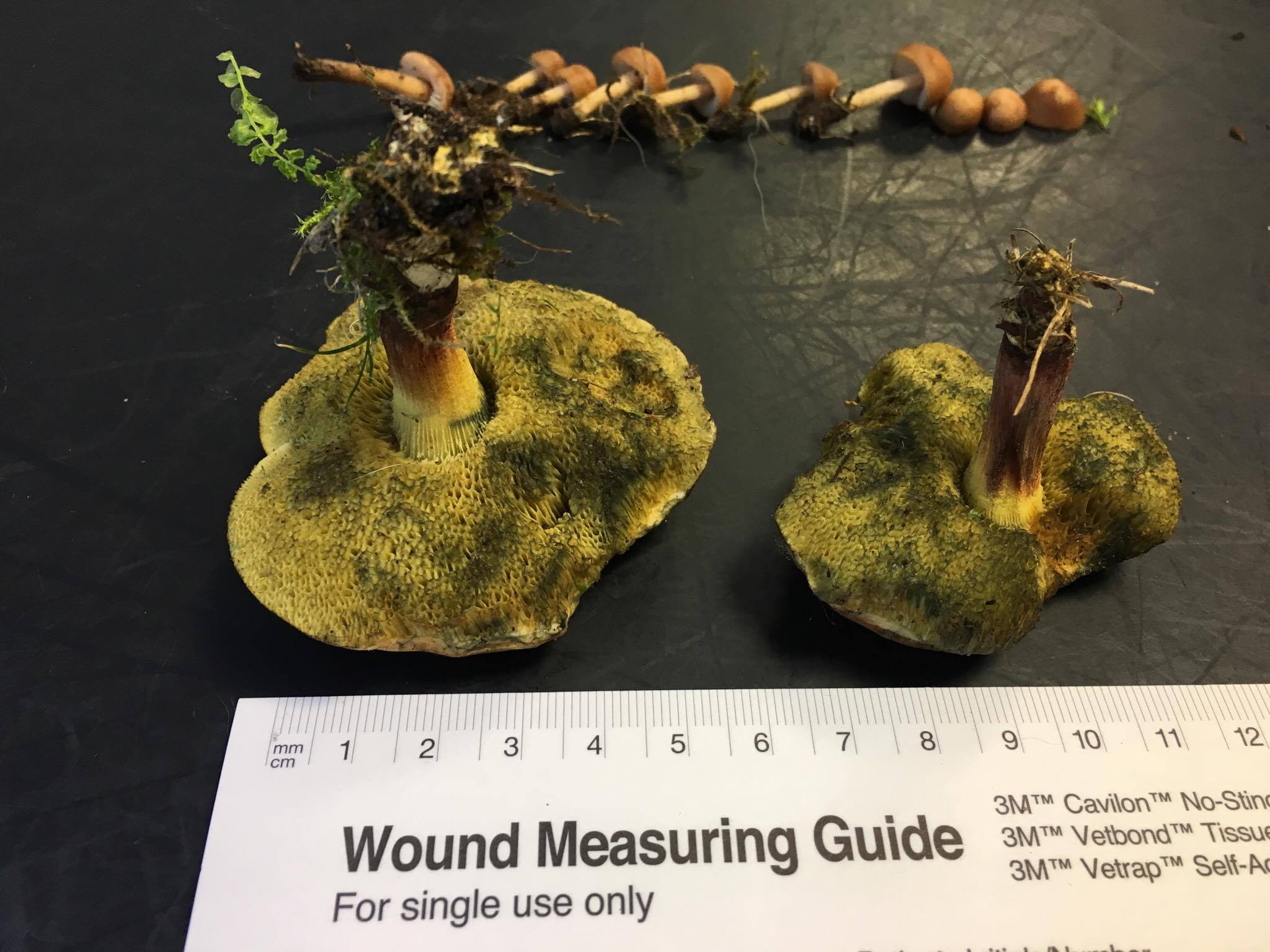
  • The size, shape and underside features of the mushroom
  • The consistency and texture of the flesh 

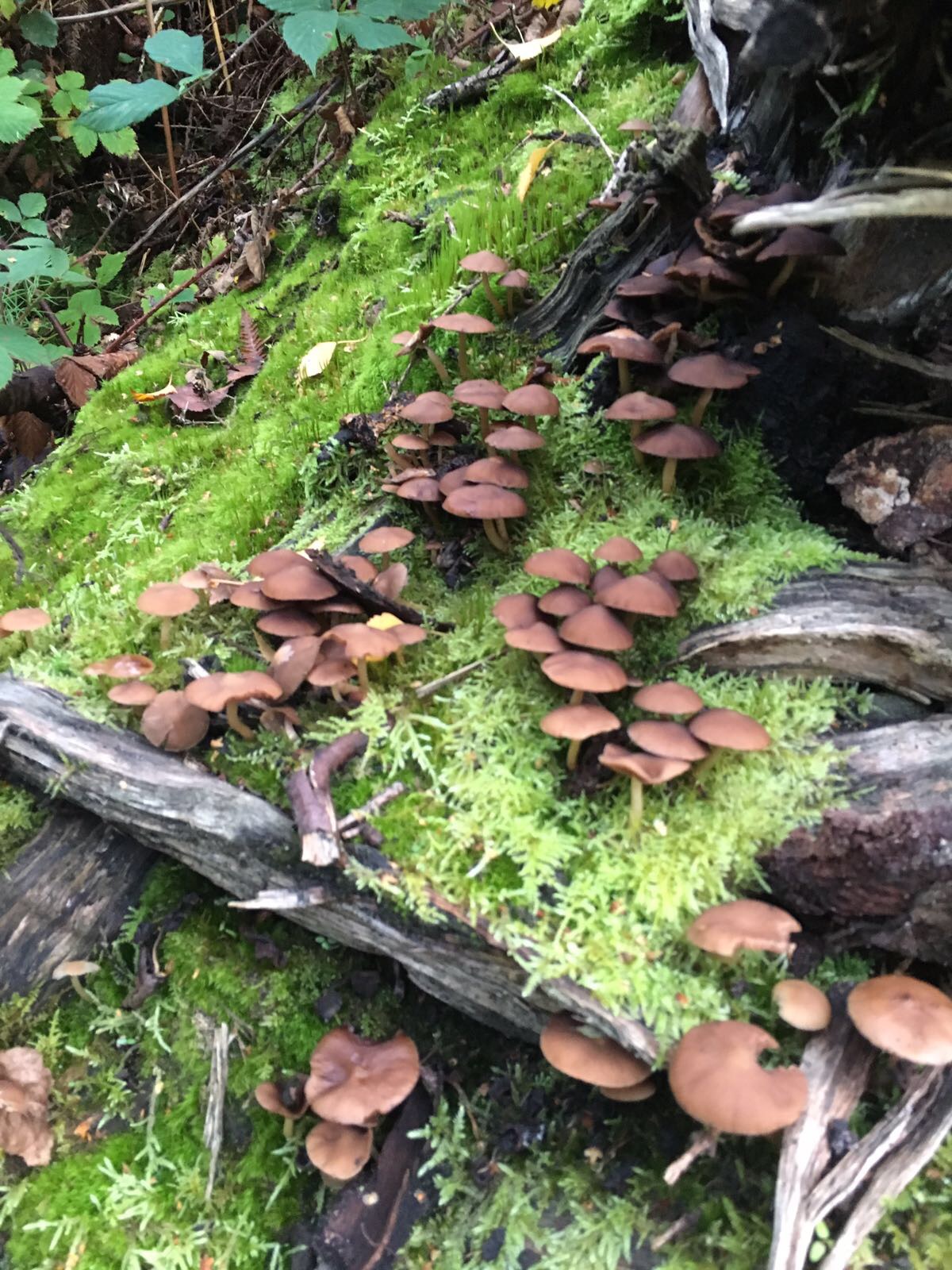
Therefore, to help provide more information it is extremely helpful to take pictures of the mushroom in-situ and close up. Once this has been done digging up a sample and taking it with you to the vets is highly recommended. If your pet has eaten the only mushroom present then remnants in their vomit might also be helpful. Please handle mushrooms carefully and wash hands after touching.  


Mushroom Toxicities at Hollybank

Recently we have had a number of inquisitive pets who decided to sample some mushrooms. For each pet the type of mushroom(s) were identified with the help of a mycologist.  


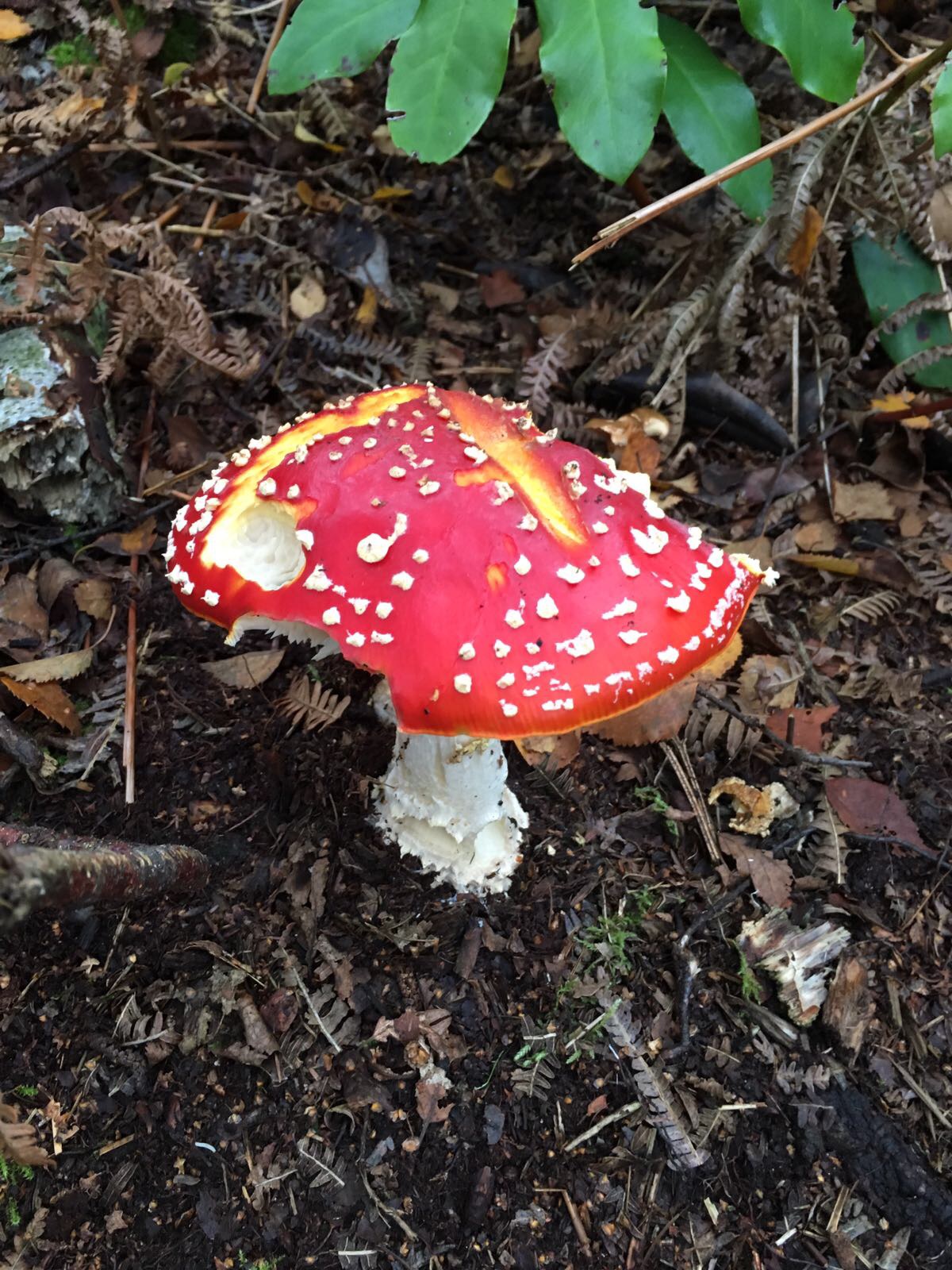
Oscar is a beautiful Ragdoll who decided to bring home a mushroom following his daily expeditions, of which, of course he had sampled! Oscar appeared fine but within the next few hours began to excessively salivate and froth at the mouth. On presentation with us he was distressed and his breathing was faster than it should be. The mushroom Oscar had eaten was identified as one that causes gastrointestinal signs and is commonly referred to as ‘The Sickener’. Oscar’s signs were associated with nausea and he responded really well to an anti-sickness injection and TLC. Oscar’s experience didn’t deter him from eating another of these mushrooms a few weeks later! Unfortunately, mushrooms can come up very quickly and due to the free roaming nature of cats it can be very difficult to stop them eating things they shouldn’t.


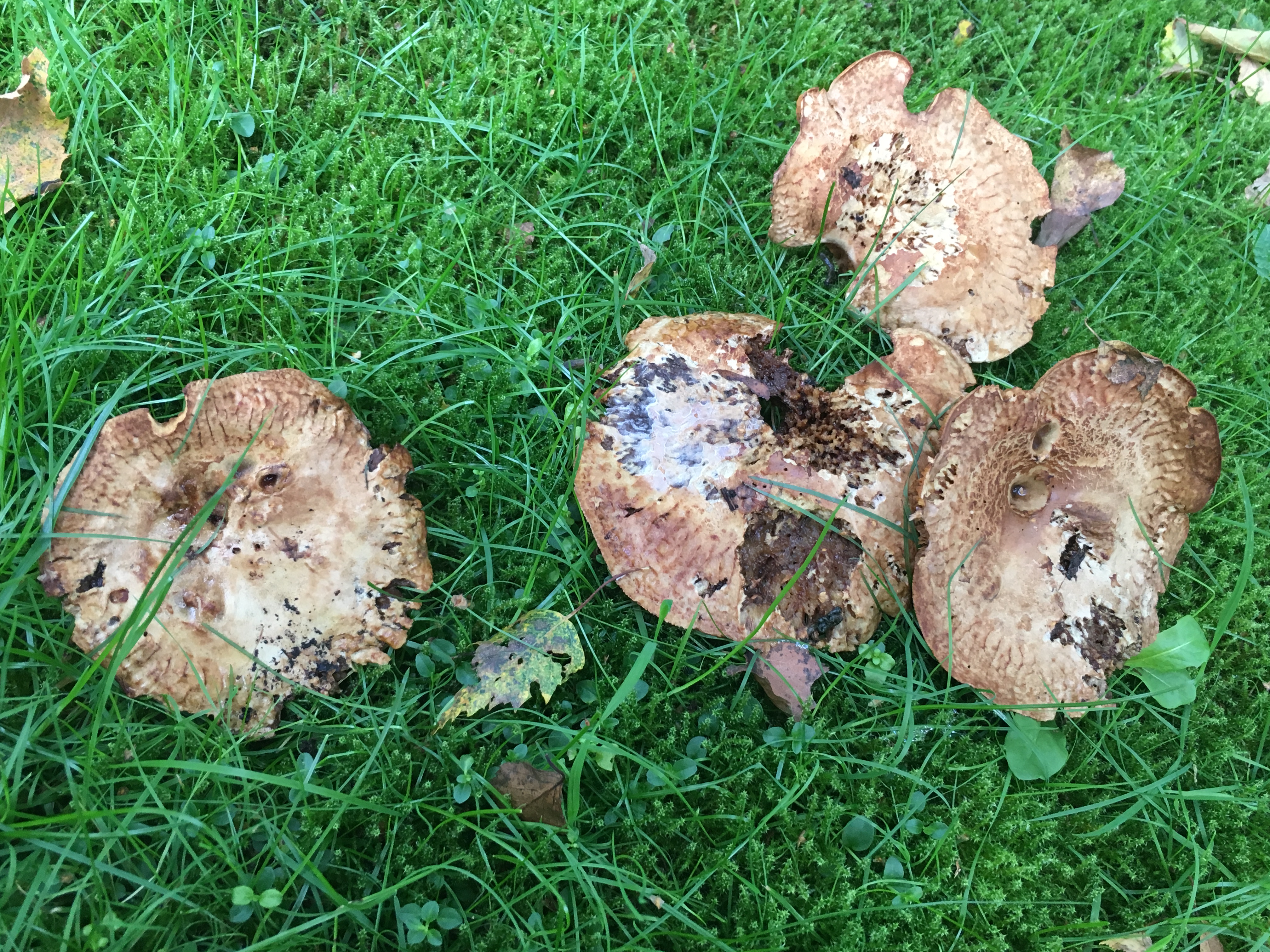
Archie is a lovely English Shepherd dog who came to us at Hollybank due to intermittent vomiting. Due to the warm weather there had been mushrooms growing in the garden and there was the possibility that he had eaten them. There were a number of different types; luckily two were identified as non toxic and one was associated with low levels of nausea. The mushroom therefore may or may not have been related to Archie’s clinical signs, being a one year old inquisitive dog he could have licked, chewed or eaten anything! However, it is always important to check. Archie recovered well with symptomatic treatment and despite the sudden flourish of mushrooms he and his owner are managing to avoid them.


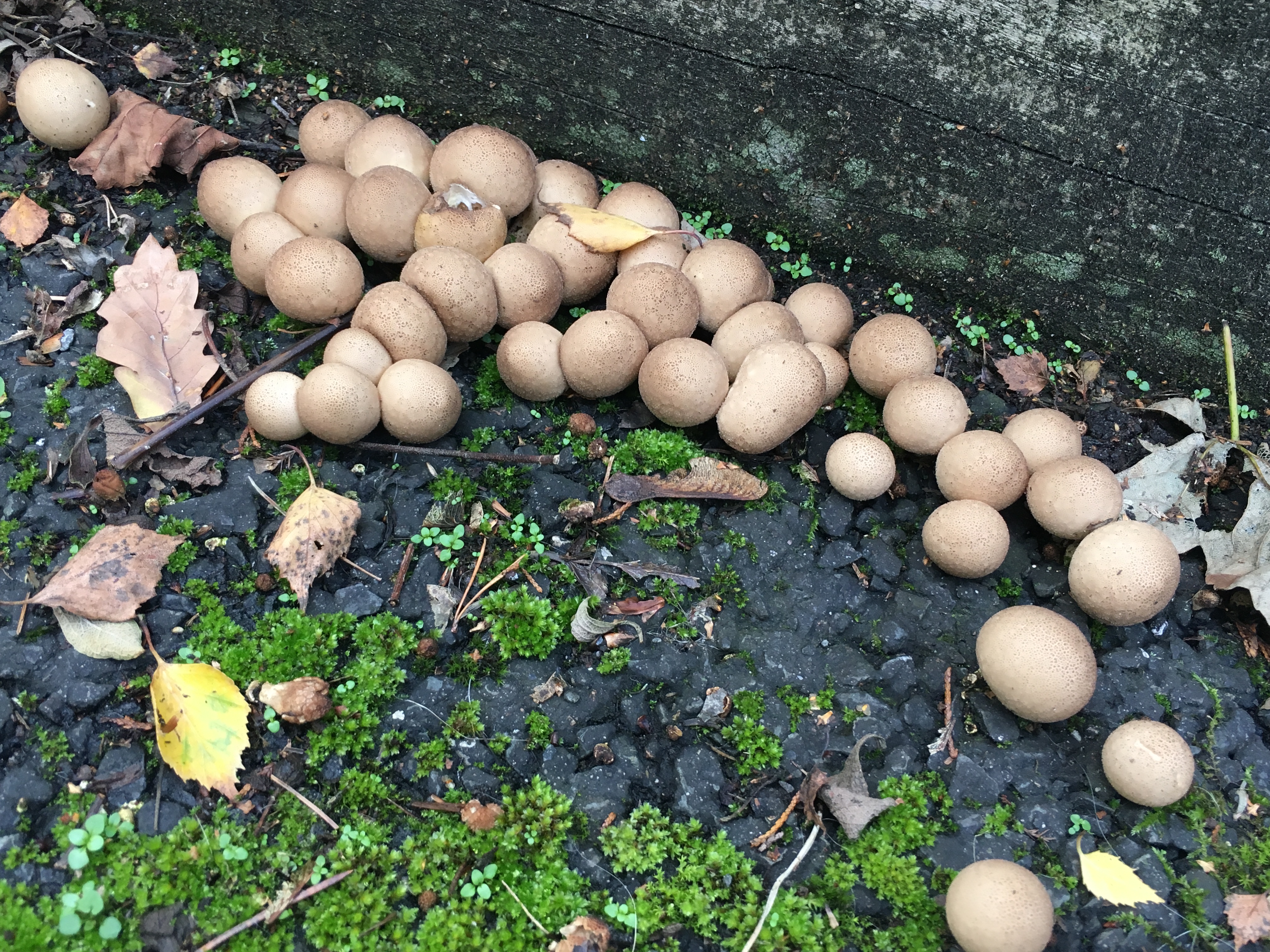
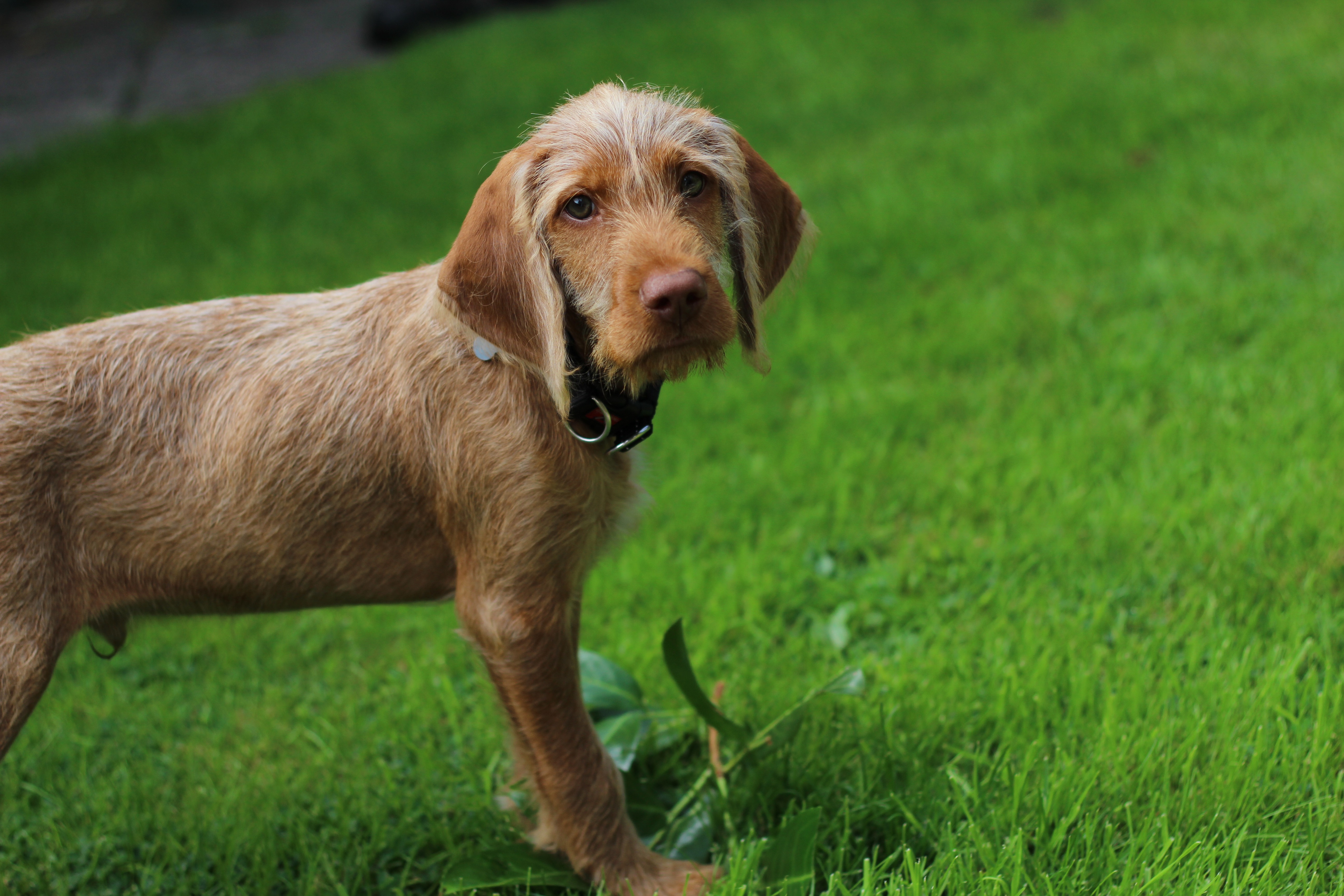
Otto is a gorgeous Hungarian Vizsla puppy who of course at his age is intrigued by everything and anything! Otto quickly swallowed a mushroom from the garden before his owners were able to get it out of his mouth! He began vomiting not long after and on presentation to Hollybank had also developed diarrhoea and abdominal pain. 

The mushroom Otto had eaten was known to cause vomiting and diarrhoea however could also be more serious. In dogs, the toxin can affect cells in nerves and in muscles. This meant it had the potential to cause muscle tremors, a dangerously low heart rate and in some cases, be fatal. A drug called Atropine to help counteract the slow heart rate was recommended. Otto was a very lucky puppy and never progressed to show any of these symptoms. We managed his gastrointestinal signs with supportive treatment and he soon felt much better. Otto is doing really well after his mushroom escapades but is still managing to keep his owners busy.


**Please do not try to match mushrooms to the ones shown in these case reports, an expert has helped in the identification of each species and subtle changes and features will separate each type.

If your pet has eaten a mushroom then please follow the above advice and phone us on 01606 880890


Posted in Brave Pets, News

Post navigation

← Older posts
Newer posts →

Contact Us

Hollybank Veterinary Hospital
584 Chester Road Sandiway
Northwich
CW8 2DX

01606 880890


Hollybank Vets Winnington
39 Walker Road Winnington
Northwich
CW8 4UD

01606 717969

info@hollybankvets.co.uk

Opening Hours

Consultation by appointment only

Sandiway

Monday - Friday

8:00am - 8:00pm

Saturday & Sunday

8:00am - 5:00pm

Winnington

Monday - Friday

8:00am - 7:30pm

small_animal_hospital Print CFC-Gold-logo-for-clinics-2020-Smaller
We are an RCVS Small Animal Hospital, an ISFM Gold Cat Friendly Practice and a RWAF Rabbit Friendly Practice!
Introducing our 'Cat Only Clinics' at Winnington! Introducing our 'Cat Only Clinics' at Winnington! We understand visiting the vets can be stressful so head over to our website to learn why cat only consulting hours are helpful and what times we have available 🐾🐈🩺😼. www.hollybankvets.co.uk
That’s a wrap on Veterinary Nursing Awareness Mont That’s a wrap on Veterinary Nursing Awareness Month (VNAM) 2023!

We have come to the end of VNAM for this year, we hope you have found it interesting hearing from our nurses about what their jobs involve and how they feel empowered, from starting out as students, to having years of experience. Even though VNAM is over our nurses are still working hard behind the scenes with the rest of the Hollybank team to ensure your pets receive the best care possible, we are very proud of each of our nurses and what they bring to the team.

Keep an eye on our Instagram and Facebook for further updates and helpful pet care information.

#VNAM2023 #WhatVNsDo #EmpowerOurVNs #hollybankvets #sandiway #winnington
Meet Holly! (with Diddy the cutie) 😻 Holly joined Meet Holly! (with Diddy the cutie) 😻
Holly joined the Hollybank nursing team in February this year after graduating in 2022 and starting her RVN career at a feline only practice. She has a passion for feline nursing and her favourite roles as a nurse include inpatient care and nurse clinics. 😻🐾🐶 
Head to our website to read more about Holly ➡️ (link in bio) 
#VNAM2023 #WhatVNsDo #EmpowerOurVNs #hollybankvets #sandiway #winnington
Meet Katie and her gorgeous gang! 👋 She joined the Meet Katie and her gorgeous gang! 👋 She joined the Hollybank nursing team in August last year as a new grad RVN 🎓🩺 We are very proud of how our new grad nurses have developed their skills since joining the team, especially after a difficult education period throughout lockdown. Head to our website to find out more about Katie's journey to becoming an RVN and why she loves being a veterinary nurse! 😻🐶🐾 (Link in bio) 
#VNAM2023 #WhatVNsDo #EmpowerOurVNs #hollybankvets #sandiway #winnington
Meet Lucy! (and cuddly Caven) 🐶 Over the next week Meet Lucy! (and cuddly Caven) 🐶
Over the next week we'll be introducing you to some of the newer faces that have joined our nursing team! 
Lucy has been nursing for 10 years and joined Hollybank in April this year. Her passion is medical nursing and nutrition and she loves caring for inpatients. Lucy is looking forward to meeting you all and your lovely pets! 🐶🐾😺 
Head to our website (link in bio) to read more about Lucy! 
#VNAM2023 #WhatVNsDo #EmpowerOurVNs #hollybankvets #sandiway #winnington
Next up we're hearing from Becky, she carried out Next up we're hearing from Becky, she carried out her sandwich year placement with us as a student nurse and has returned as a qualified RVN! 🩺 🎓 Head to our website to read all about what she's enjoying and the challenges she's faced as a new grad vet nurse! (Link in bio) 😺🐾🐶
@thebvnaltd #VNAM2023 #WhatVNsDo #EmpowerOurVNs #hollybankvets #sandiway #winnington
This week we are hearing from our Head Nurse Cat! This week we are hearing from our Head Nurse Cat! 😺 Head to our website to see what she has to say about how teaching and mentoring members of our team (particularly our SVNs) is certainly an empowering part of a nurses role. 
www.hollybankvets.co.uk (link in bio)
@thebvnaltd #VNAM2023 #WhatVNsDo #EmpowerOurVNs #hollybankvets #sandiway #winnington
We are starting VNAM this month by meeting our won We are starting VNAM this month by meeting our wonderful student veterinary nurses. In photo order, Kiera, Jess and Katie 🩺🩺 Please visit our website to learn about their journeys to becoming fully fledged registered veterinary nurses.🐾🐾 www.hollybankvets.co.uk
Each May we celebrate Veterinary Nursing Awareness Each May we celebrate Veterinary Nursing Awareness Month (VNAM), which was started by the British Veterinary Nursing Association (BVNA). The purpose of VNAM is to spread the word to the veterinary profession and pet owners about the importance of the role of the veterinary nurse, and the provision of responsible pet care to the general public. This year the theme is ‘empowerment’ to raise awareness of empowerment within the veterinary nursing profession, and the myriad of jobs nurses have within the veterinary team and wider veterinary profession. 

Here at Hollybank we have 9 Registered Veterinary Nurses (RVNs) and 5 Student Veterinary Nurses (SVNs) who work across both our Sandiway and Winnington practices. Nurses are very much involved in the team effort to provide the best possible care for your pets. A lot of the nurse's roles are behind the scenes, so stay tuned this month to hear from all our nurses about what their jobs involve, what they enjoy about it and how they feel empowered.

#VNAM2023 #WhatVNsDo #EmpowerOurVNs
#hollybankvets #sandiway #winnington
All rabbits can be at risk of flystrike, however r All rabbits can be at risk of flystrike, however rabbits with obesity, open wounds or dirty bottoms (usually due to poor diets) are at very high risk of flystrike. 
A rabbit’s diet should consist of 5% pellets, 85% hay, and 10% greens. Therefore, prevention is better than cure. 
Check your rabbits bottom at least once every day, and if there is any urine or faeces, clean and dry 
the area. Keep the rabbit’s environment clean and dry so that flies aren’t attracted. It is important to 
clean your rabbits’ enclosures regularly especially in summer months to prevent the build up of 
urine which can attract flies. If your rabbit is producing unusually wet faeces, it is important to keep their bottoms clean and contact a vet for treatment, to prevent flystrike. 
** If you find your rabbit has maggots, this is an emergency, and you must get your rabbit seen by a vet immediately. Your rabbit may be in severe pain and shock and will require veterinary treatment.**
Prevention is the best strategy. 
A healthy bun has a healthy bum!
Preventing flystrike this summer.... Flystrike is Preventing flystrike this summer....
Flystrike is a painful condition caused by flies. Some species of fly (such as blue bottles and green
bottles) lay their eggs on rabbit fur, which then hatch into maggots. Maggots then rapidly mature, 
burrow under the skin and eat into the living flesh. 
Flystrike can develop very quickly, and can be fatal if it isn’t treated. 
As we roll into summer, flystrike becomes more likely to occur, as the fly population increases over summer. It is important to note however that flystrike can still occur at any time of the year, and indoor rabbits can still be affected.
Schedule 3 is an amendment of the Veterinary Surge Schedule 3 is an amendment of the Veterinary Surgeons Act of 2002. This amendment is important as it allows RVNs and SVNs to do more in practice following delegation from a veterinary surgeon. RVNs can can perform medical treatment or minor surgery (not entering a body cavity), SVNs can do this too but only under the direction of a vet and are supervised by a vet or RVN #VNAM2022 #whatvnsdo #bvna #vetnurselife
The more modern history of veterinary nursing. Reg The more modern history of veterinary nursing. Registered Veterinary Nurses are still striving to have the title of RVN protected.
1984 – RANA changed to VN as the legal protection statute expired and Veterinary Nurses were titled.
1991 – The Veterinary Surgeons Act Schedule 3 allows VNs to complete more tasks and the RCVS established the VN list. This set the standard for VN formal training. 
2002- The first BSc Hons veterinary nursing students graduate
2007 – The RCVS starts a register of veterinary nurses, marking a large step forward in regulation.
2010 – The RCVS council appoints its first Veterinary Nurse.
2012 – The new code of professional conduct includes a professional declaration for veterinary nurses.
May 2022 – Now, 61 years after first becoming professionally recognised, nurses play a key role in veterinary practice, from monitoring your pets under anaesthesia, to caring for them in hospital to running important laboratory tests and so much more. The profession has grown a lot through time and is sure to progress even more in the future.
#VNAM2022 #whatvnsdo #BVNA
May is Veterinary Nursing Awareness Month! Hannah May is Veterinary Nursing Awareness Month! Hannah one of our Student Veterinary Nurses has been researching the history of veterinary nursing.
1925 – Louis Sewell writes of ‘specifically trained canine nurses’ in a distemper hospital in Montpelier Place, Knightsbridge. 
1934 – F.W. Cousens (King George V’s veterinary surgeon) described “the first attempt at training women nurses for dogs in this or any other country” Cousens tried to get the title of ‘canine nurse’ recognised once a person had completed an examination and given a certificate of efficiency, “the council would not entertain the idea… the council will come round to my views, probably sooner than later”.
1947 – Phyllis Peake MRCVS writes in ‘Hobday’s Surgical Diseases of the dog and cat’ that good animal nurses need “a strong vocational call… self-sacrifice, tenderness and the ability to consider the patient as an individual… the certificate of registration could be a sign of competence”.
1961 – The RANA (Registered Animal Nursing Auxiliary) scheme was approved, making veterinary nursing an officially recognised profession. RANA was used as the titles ‘nurse’ and ‘veterinary’ were protected in law.
#VNAM2022 #whatvnsdo #BVNA
Did you know...our pets can suffer from high blood Did you know...our pets can suffer from high blood pressure too? Hypertension can occur for a number of reasons and will need to be monitored closely to prevent organ damage occuring as a result of untreated high blood pressure. This is easily done with blood pressure readers very similar to those doctors and nurses may use on us, to help us get the best readings we usually tend to have our patients in for a few hours to chill out. Here's Quinn being a very good boy for his readings.
Baby David was in for his annual health check and Baby David was in for his annual health check and booster vaccinations today! Michelle the vet checked him over and gave him a full bill of health and he was a true champ 🐶
Bruce is looking forward to the weekend! Swipe for Bruce is looking forward to the weekend! Swipe for jumping joy! ➡️➡️➡️
Each month we have a visiting CT scanner at our Wi Each month we have a visiting CT scanner at our Winnington practice. Merlin relaxed after his sedation medication, had his scan and had cuddles with Becky one of our student veterinary nurses on recovery.
Our patients have lots of monitoring forms to docu Our patients have lots of monitoring forms to document all the medications and nursing care they need
Nipper has been in to be castrated today and he's Nipper has been in to be castrated today and he's been having regular anaesthetic recovery checks with our nurses, they have been monitoring his pain levels, temperature, pulse and breathing rates. He's enjoyed having some cuddles too!
Follow on Instagram

Follow us

Hollybankvets on facebook Facebook

About Us

Hollybank Veterinary Centre is an approved member of the Royal College of Veterinary Surgeons Practice Standards Scheme.

As an accredited practice, we have passed an inspection carried out by an experienced veterinary surgeon focusing on a range of areas, including hygiene, health and safety, clinical governance and the facilities we provide.

Out of hours care

All out of hours emergencies will be directed to a dedicated night vet team at MiNightVet near Chester. This will mean that any overnight emergencies will be seen and treated by a team of vets and nurses who have chosen to dedicate themselves to emergency care and will be available all night.

Our exceptional inpatient care will remain the same. We will continue to be staffed 24/7 by our fabulous Registered Veterinary Nurses, supported by our vets, to provide complete care for any pet hospitalised overnight. Any patients treated at MiNightVet will be transferred back to Hollybank first thing in the morning or as soon as they are fit to travel.

Out of hours care

All out of hours emergencies will be directed to a dedicated night vet team at MiNightVet near Chester. This will mean that any overnight emergencies will be seen and treated by a team of vets and nurses who have chosen to dedicate themselves to emergency care and will be available all night.

Our exceptional inpatient care will remain the same. We will continue to be staffed 24/7 by our fabulous Registered Veterinary Nurses, supported by our vets, to provide complete care for any pet hospitalised overnight. Any patients treated at MiNightVet will be transferred back to Hollybank first thing in the morning or as soon as they are fit to travel.
copyright: Hollybank Veterinary Centre Ltd 2021 - Weaver Xtreme Theme Privacy Policy
↑
Content Protected Using Blog Protector By: PcDrome.