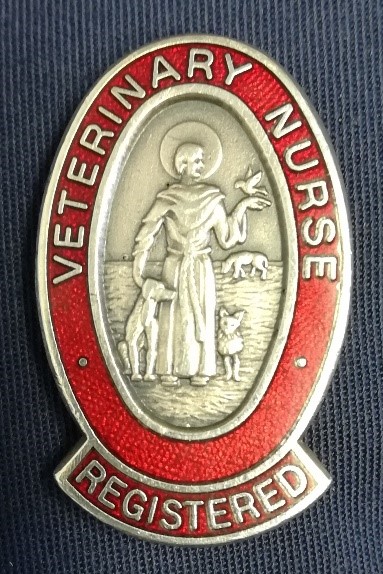
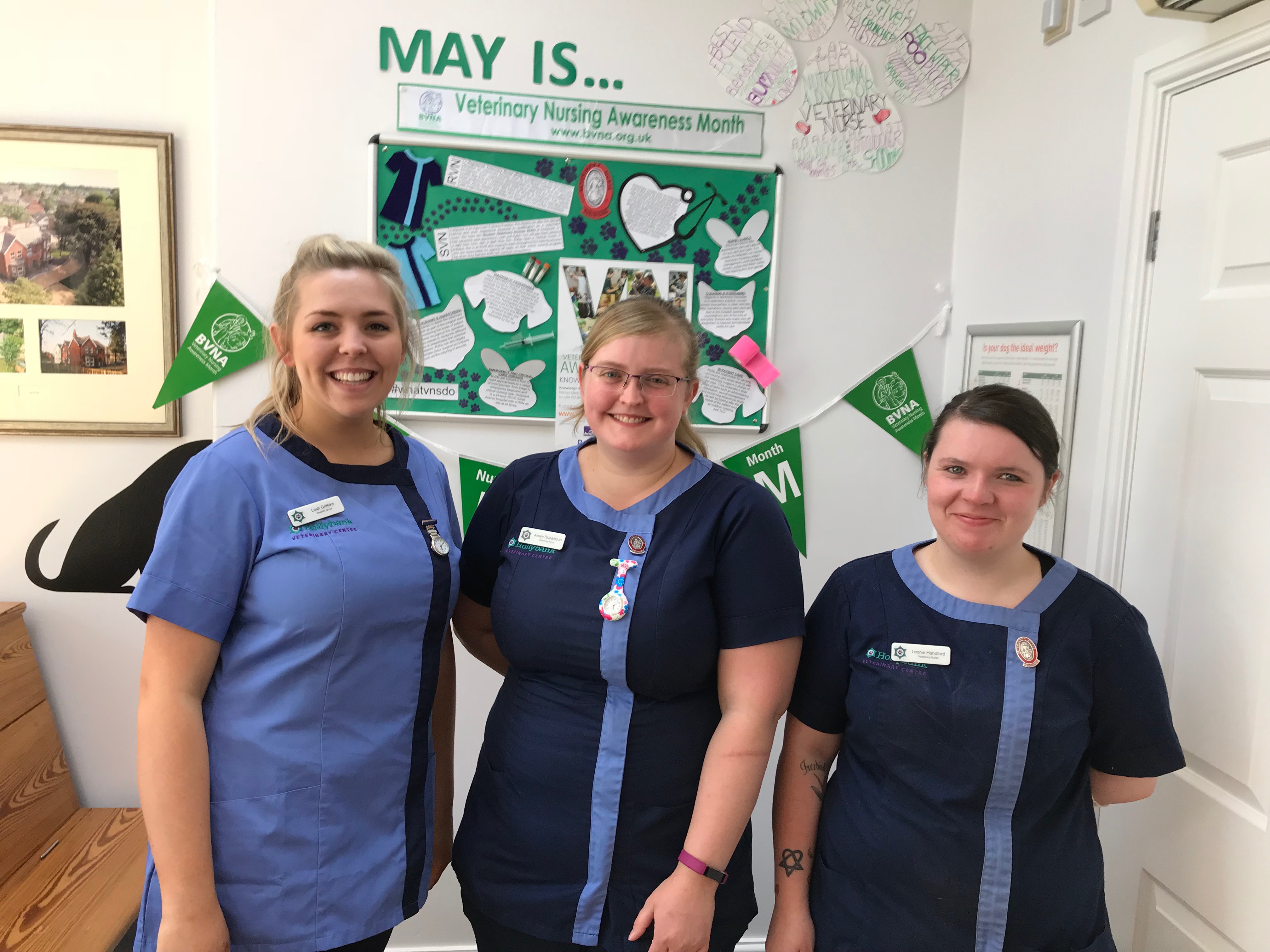
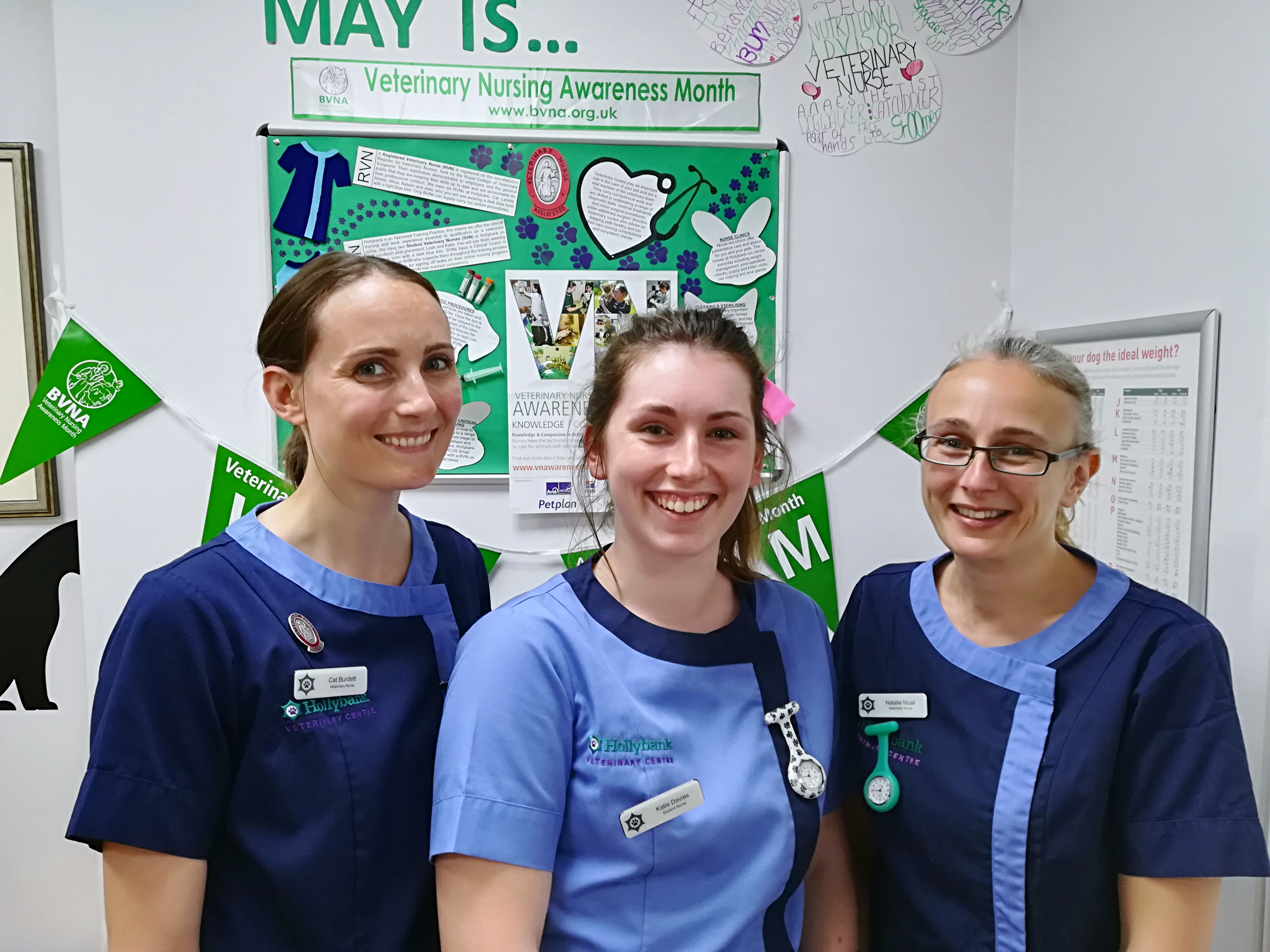
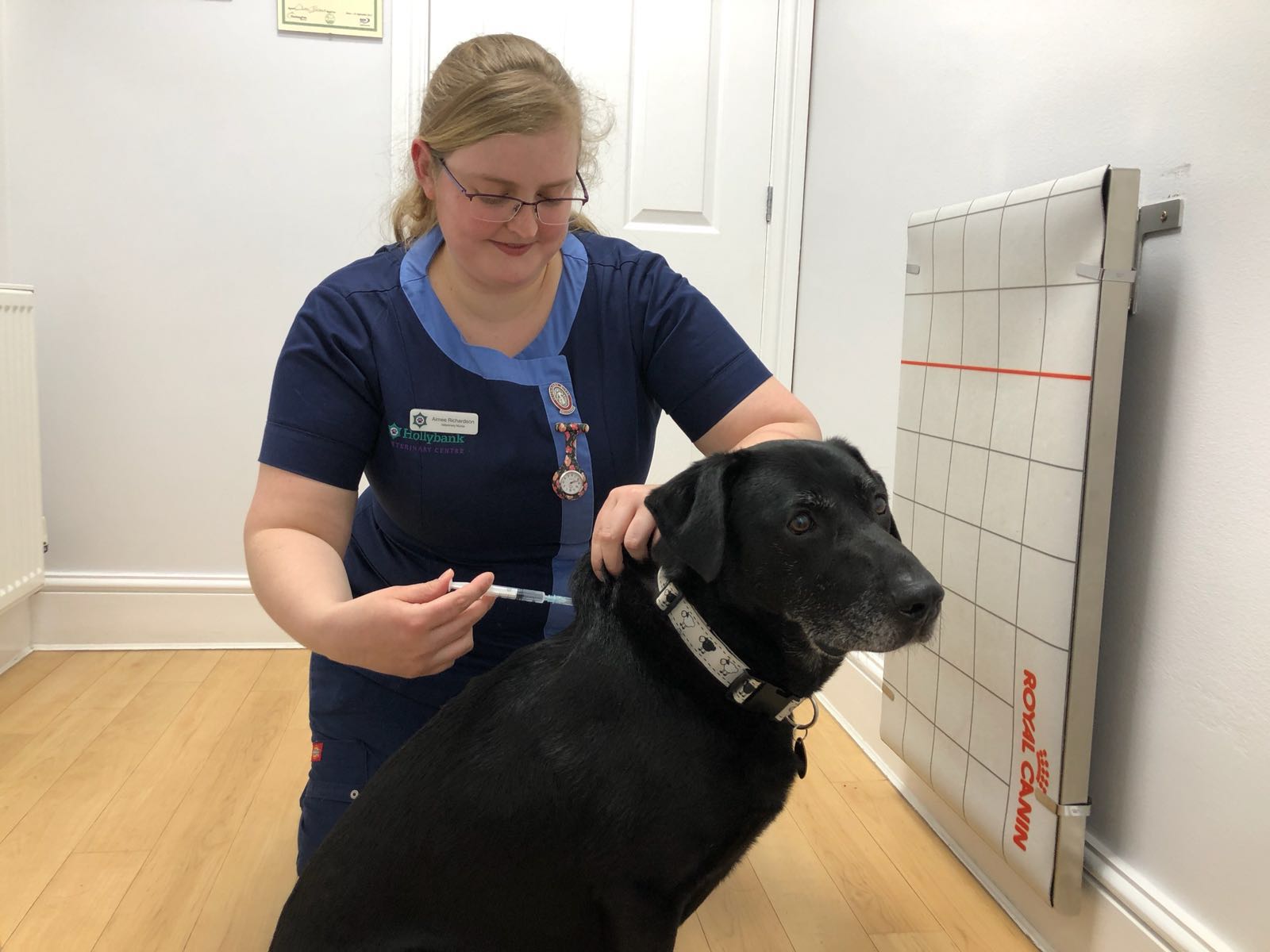
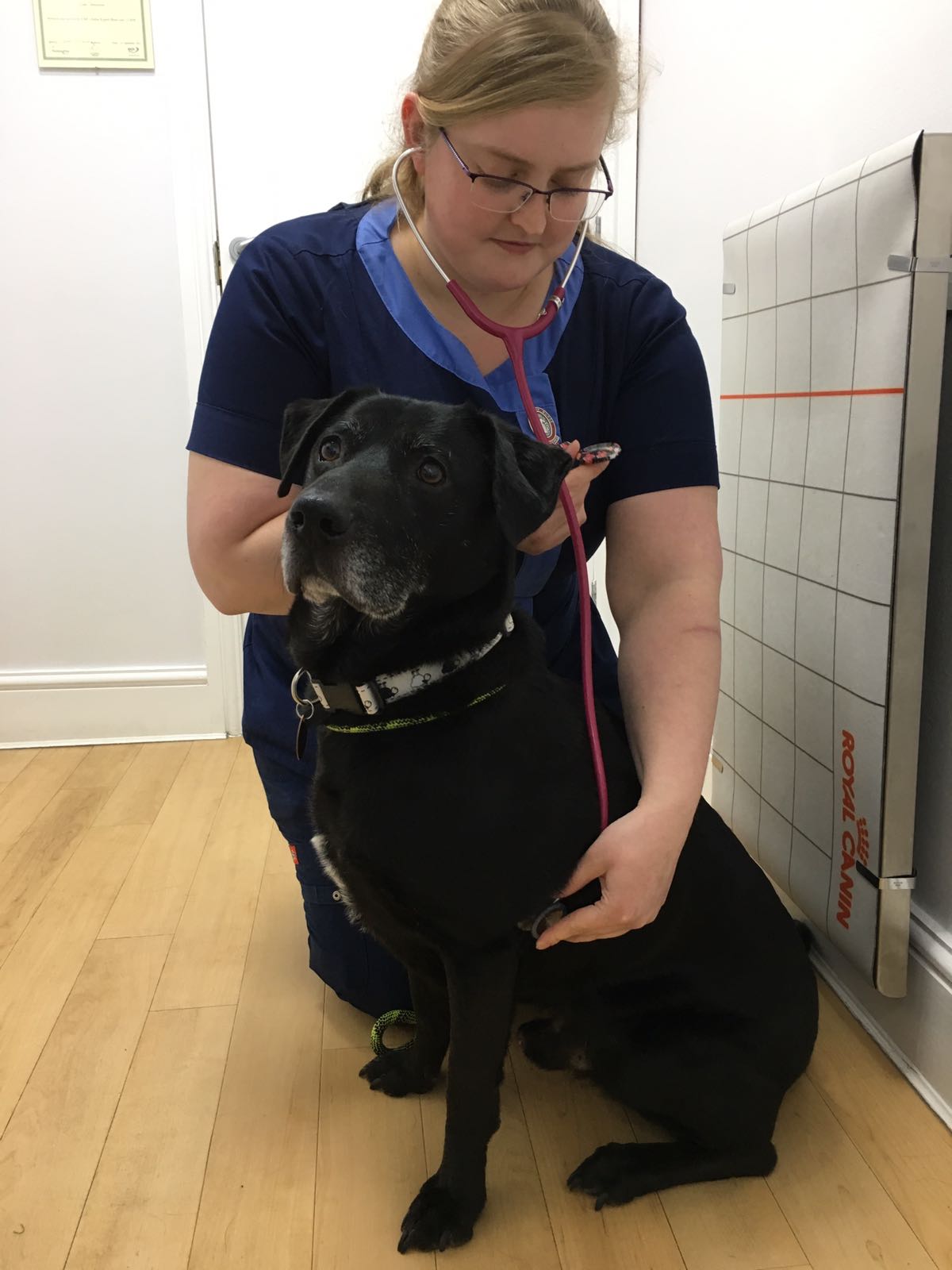
Animals can become unwell at any given moment and an important part of our job as a registered veterinary nurse is to look after them around the clock. At Hollybank, we are very lucky that our nurses provide all of our night time and weekend care as part of our their rotating rota; this means the nurses you meet in day are the ones that care for your pets out of normal working hours. Part of being a registered Animal Hospital is also having someone on the premises 24 hours.
The Night Nurse
Everyone one in six weeks we complete a week of night shifts. This starts at 7:30PM and finishes at 8:30AM the following morning. This means we are able to provide the highest standard of care to our patients overnight and are available on site for any emergency cases that might walk through the door.
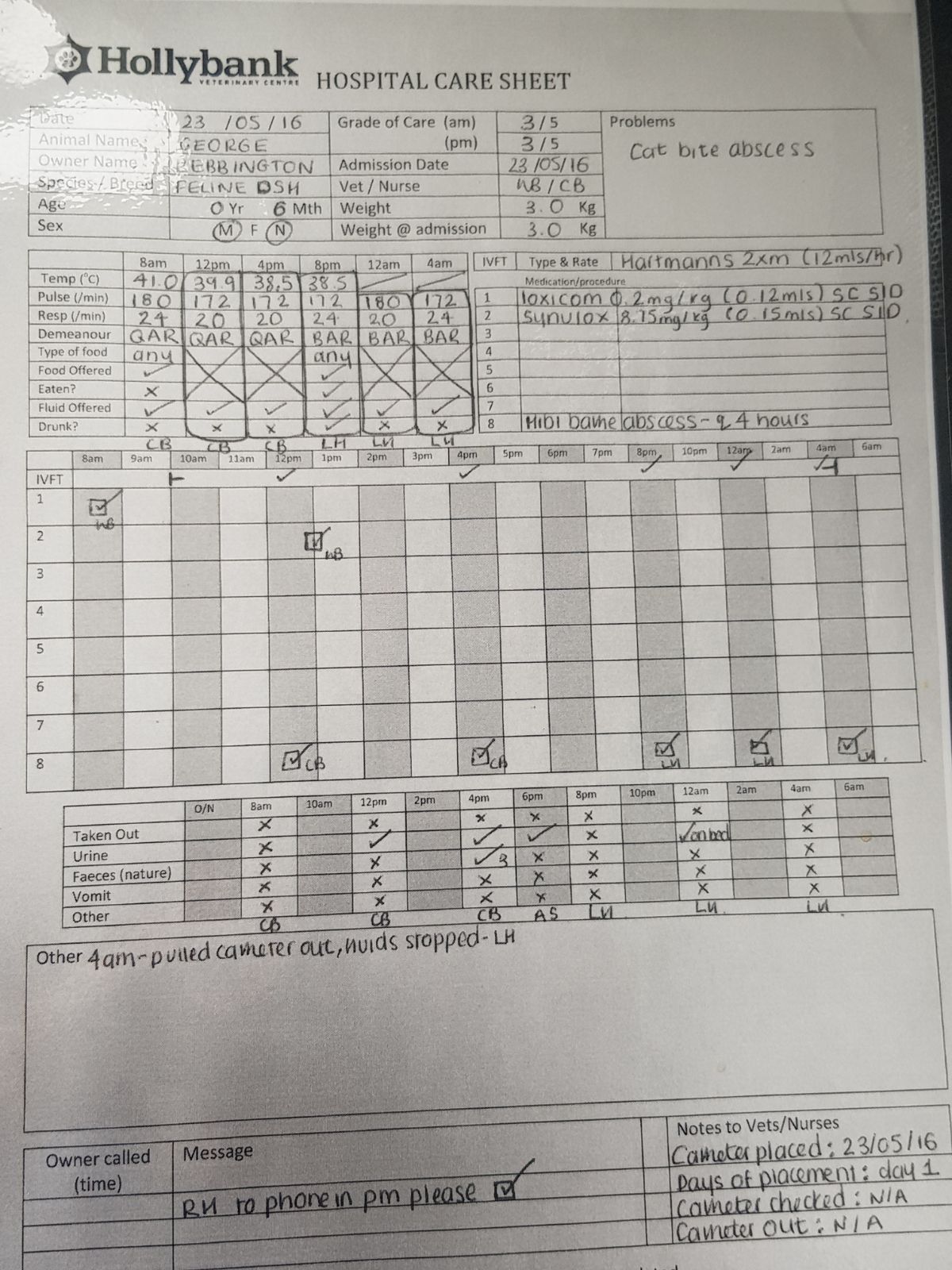
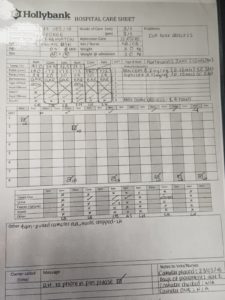 At the beginning of our shift we attend rounds, where we discuss the patients that we have hospitalised during the day. This allows us to gain a history of who the patient is, why they are in with us and what their needs are overnight. Most overnight patients are checked at least every four hours and more frequently if needed. We use a grade of care system on a case to case basis to determine how often each patient needs to be checked. Each patient is graded by the vet when they arrive at the practice and their own individual hospital care sheet is written out. The nurses then carry out these checks overnight and we will inform the vet if we have any concerns.
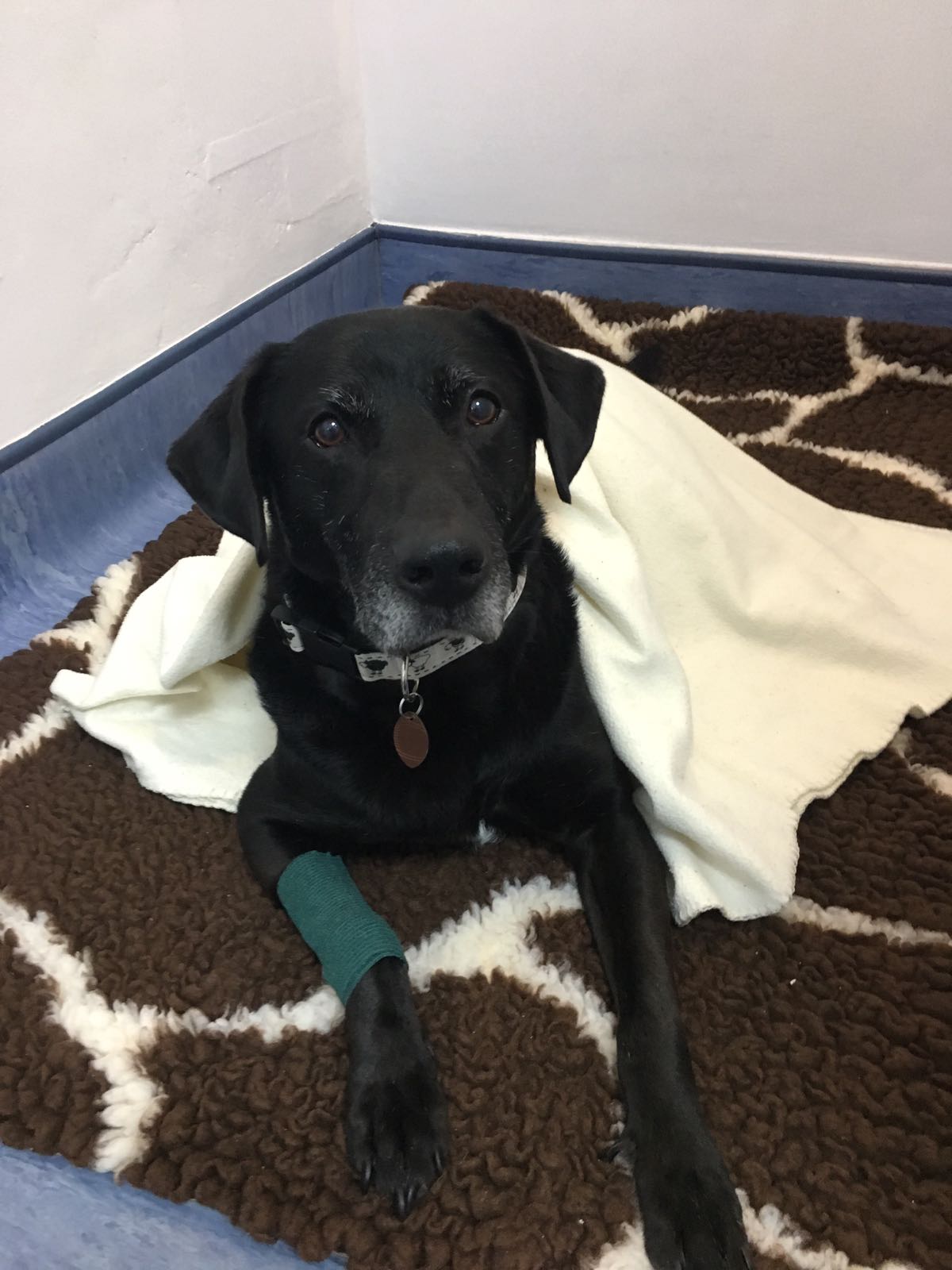
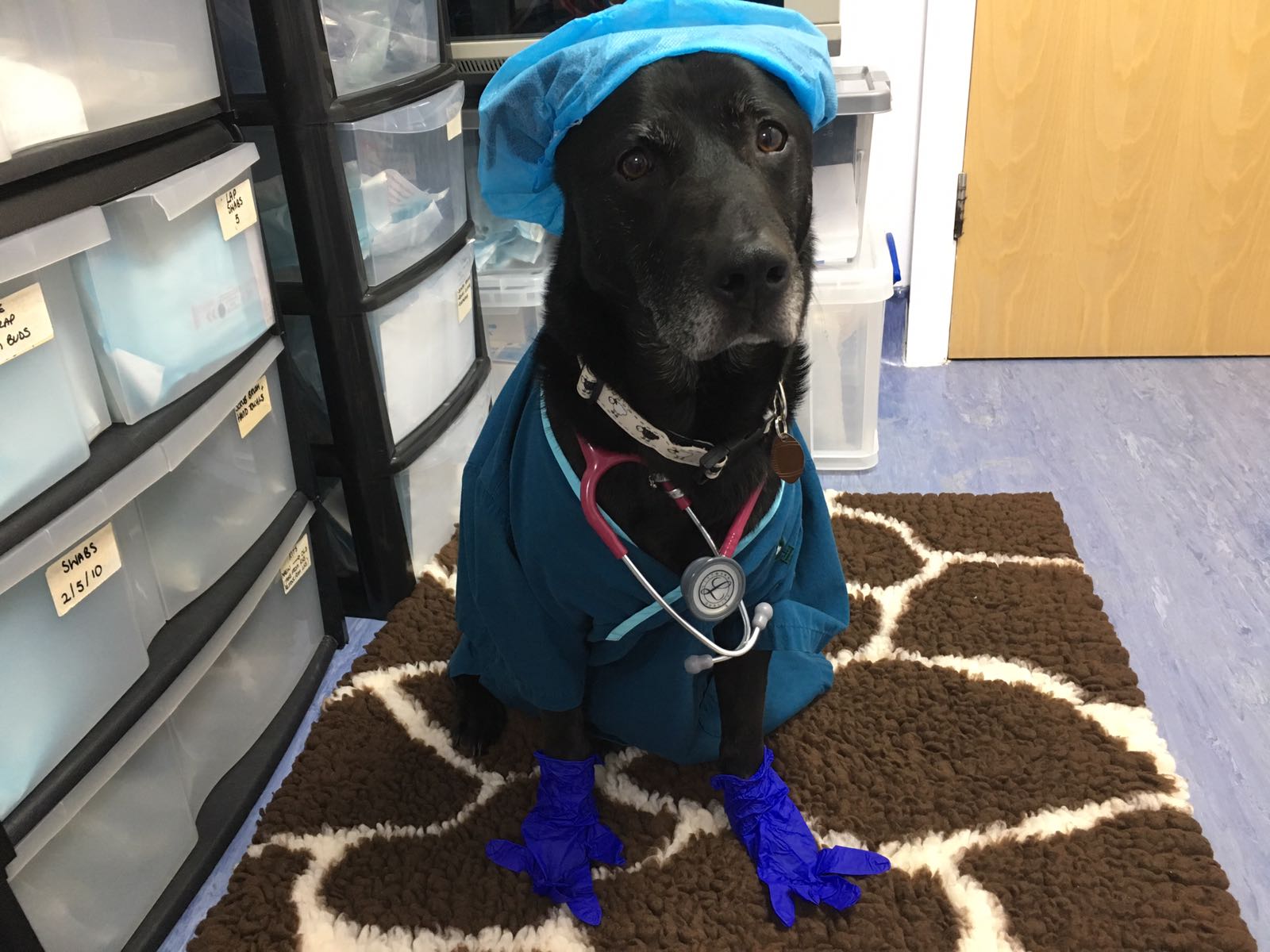
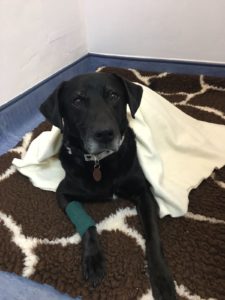
The patients are taken out to toilet regularly throughout the night and are given lots of TLC! Being on nights allows us to have one on one time with each patient and to build up a bond which is always a great part of our job as nurses. As well as our hospitalised patients we also treat any emergency patients that may come in. These can range from patients who are feeling a little bit under the weather to patients who have been in a road traffic accident or require emergency surgery for life threatening conditions.
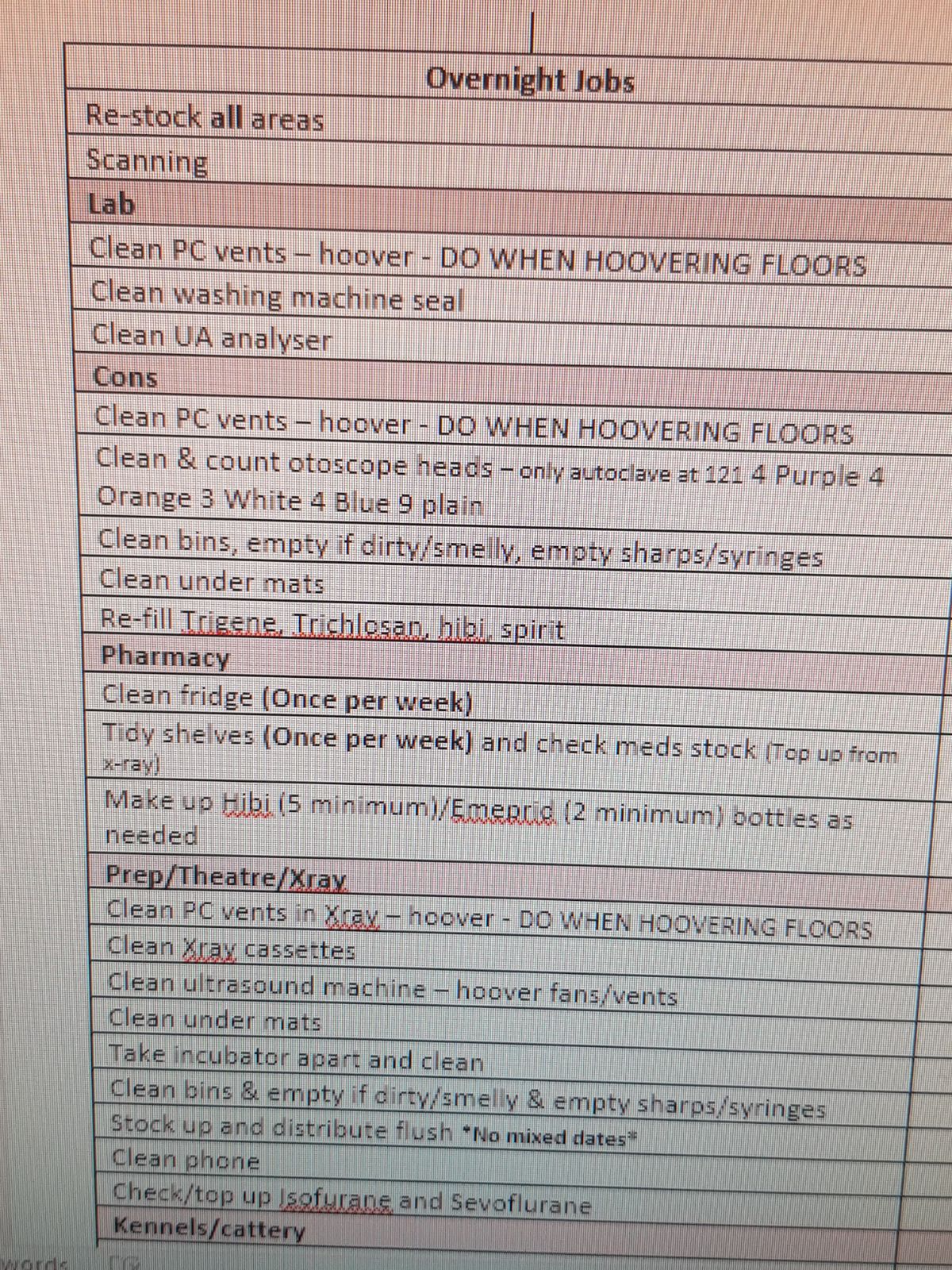
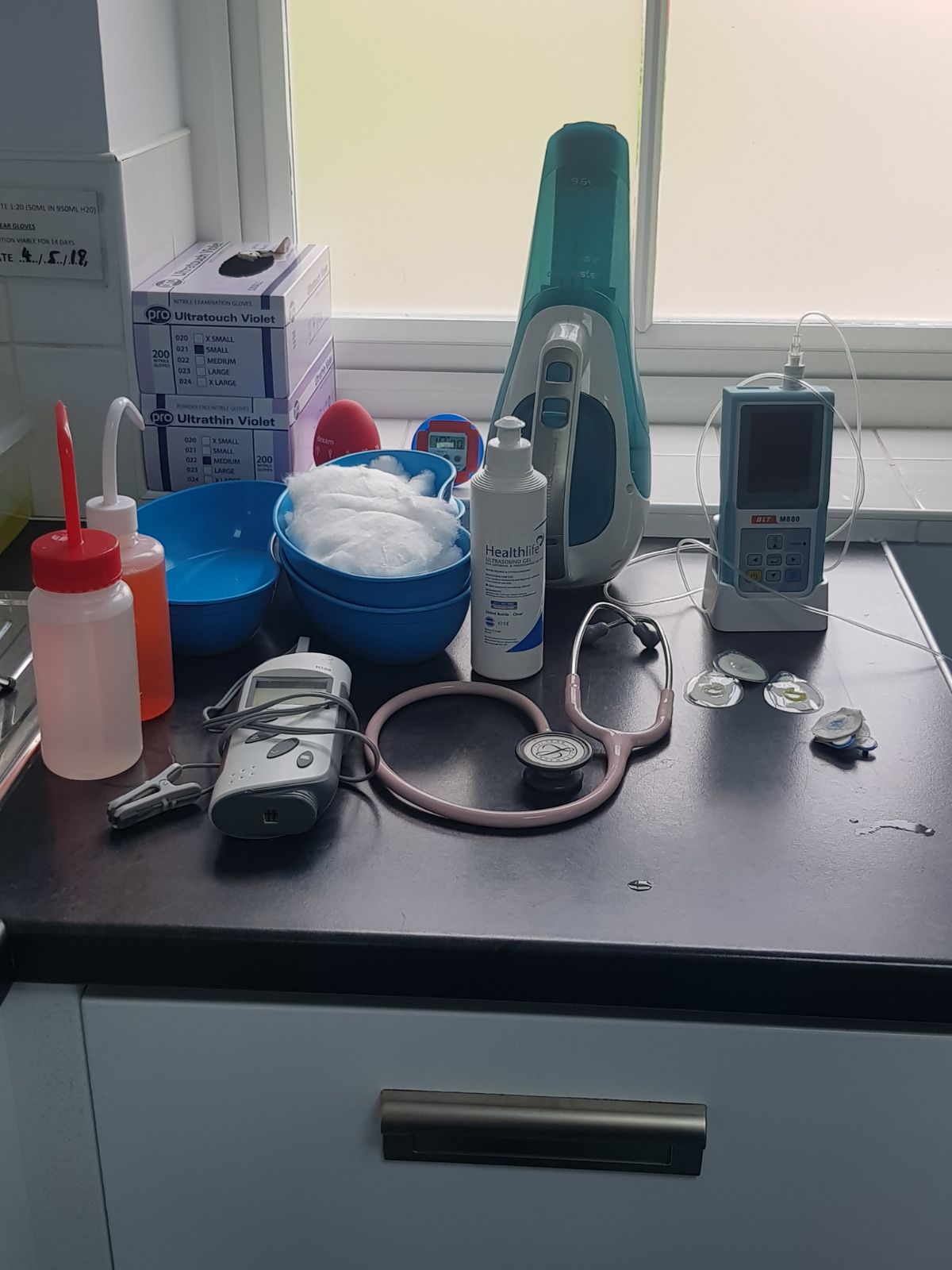
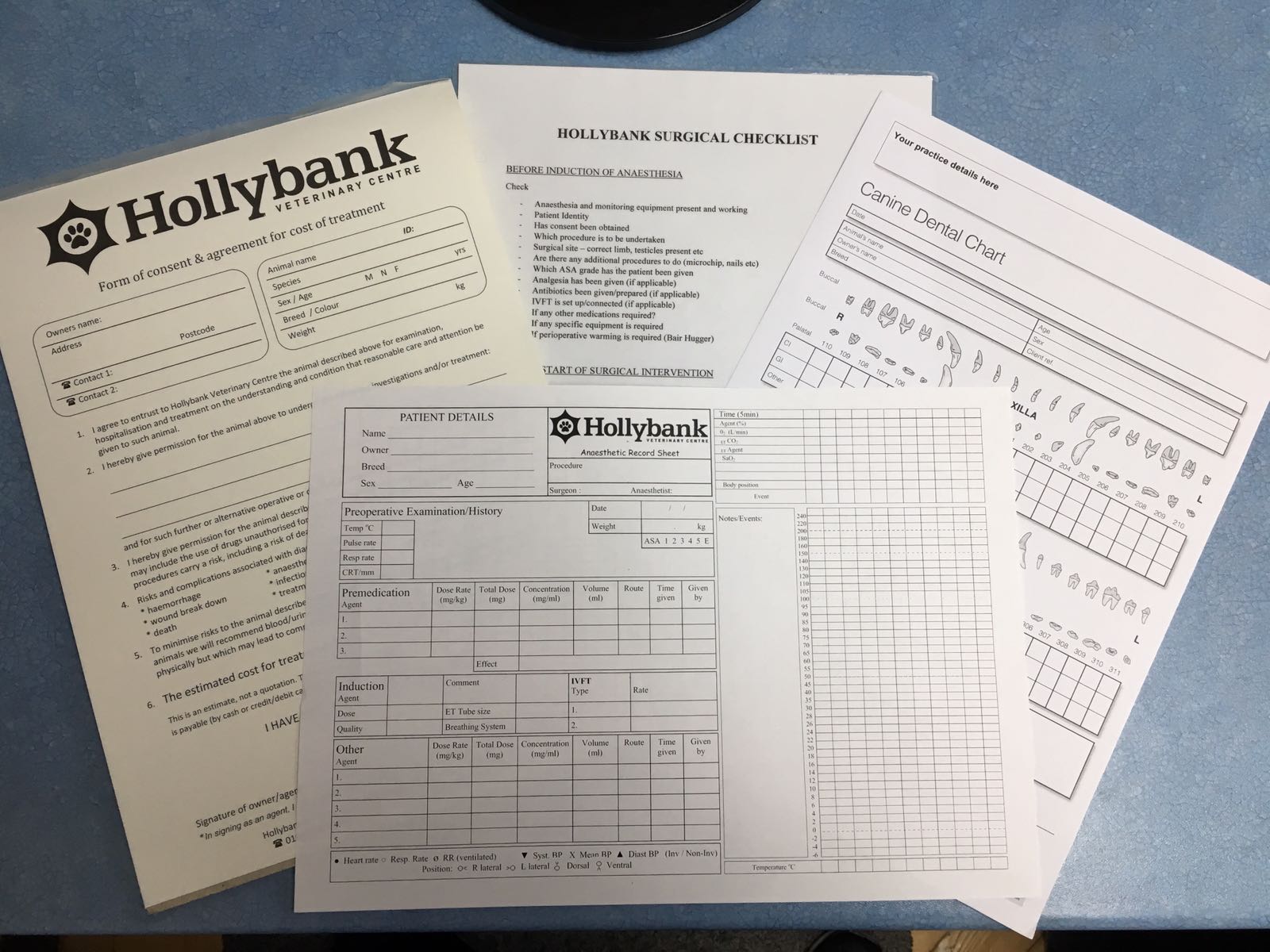
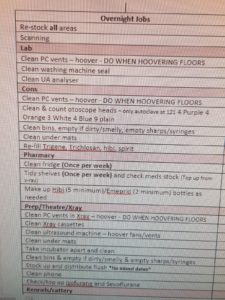 The patients are always our main priority, but once 8pm checks are completed it’s time for them to get some well needed rest. During this time we have a list of jobs to complete ready for the practice to open the next day. These jobs include ensuring the practice is fully stocked ready for the days consultations and operations, cleaning and maintenance of our equipment such as the ultrasound scanner and x-ray cassettes, preparing the consent and anaesthetic forms for patients who are being admitted the following morning and forming a plan for the days operations so they can run as smoothly as possible.
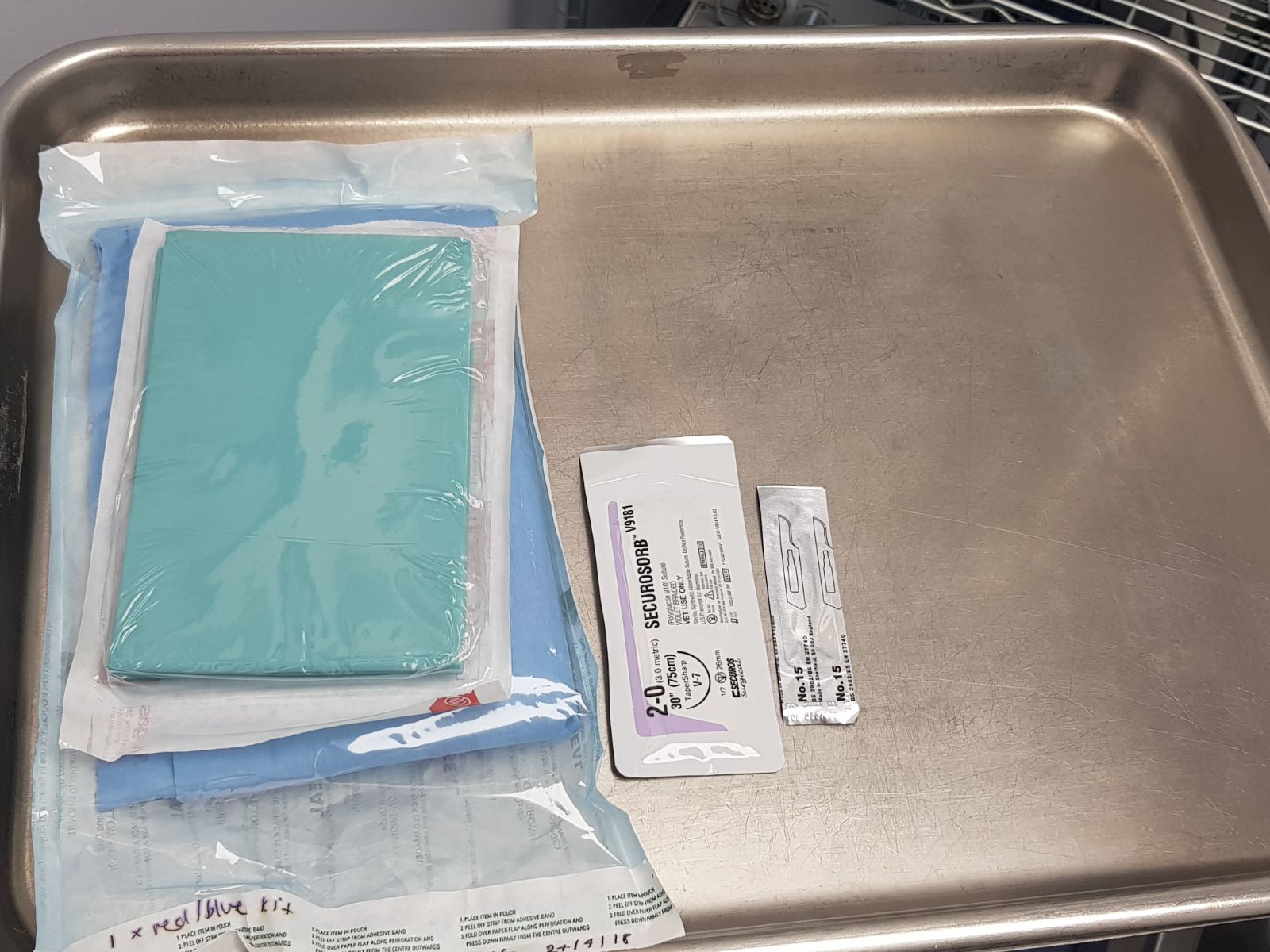
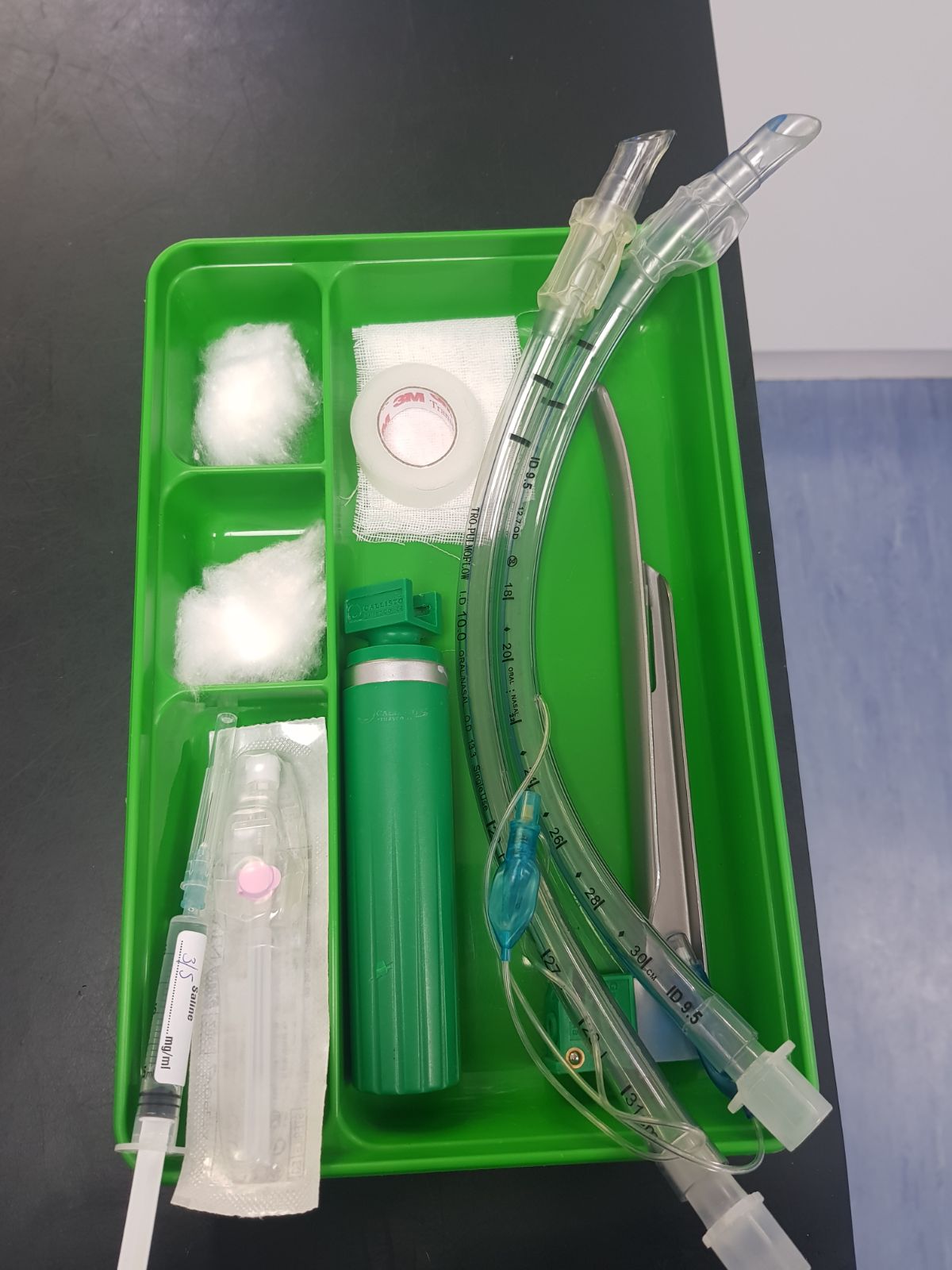
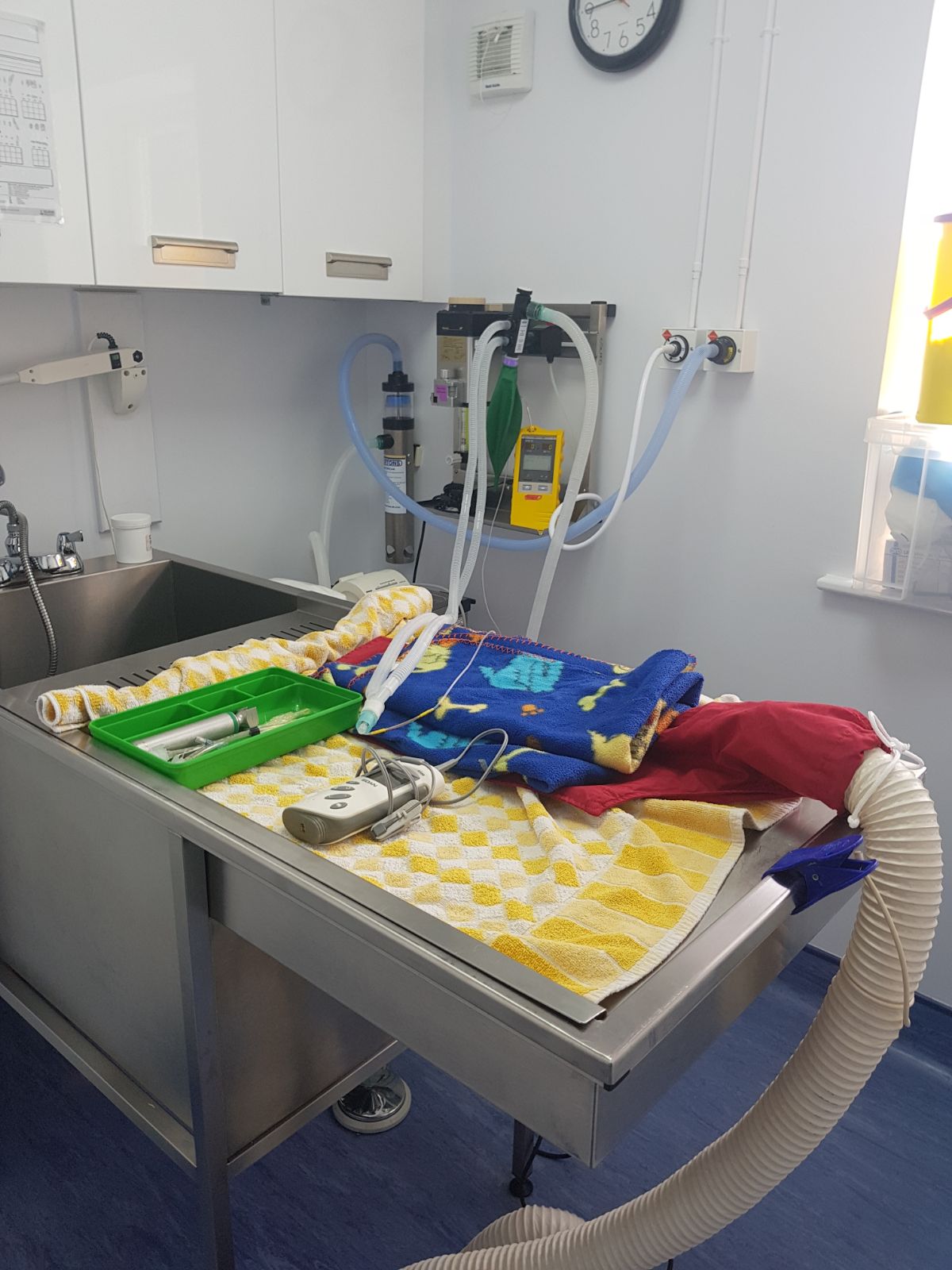
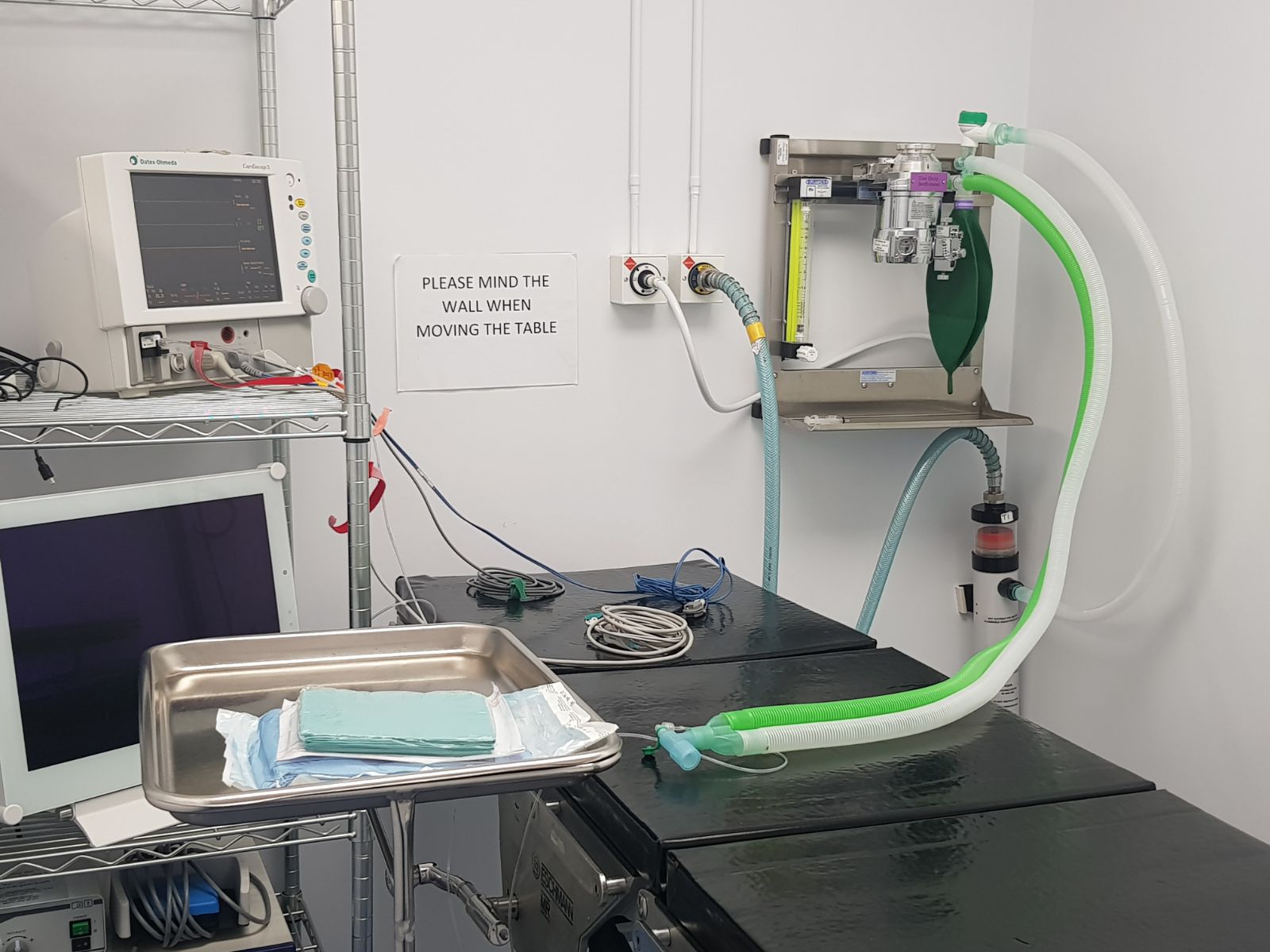
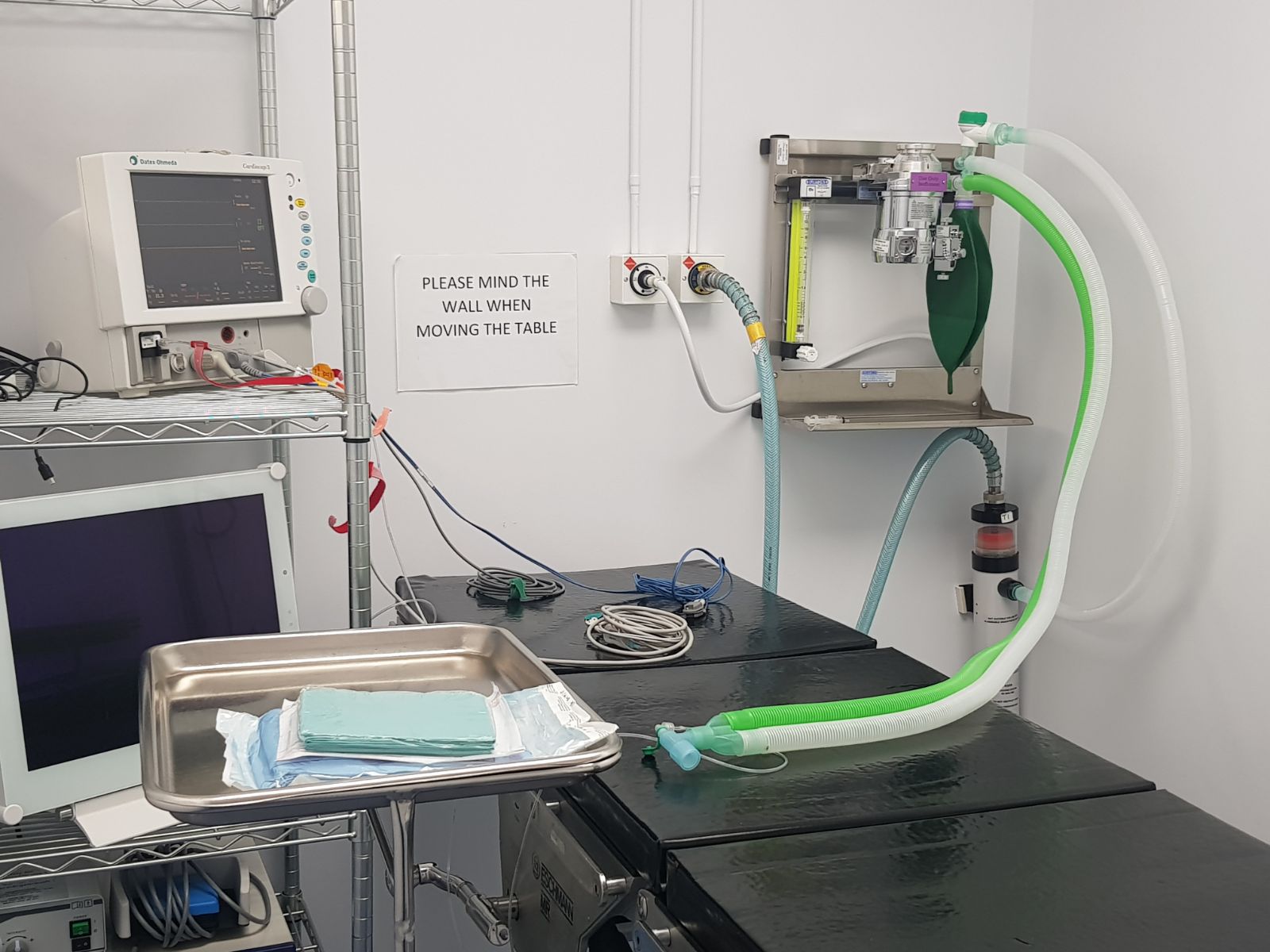
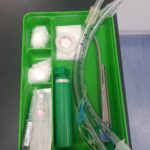
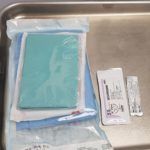 In the morning before the practice opens we set up the consultation rooms and prep and theatre ready for the days surgeries. This involves selecting endotracheal tubes, tube ties, laryngoscopes and intravenous catheter equipment which we keep in a tray designated to each patient. We also select an appropriate breathing system for each patient dependant on their weight and place sterilised surgical kits, drapes, surgical blades, suture material and any extra instruments needed for the surgery onto the surgical trays so they are all prepared and ready for the first surgery of the day.
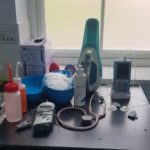
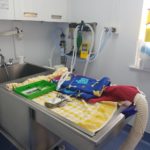
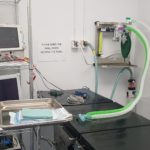
 Once this is completed we carry out our final patient checks ready for the morning rounds at 8am. During morning rounds we discuss how each patient has been overnight, if we have any concerns and what the plan for them for the day is.
As we have been with them overnight and built up a bond we can also pass on information of what makes the patient happy and what they like or dislike. For example, some patients are reluctant to eat when they are in the hospital but if you pretend you are going to eat their food then they will eat straight away! Some patients like to be sat with and stroked whilst eating and some like to be left alone. We are able to find out what each patient likes which allows the patient to feel more relaxed during their stay and allows a quicker recovery time. This information is invaluable and always passed on to the nurse who will next be spending most time with that patient. be looking after the patient It’s always nice to spend one on one time in a quiet environment to get to know your patient and also nice for owners to know their beloved pet isn’t going to be left alone all night.
Once we have set up for the day and completed our handover it’s time to go home and get some well needed sleep before our next night shift begins!
The Weekend Nurse
As well as working night shifts, we also work weekend shifts to continue to provide the highest standard of care outside of normal working hours. We work from Saturday morning right through to Monday morning. There are lots of things we need to do over the weekend to keep the practice running smoothly, most of which are ‘behind the scenes’, so many people don’t really know what we as RVN’s do during this time.
The weekend begins at 8:30 Saturday morning, where we attend rounds with the overnight nurse and the vet on duty for the weekend. This allows us to plan the patients needs for the day and learn anything about them that we need to know.
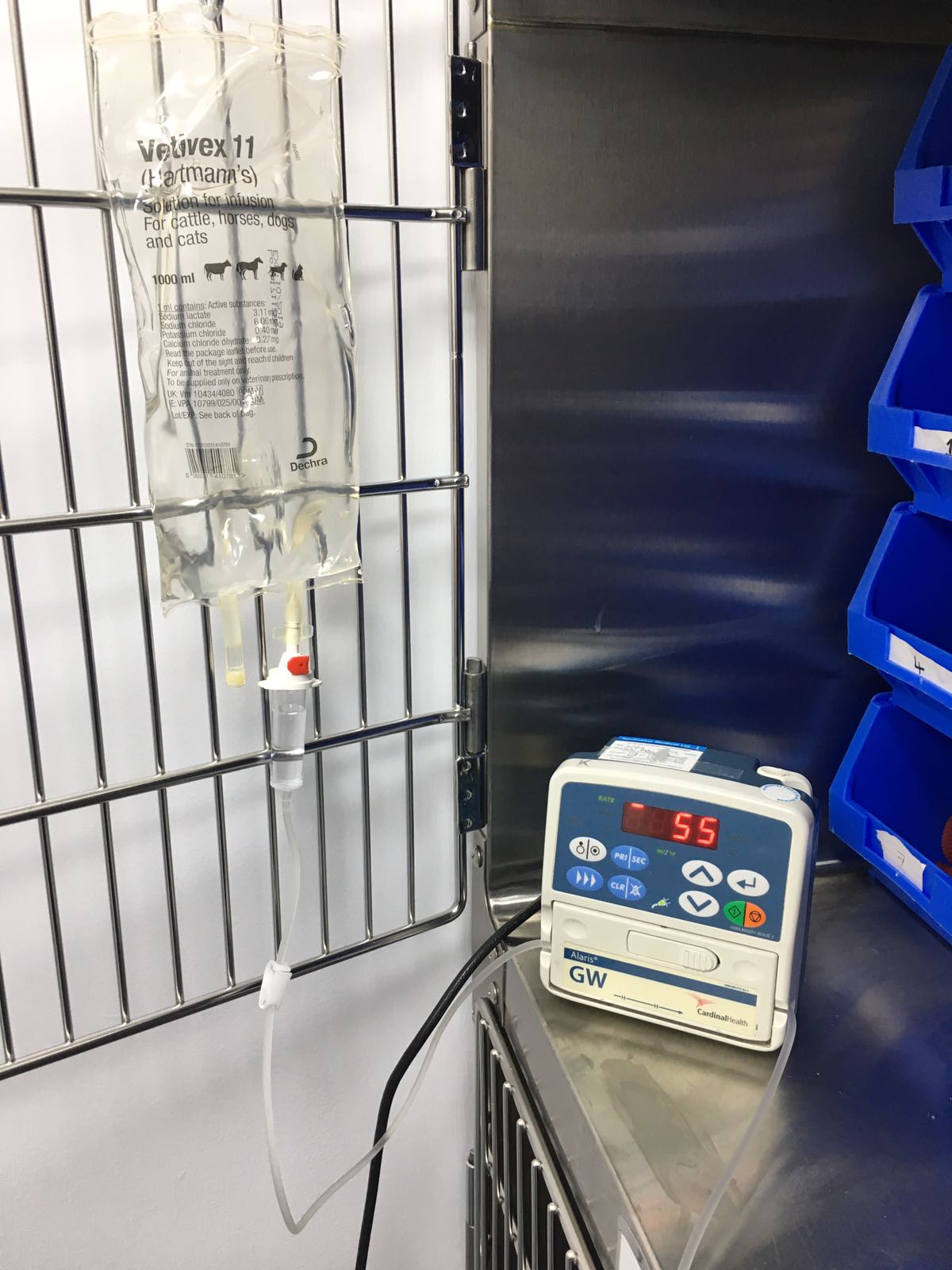
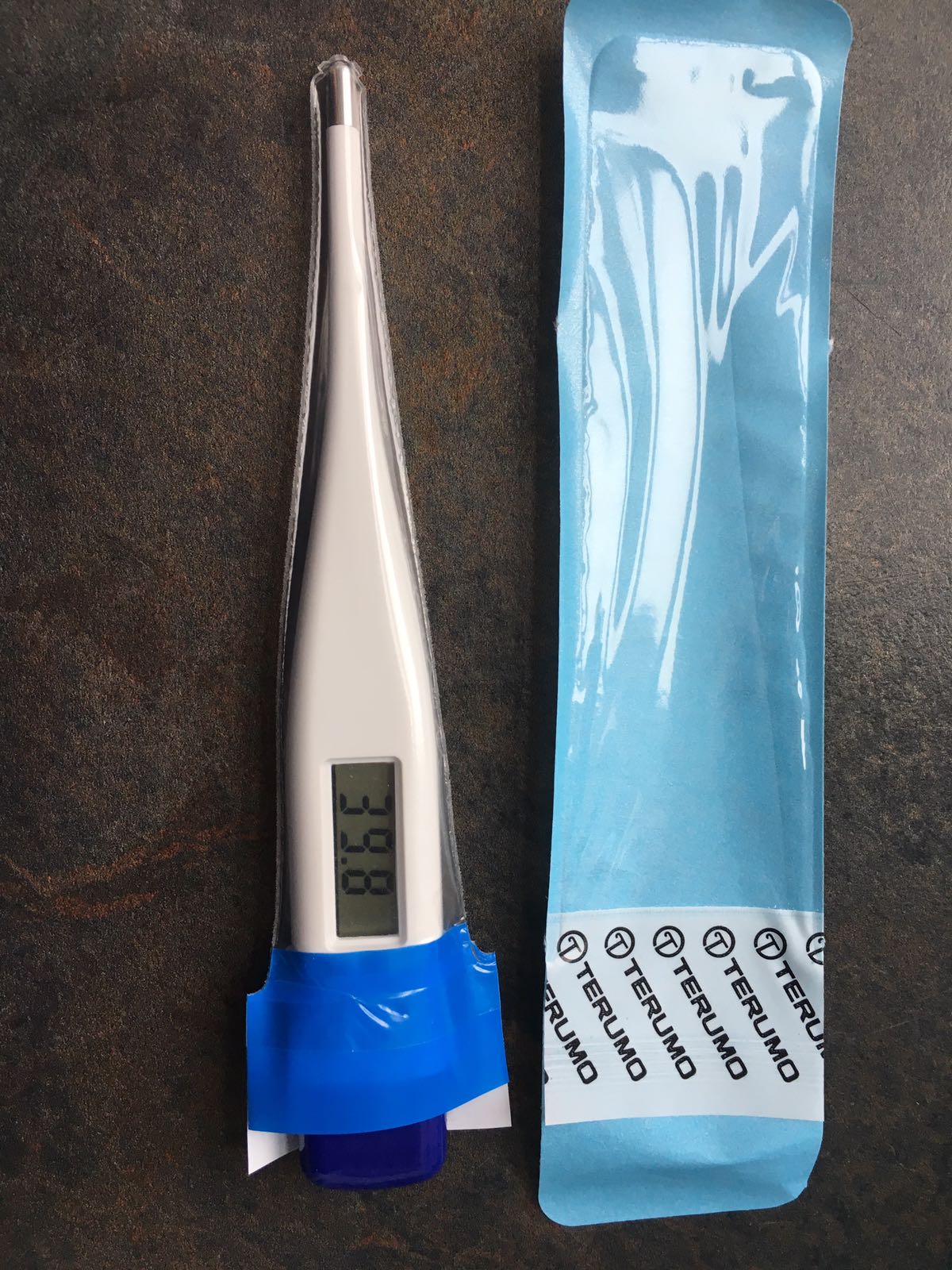
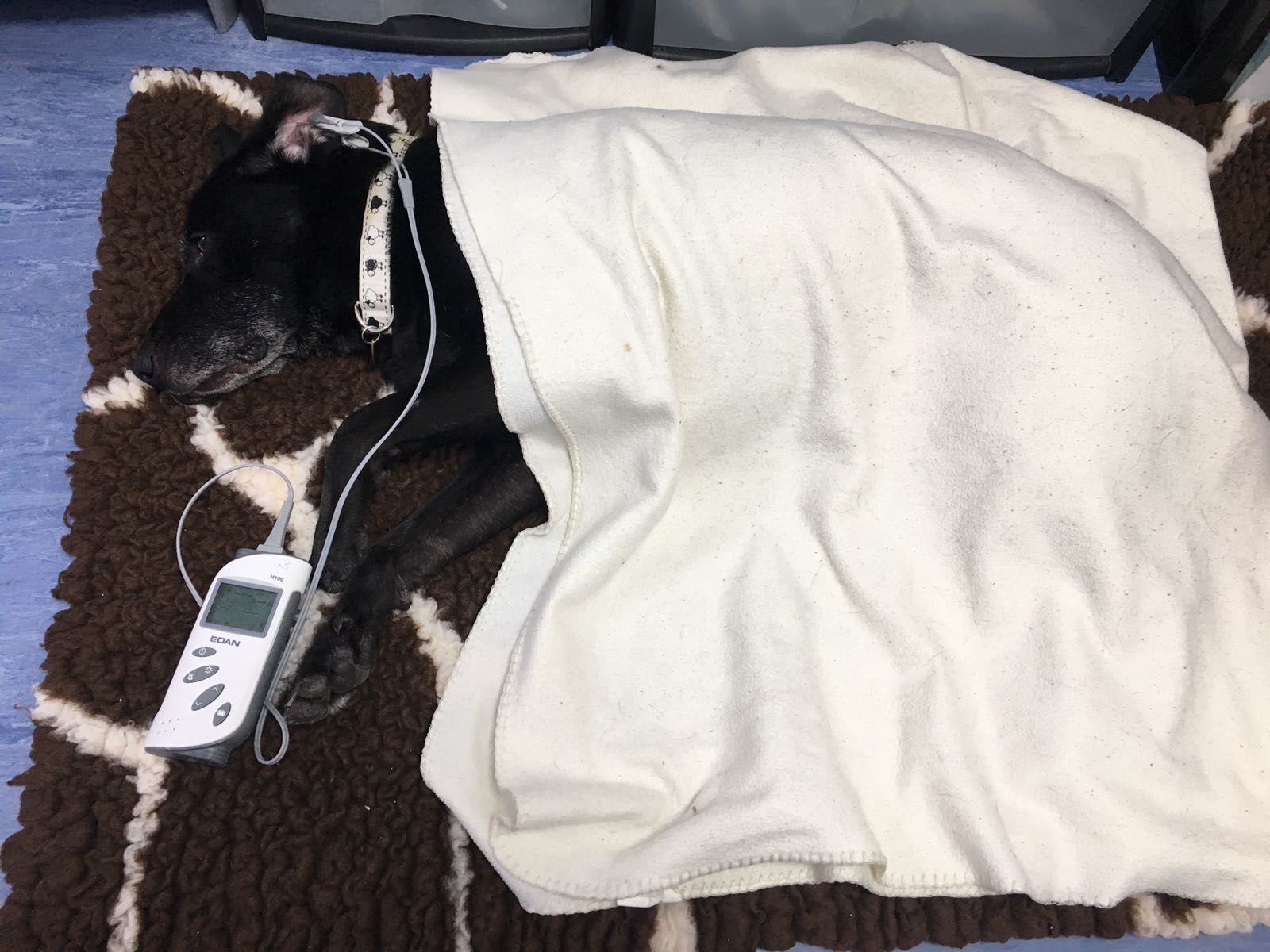
All inpatients are checked at least every 4 hours, and more often if needed. Each patient has their pulse and respiration rate taken at each check and their temperature if required. We also carry out a demeanour check to assess whether the patient is bright, alert and reactive, quiet or flat. If the pet is on fluids we check the drip is running correctly, and that there are no issues with the drip or the patients catheter. We administer any medication they have been prescribed, and record everything on our hospitalisation sheets.
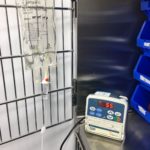
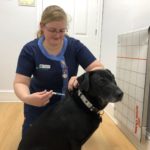
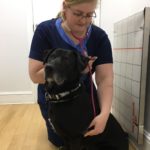
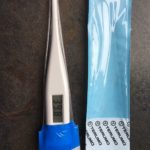
Dogs are also walked outside to let them stretch their legs and go to the toilet in our specific dog walking area. A big part of caring for inpatients is giving lots of TLC! It can be quite scary for a pet to stay in the hospital away from their family, so we try and make their stay as comfortable as possible, and ensure they get lots of cuddles!
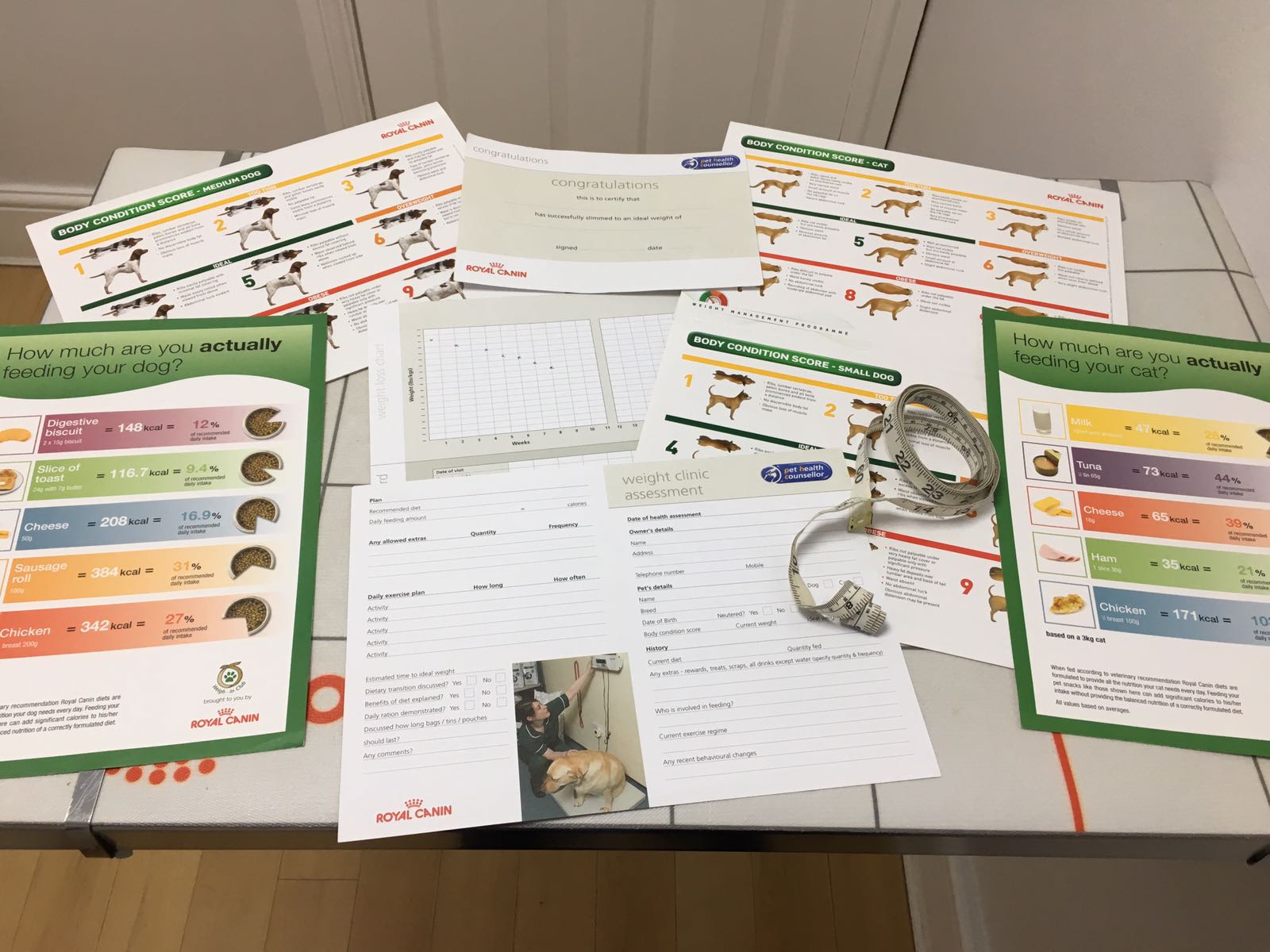
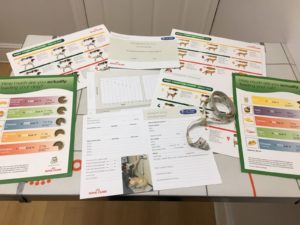 Between 9am and 1pm we are open for consultations as normal, during which time we have nurse appointments available. We spend these appointments clipping nails, expressing anal glands and seeing pets that have undergone surgical procedures back for post-op checks. We also have a range of clinics including weight clubs, where we work with owners to help their pets reach a healthy weight, and puppy clubs, which allow young puppies to get used to coming in to the practice and being handled; all important things to learn for later life.
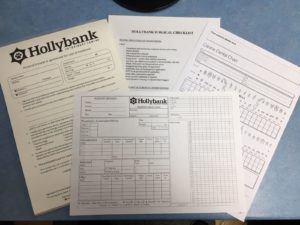 Between appointments we assist the vet with any animals they need another pair of hands with, this may be for an examination or to help collect blood and urine samples. We also dispense medication prescribed by the vet and help the receptionist by answering phones and talking to customers if needed. After morning appointments are over, we ensure the whole practice is clean and tidy, and restock everywhere ready for the next day.
We have lots of jobs to keep us busy throughout the weekend, including lots of washing and cleaning, but also things like preparing consent forms for operation admissions, scanning and filing documents, and caring for Hollybanks resident guinea pigs, Marmite and Marmalade.
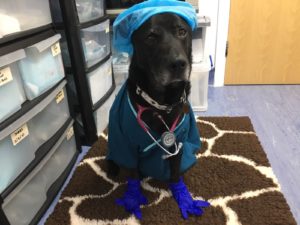 Most of our time over the weekend is spent caring for any inpatients we may have, and as the only nurse caring for a patient during that 48 hour period, we get to have more one to one time with our patients. Many of them need a lot of TLC, which we are happy to give! This one to one time allows us to get to know the patient, what is normal for them, and their likes and dislikes. We can then tailor our care to the individual pet and make their time with us as stress-free as possible. We all treat the patients like our own pets, so you can be sure they are well looked after whilst in our care.
When the on-call vet receives a phone call out of hours, they decide if the pet needs to be seen for an emergency appointment. The RVN makes sure that any necessary equipment is ready to use and is prepared if the patient needs to be admitted. If the client and pet arrive at the practice before the vet does, we will triage the patient, which allows us to decide if the patient needs urgent treatment, such as being placed on oxygen before the vet arrives. We then assist the vet with any investigations or treatment they deem necessary.
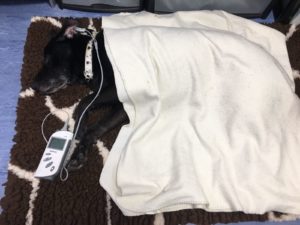 Sometimes these emergency cases are admitted, and we care for them along with any other inpatients we may have. Sometimes these emergencies require urgent surgery, so we would prepare the theatre and anaesthetic equipment ready to use. We then monitor the animal under anaesthetic, prepare them for surgery and assist the vet in any way whilst they perform the procedure. We then monitor the patient during recovery until they are awake enough to move to the wards. Once the patient is stabilised and comfortable in their kennel, we thoroughly clean the theatre and preparation rooms ready for the next emergency that may walk through the door.
After all the jobs are completed, we have the chance to catch up on a little bit of sleep in between our day and evening four hourly checks. We have a bedroom where we can get some rest, which is a little home away from home during the weekend.
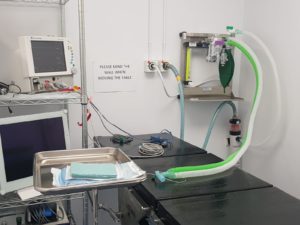 On Monday mornings we prepare the theatres and anaesthetic equipment ready for the days operations. We then attend rounds at 8am where we pass on information about the patients we have been caring for over the weekend. We finish our shift at 8:30, when we can go home and catch up on sleep!
Working at the weekend can be very different to working during normal opening hours. As the only RVN, it is up to us to make sure the practice runs smoothly, everywhere is kept clean and tidy and the inpatients are cared for to the highest standard. No two weekends are the same, and you must always be prepared for an emergency to arrive. Whilst nobody wants to be separated from their pet, you can be confident your pet is being cared for to the highest possible standard, and treated as one of our own.

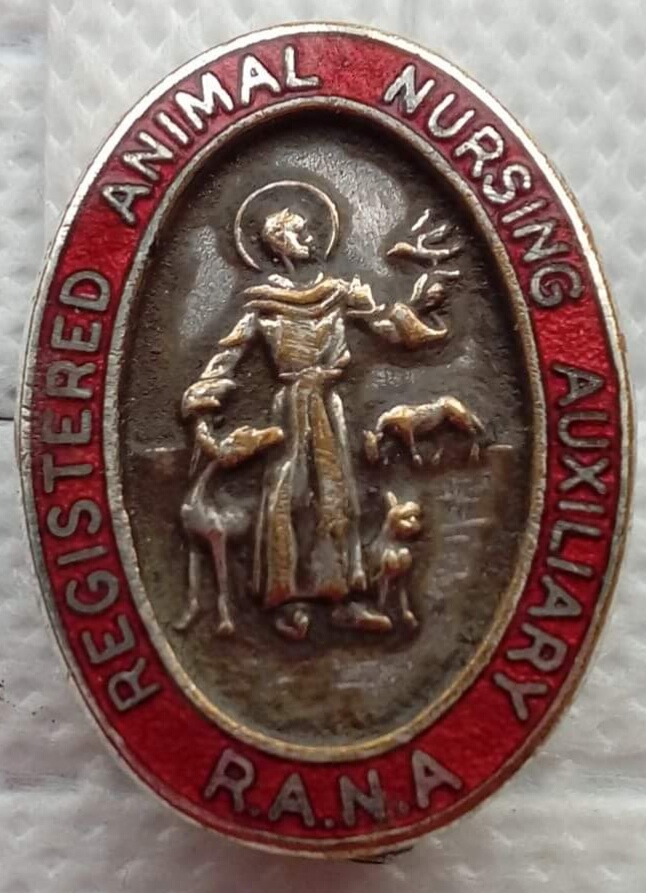 Finally, in 1961, the Registered Animal Nursing Auxiliary (RANA) scheme was approved and veterinary nursing became an officially recognised professional qualification with the first nurses qualifying in 1962. This did not however include a disciplinary system holding RANAs anymore accountable than lay-staff in the treatment of veterinary patients.
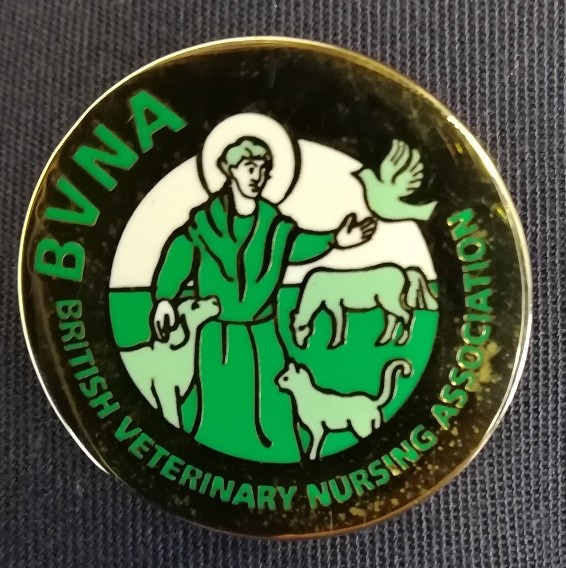 The British Veterinary Nursing Association (BVNA) formed in 1965 but the title Veterinary Nurse was not used until 1984 as the term “nurse” was protected until then, this meant the BVNA had to change their name to the British Animal Nursing Auxiliary Association until 1984 when the statue expired.