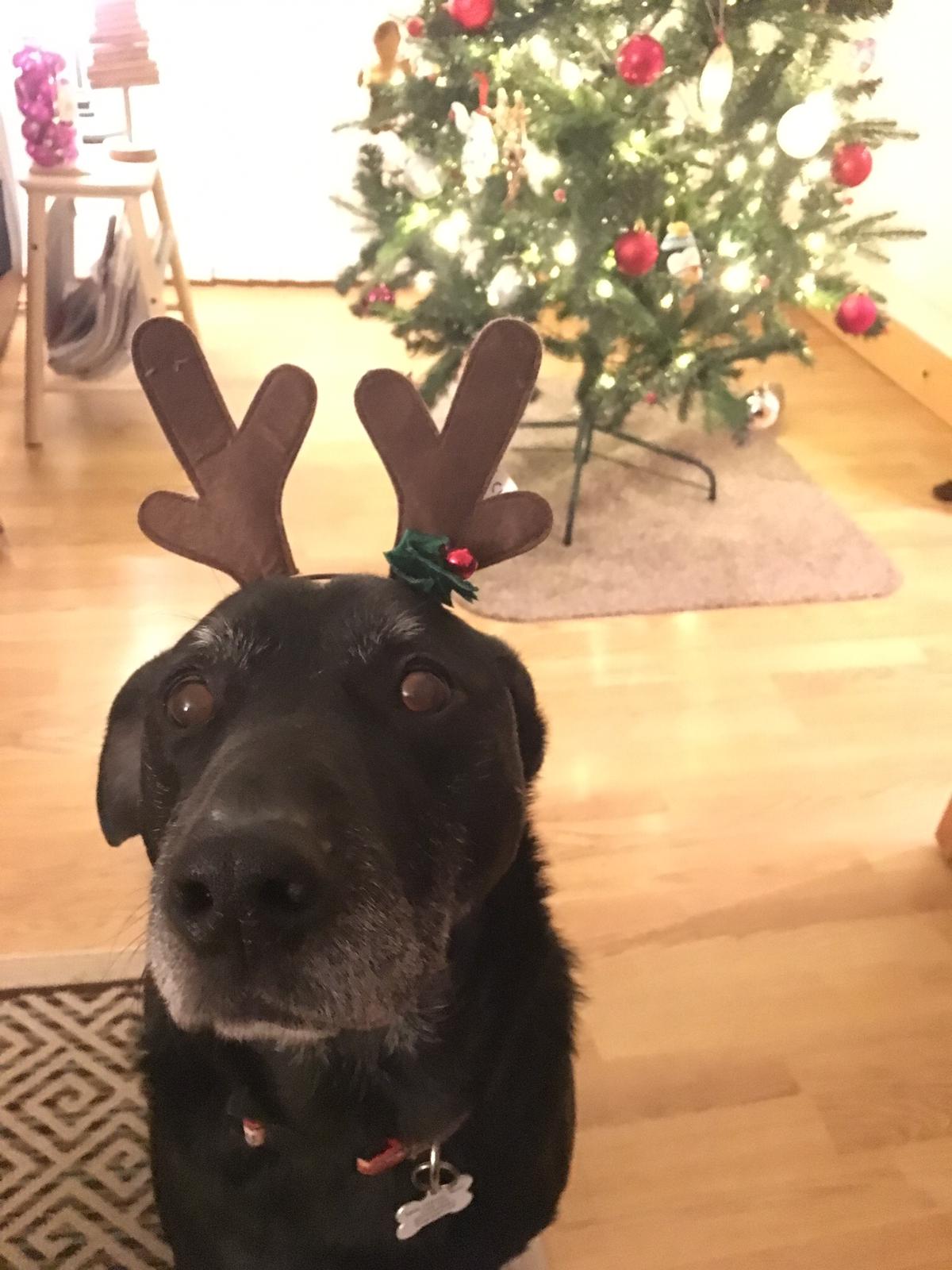
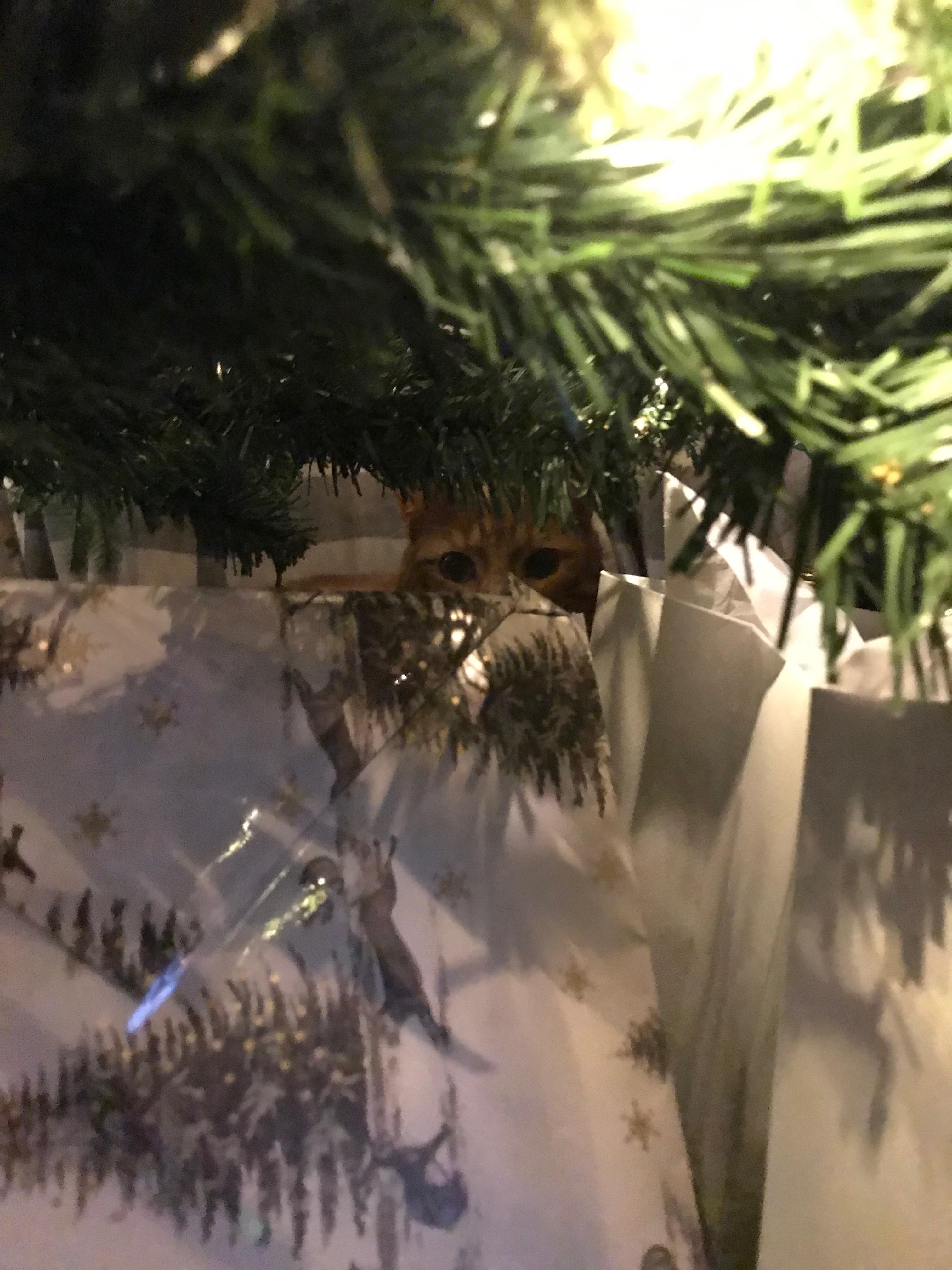
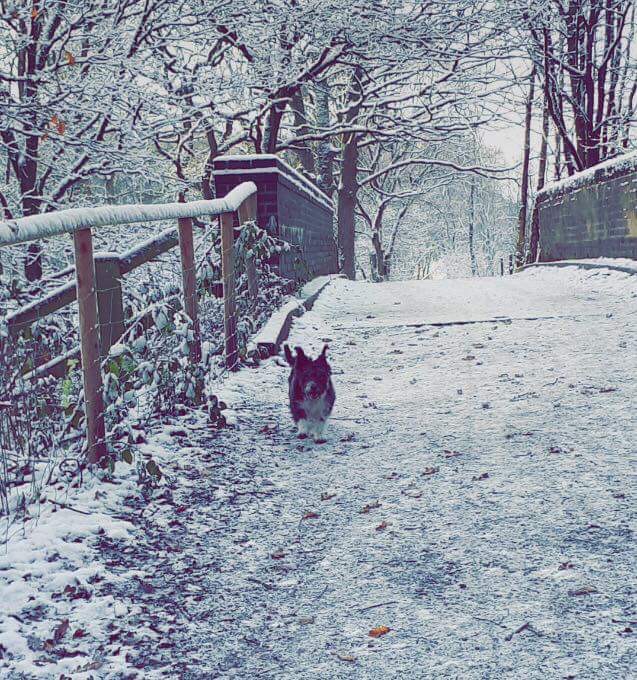
Christmas is a time of celebration and fun that your pets, as part of your family, will enjoy too. Unfortunately, the festive season also brings with it hidden dangers to our four legged friends including festive food, decorations and seasonal plants.
Festive Foods
 Chocolate: Don’t leave any chocolate in rooms unattended with pets in the house. This includes chocolate coins on the Christmas tree and advent calendars on the mantle pieces. Pets are curious and will investigate these tasty smelling treats. It contains a chemical called theobromine which can cause agitation, hyper-excitability, tremors, convulsions and problems with the heart. The darker the chocolate, the more potent the levels of theobromine are.
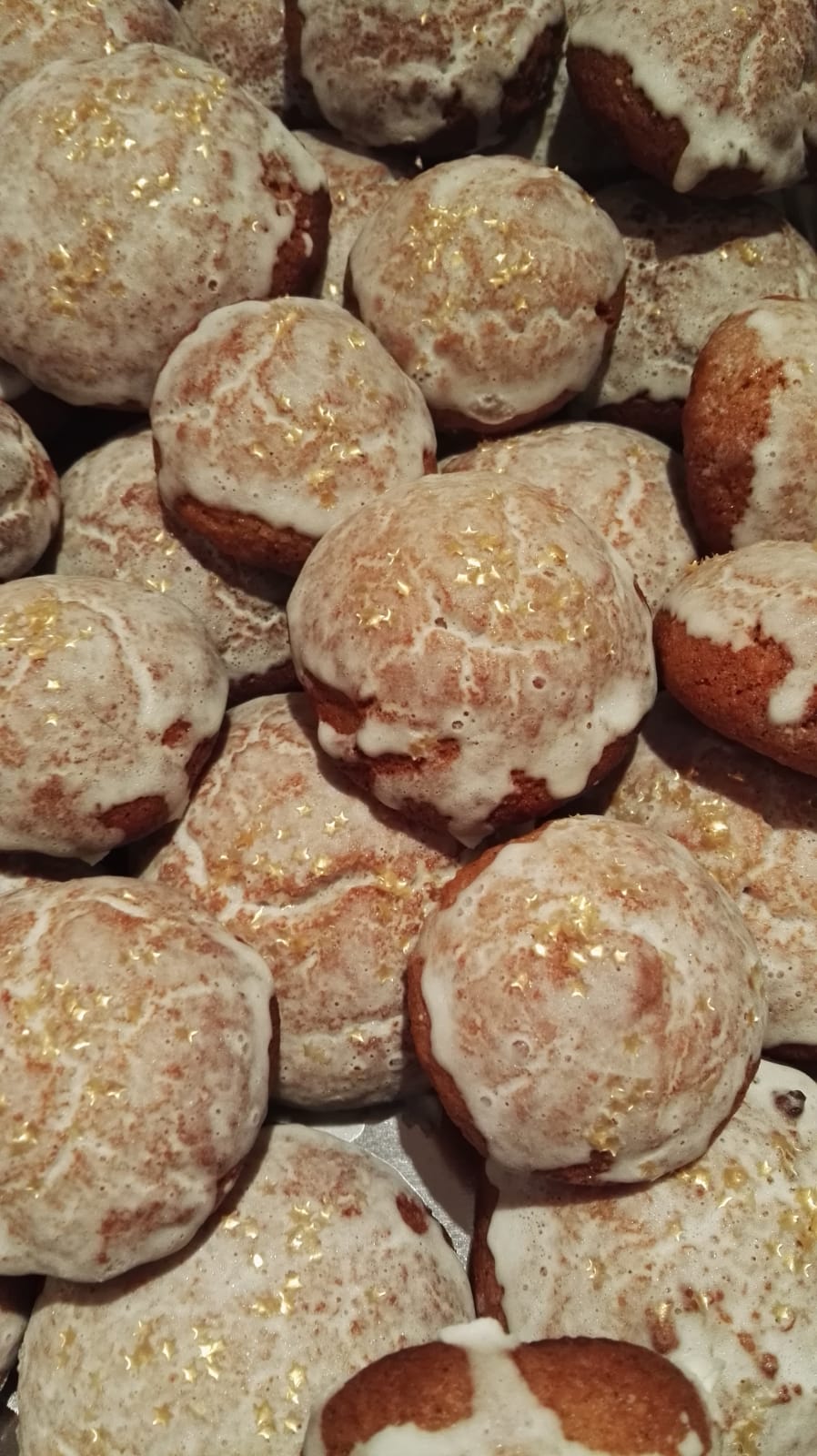
Grapes and Dried fruits: Currants, sultanas and raisins can all be found in Christmas puddings, Christmas cake and mince pies. So, make sure if you can’t finish your dessert after your Christmas meal that your bowl is not left on the side for your pet’s noses to sniff out. The toxic dose is variable for each individual so even a small amount of these can cause severe kidney failure.
Onions leeks garlic and shallots; These can all be found in sage and onion stuffing along with onion gravy. They come from the Allium species of plant and can cause toxicity cooked or uncooked. The initial signs of ingestion are vomiting and diarrhoea, but the main effect is damage to red blood cells (anaemia) resulting in a number of signs but initially lethargy, anorexia and pale gums. The signs may not be apparent until several days after ingestion.
Alcohol; Pets have a lower tolerance to alcohol than us (Yes, it does have the same dizzying affect on dogs as it does us!) A small amount can make them feel wobbly and drowsy with larger amounts increasing the risk of low body temperature, low blood sugar and coma.
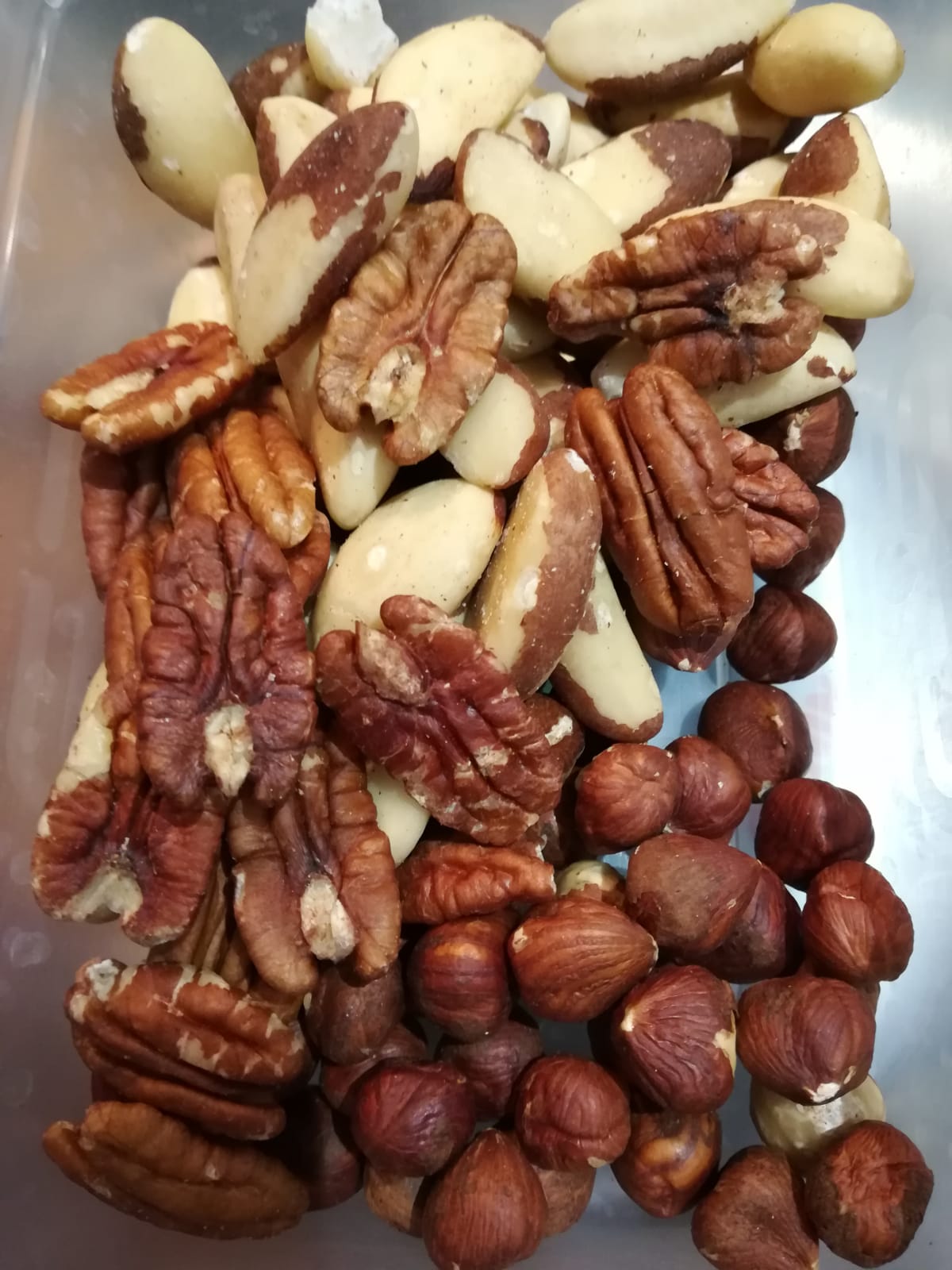
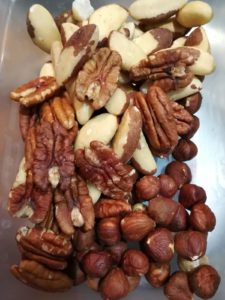 Macadamia Nuts; These can cause lethargy, an increase in their body temperature, tremors, lameness and stiffness in dogs. Other nuts are less toxic but can still cause gastro-intestinal upsets.
Artificial sweeteners; Xylitol is a sugar-substitute found in a number of items but those noteworthy over the festive period are sweets! Xylitol causes low blood sugar levels which can quickly lead to tremors, convulsions and even coma. When ingested in large quantities it can also be toxic to the liver. As is the theme with all of our advice above please be careful with storage of sweet treats over Christmas.
Old and mouldy leftovers: Be careful that you dispose of any leftovers out of the reach of your four-legged friends. Not only can those leftovers contain items already discussed, but mould from foodstuffs such as yogurt, bread and cheese can produce toxins. These toxins can cause tremors and convulsions in dogs.
Festive plants
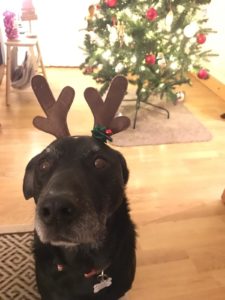 The most important plant to look out for around the festive period is LILLIES. All parts of this plant are toxic to cats, including the pollen that can be bushed onto their fur for them to lick off while grooming later. It causes severe kidney failure in cats.
Other plants to be aware of are:
- Poinsettia
- Holly
- Mistletoe
- Christmas trees
- Ivy
- Christmas Cactus
Inquisitive cats and dogs may chew on these and if ingested, they can cause salivation and signs of gastro-intestinal upsets. Holly may cause skin signs on contact and spiky plants may cause some physical abrasions too!
Christmas gifts
 Silica gel; Silica gel comes in little sachets within packaging for leather items or electrical equipment. The gel is inedible and may cause some mild gastrointestinal signs but is not in fact toxic. If large amounts are ingested obstruction may result.
Decorations; Tinsel and ribbons can be ingested as cats play with them and these can cause obstruction in the intestines causing them to concertina causing an obstruction. Chewed and swallowed baubles will also pose a risk. Ensure supervision of pets around such decorations!
Wrapping paper; Eating coloured wrapping paper may look alarming as the dye in the paper may stain the mouth, but the toxicity is low. Large amounts however could cause obstructions.
Batteries; many of our gifts require batteries nowadays and there are many different types! Alkaline batteries if pierced during ingestion can results in burns and irritation of the mouth, oesophagus and gastrointestinal tract. Lithium batteries (little round ones) do not but both may cause obstruction.
Environmental hazards
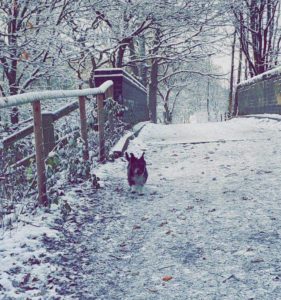 Antifreeze; Anti-freeze contains Ethylene Glycol which is toxic to both dogs and cats. Despite bittering agents animals still seem to ingest these products but cats seem particularly susceptible. It results in neurological signs (wobbling, tremors, seizures), GI signs (vomiting and diarrhoea) and ultimatelybut rapidly kidney failure. Aggressive and immediate treatment is required. Ensure such products are not left lying around and clear up spillages well.
Rock salt (Road Grit); This is often used to help grit our roads in the winter and prevent them from freezing. It can get on the paw and fur of our pets easily and therefore can be ingested through grooming. This ingestion can cause an elevation in sodium levels in the body, leading to diarrhoea, vomiting, lethargy and thirst. If large amounts of salt is consumed it can cause convulsions. Make sure to wash paws well after walking.
Christmas Cleaning; we become extra house proud during festivities and extra cleaning ready for Christmas day guests is bound to occur. Benzalkonium Chloride can be found in many cleaning agents; even cats walking over cleaned surfaces and licking such products from their paws can cause oral irritation, ulceration and even respiratory distress. Sodium Hydroxide often used to clean ovens can also result in severe burns and ulcerations with in contact skin, eyes or via ingestion. Clean to your hearts content but just keep this in mind whilst doing so.
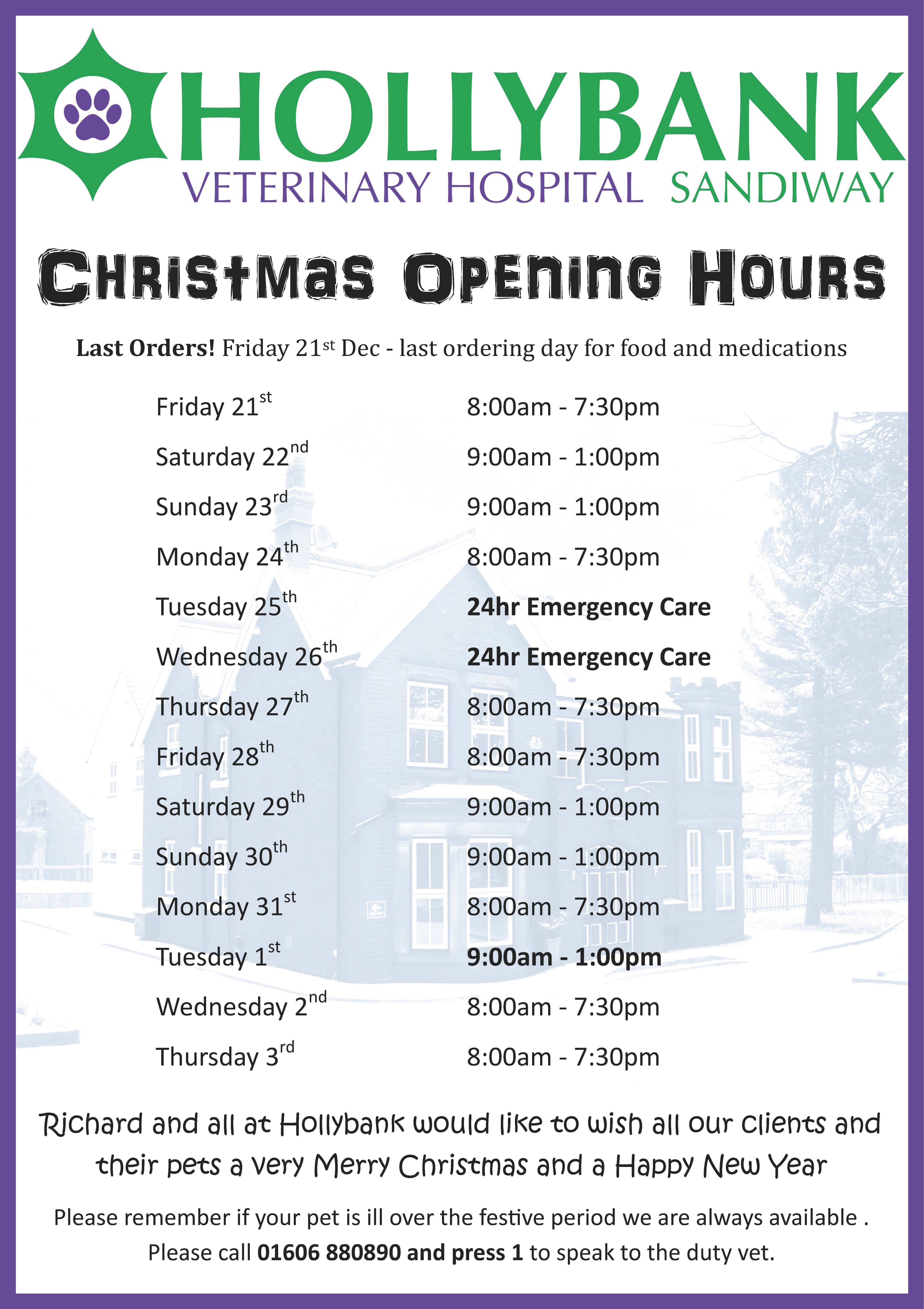
If your pet ingests anything they shouldn’t then please just phone so we can discuss what is the best course of action is-01606 880890. Our Christmas opening hours will be posted shortly but we do have a 24 hour emergency service.

 Clare Hall is a lovely student veterinary nurse (SVN) who completed her placement year with us in 2017-2018. She is currently back at Harper Adam’s University working hard and completing her veterinary nursing and practice management degree. Alongside this she is completing an Honours Research Project.