Chemotherapy in Pets
The “Big C” can be a difficult diagnosis to come to terms with for our pets. The information can be overwhelming at the best of times but particularly after first hearing the news, and following this, after discussing multiple options for treatment.
Generally treatments can take a number of forms and this depends on the type of cancer present:
- Surgical removal. This is ideal if it is possible and can occasionally need to be combined with other treatments.
- Single agent oral chemotherapy. In the simplest form this can be immunosuppressive doses of steroids to reduce inflammation and slow cancer cell division. In recent years we have Tyrosine Kinase Inhibitors (TKI’s) that work in a similar way but are more specific to certain cancers. Alternatively, some protocols exist which involve an oral chemotherapeutic agent every 2- 3 weeks.
- Intravenous chemotherapy agents. These are singular or often combinations of drugs given in the practice at regular intervals to slow the progression of cancer. Some chemotherapy protocols will combine both intravenous (IV) and oral agents.
- Radiotherapy. This is the use of radiation to kill cancer cells. Specialists facilities are required to perform this.
- Palliative Care. This refers to the management of the “consequences” of cancer – pain, infection, vomiting, reduced appetite etc. All of our patients will receive some form of palliative care either alone if that is what we have decided or alongside their cancer treatment.
Sadly however, not all cancers are responsive to all types of treatment and we will guide you on the most reasonable treatment course or options available. For some patients, they may require require a referral to an oncology department, especially if radiation or more novel therapies are being considered.
Chemotherapy
We are confident in providing chemotherapy to our patients at Hollybank from our own experience and knowledge alongside guidance from specialist oncologists as needed. Many owners however, can express reluctance and worry about the prospect of chemotherapy for their pets. Quite understandably due to its connotations in human medicine – mainly the marked and sometimes very visible side effects.
However, in veterinary medicine, the aim for all cancer patients undergoing chemotherapy is to extend life without compromising quality of life. Although we can sometimes achieve ‘remission’ for our patients, the aim is to never completely cure or eliminate the cancer which is the main goal with human chemotherapy. Due to this, chemotherapy is not given at as high doses in animals in order to keep side effects either absent or to a minimum.
Chemotherapy also doesn’t have to come with lengthy IV protocols, some can be given in tablet form at the practice or even in the home environment. This is very true of TKI’s; these are a class of drugs that bind to mutated proteins in certain forms of cancers and reduce their metabolism, making them grow slower. Typically they are given on a Monday-Wednesday-Friday dosing interval in the comfort of your own home. Blood testing prior to starting and periodically throughout is still recommended to monitor for any potential side effects although these are uncommon and usually mild if they do occur. We have generally had a really good experience with these drugs in terms of their effect on the cancer we are managing and the patients tolerance to them.
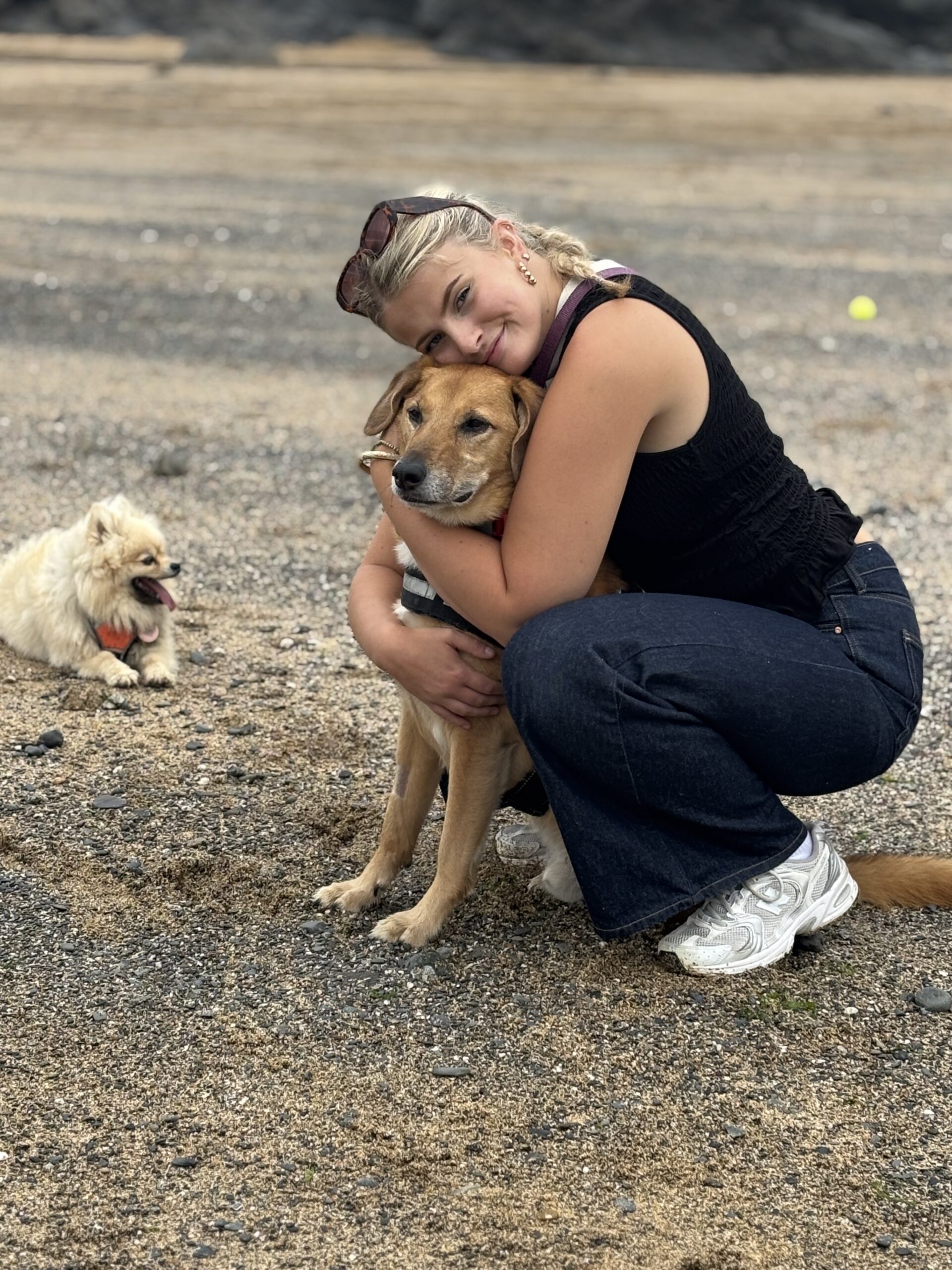
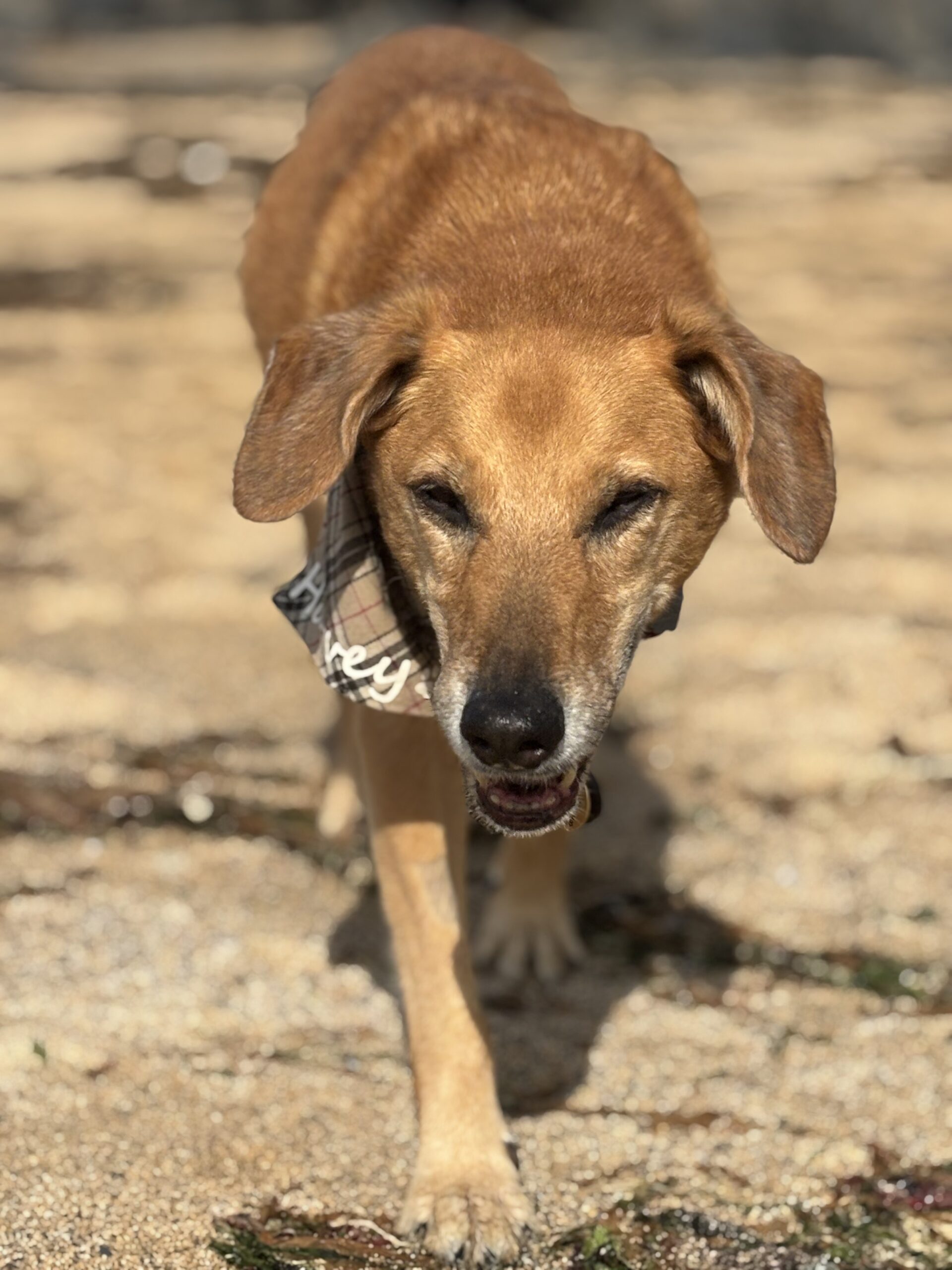
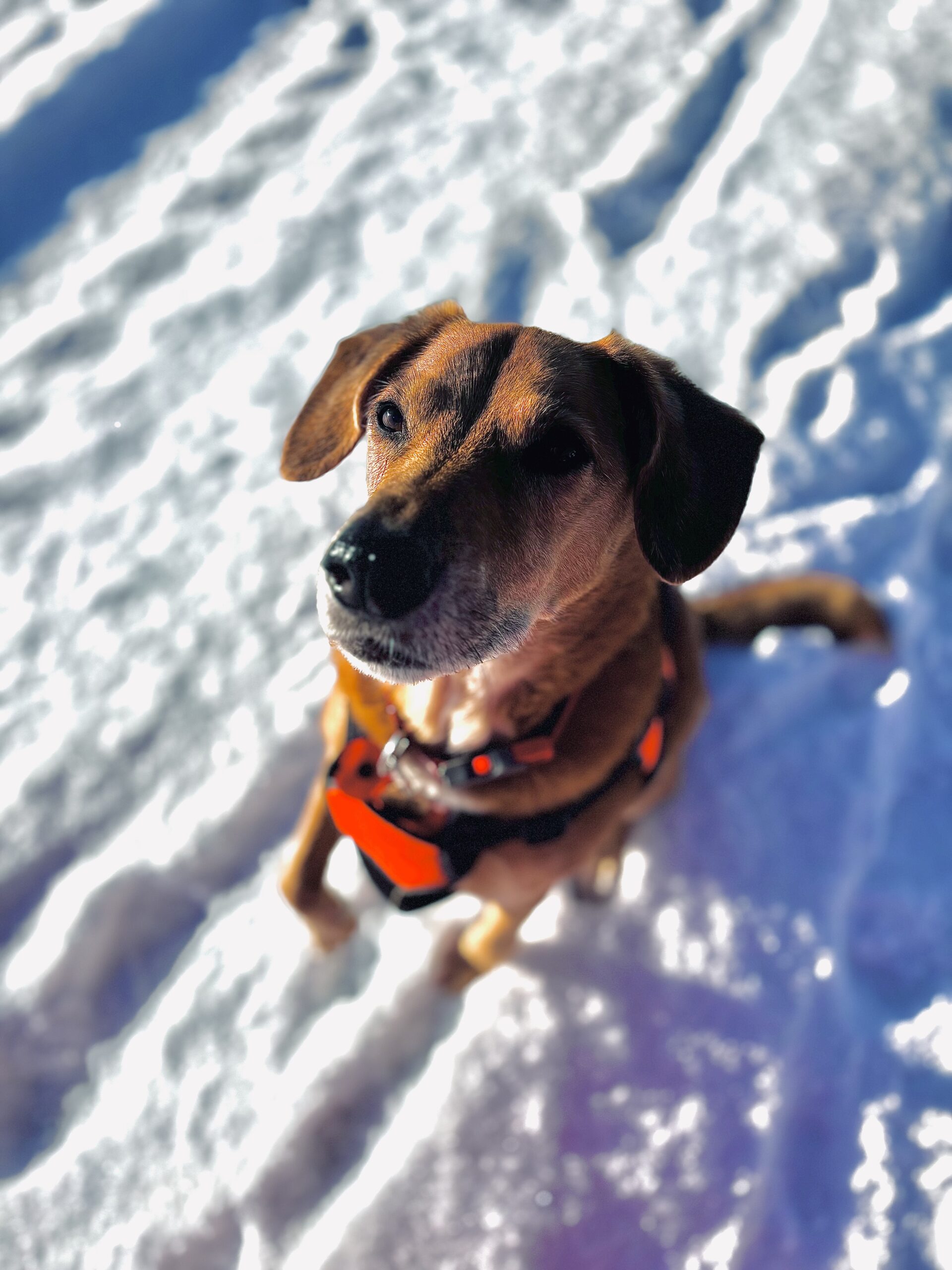
Harvey’s Story
We wanted to highlight wonderful Harvey who is receiving TKI’s in the hope he will make the idea of chemotherapy (if TKI’s are an option for you) and the decision to undergo it feel a little less daunting for owners and their pets.
This is Harvey’s lovely owner and her experience:
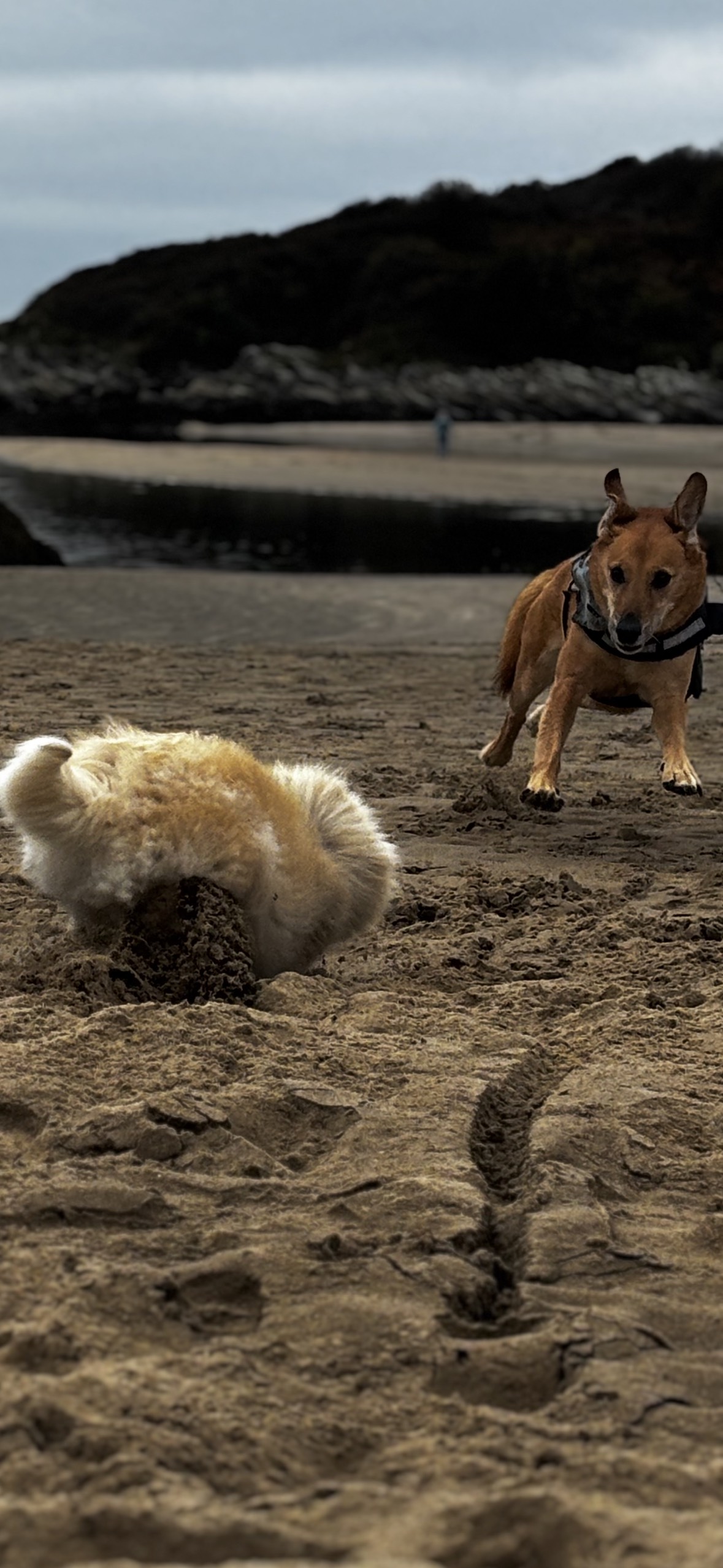
During a routine check up in August 2023 it was discovered that our dear boy Harvey had cancer of his anal gland. Like everyone, hearing the C word was devastating. There were plenty of tears. Harvey had been a big factor in helping our daughter out of depression when she had major surgery. They continue to have a very special bond a decade later and for that we are forever grateful for his beautiful soft nature.
He was scheduled for surgery to remove it quickly but we were warned it may not be the cure. Several months later it was discovered in his other anal gland and once again he was scheduled for surgery to remove. Sadly it was then discovered it had returned to the original site and surgery wasn’t an option. We were told he could go onto chemotherapy, 3 days a week administered by tablets at home. Although by now our insurance was dwindling we decided we could afford to offer him the treatment and hope it would bide him some time. Reading trusty google, with chemo, it said we may get 12-18 months of extra time with him. He is more than worth it. Now here we are, 29 months later, he is doing really well. The tumour hasn’t grown, he continues to enjoy his walks, playing with his sister Luna and all his other doggie friends. You wouldn’t know there was anything really wrong with him. Occasionally he has the odd day he wants to sit in front of the fire and not walk but don’t we all!!!!
Understandably every vet check up comes with apprehension but we are forever grateful we opted to give him a chance and try the chemo and also to every single member of staff at Hollybank who all treat him like the superdog he is – hence the harness he often wears proudly!!!