
Wildlife….How Best To Help?
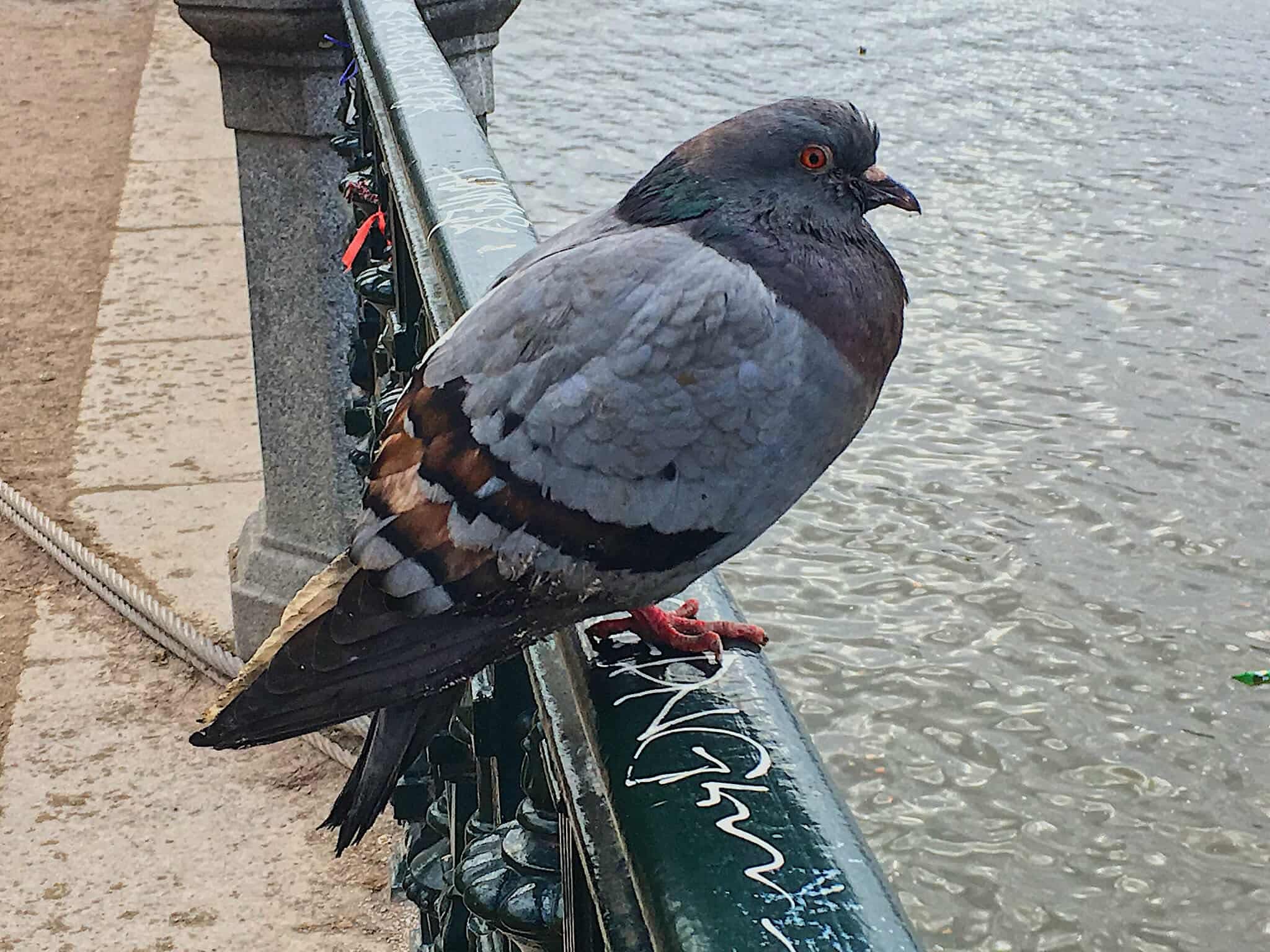
As a veterinary practice, we will often get wildlife brought into us. Often, these animals are injured, and we are concerned about their welfare. However, sometimes if can be difficult to know what the issue is and whether that animal may need emergency care, rehabilitation or on occasion, bringing in at all.
We are here to help with this and always recommend giving us a phone call so we can help decide the best course of action, whether that be monitoring the animal for a short period, bringing the animal to the vets or seeking more specialised support at local wildlife centres and conservation trusts.
Below are some of our tips on being safe around wildlife and who in addition you can ask for help:
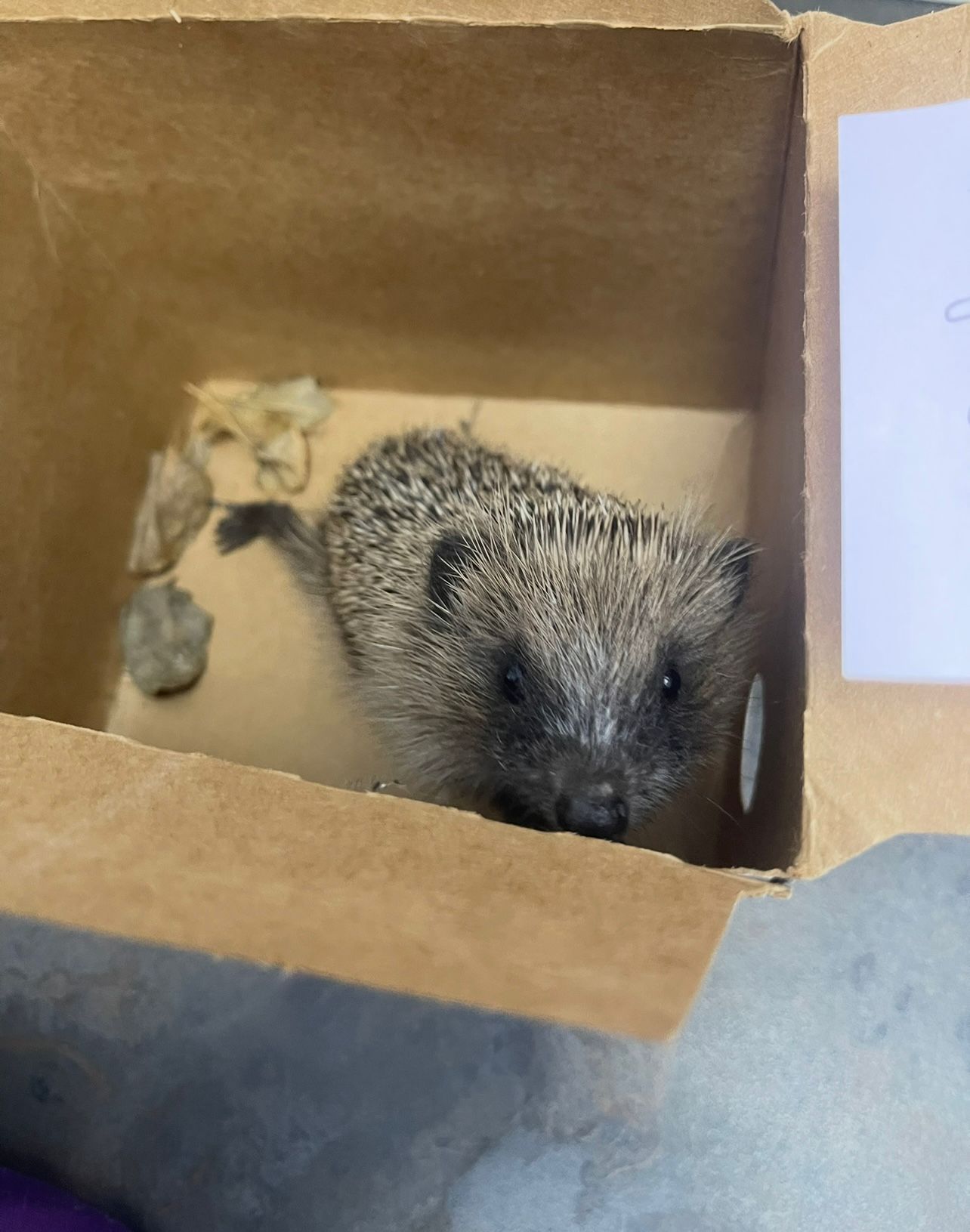
- The RPSCA provide a wealth of advice and guidance on wildlife on their website. It is a wonderful resource in the first instance. https://www.rspca.org.uk/adviceandwelfare/wildlife
- Bats need specialist care and handling. There is a national bat helpline who can provide more specific advice and support. https://www.bats.org.uk/our-work/national-bat-helpline. It is important to remember that we should avoid directly touching any bats.
- We do currently have an outbreak of avian influenza (bird flu) which affects our wild bird population. Please be mindful of this before handling any wild birds. The latest advice on which birds might be affected can be found at https://www.gov.uk/government/news/bird-flu-avian-influenza-latest-situation-in-england
- Our local RSPCA wildlife centre is based just outside Nantwich, they are one of four specific RSPCA wildlife centres in England and have the facilities and knowledge to rehabilitate sick, injured, and orphaned wildlife. https://www.rspca.org.uk/local/stapeley-grange-wildlife-centre
- Lower Moss Wood is an educational nature reserve and wildlife hospital located in Knutsford. They offer advice over the phone and have the facilities to take in orphaned, sick or injured wild animals or birds for treatment and care. https://lowermosswood.com/contact/
If you have found wildlife that you are worried about, please don’t hesitate to contact us first on 01606 880 890