
Firework Fears
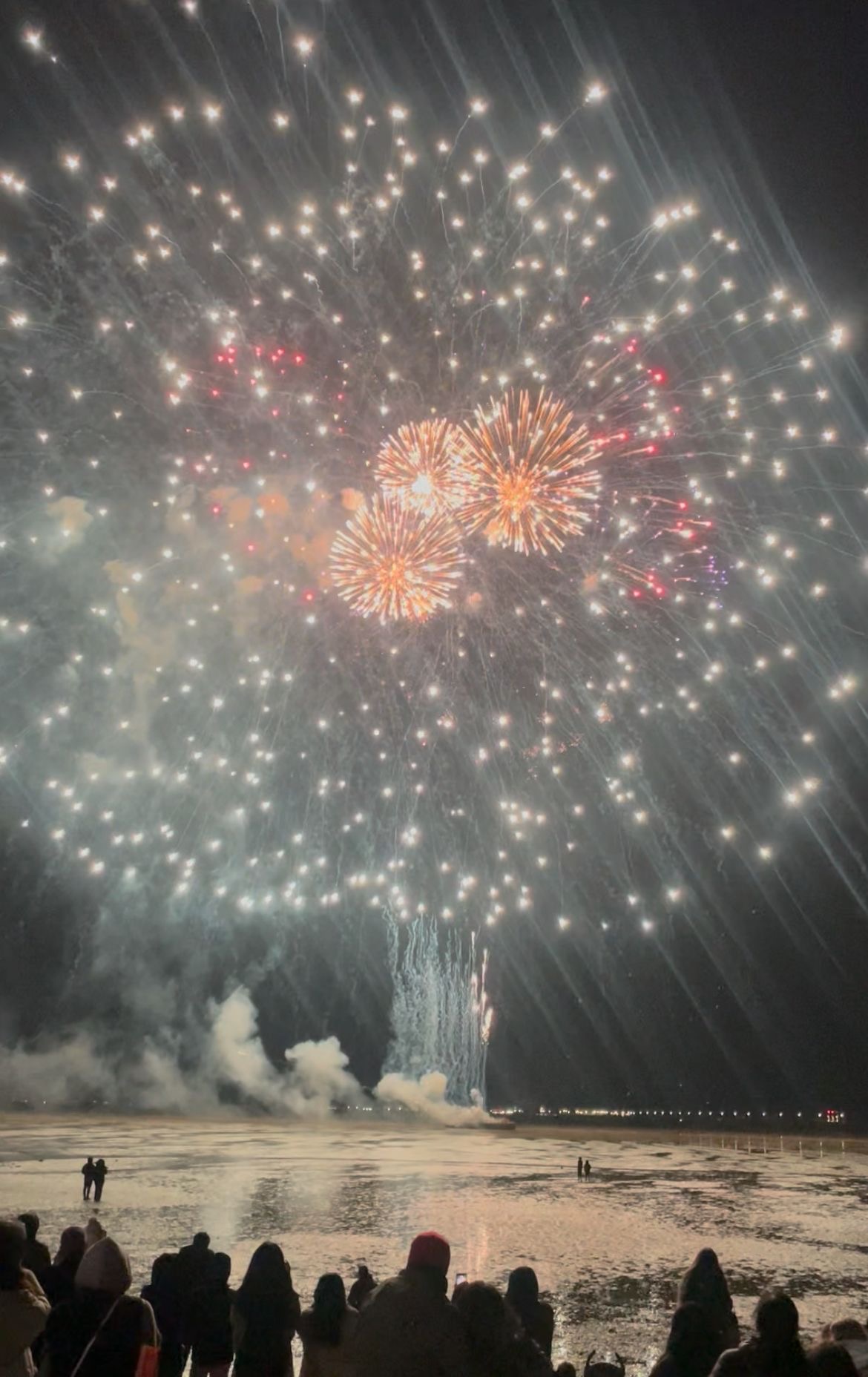
As the nights draw in and festivities start, bear a thought for our four legged friends who may not find fireworks as wonderful as we might and unfortunately we are likely to be hearing fireworks until after the New Year!
Whilst a fear of fireworks is a reasonable emotion for our pets to have, over time these short-term fears can end up causing phobias of unrelated noises.
So, how do we know if our pets are afraid of fireworks? Fearful responses to loud noises include:-
- Trembling, shaking, cowering
- Avoidance, hiding, trying to escape
- Being unsettled and pacing
- Showing signs of stress including panting and salivation
- Destruction
- Soiling and toileting in the house
The key to a stress free firework season starts at home, and the earlier the better! These tips can be used for preparing for next year if your pet was particularly stressed this year.
- Creating a den in a secure-feeling area for your pets, and having them use it. A covered crate for dogs; a bedded wardrobe, or under-bed area for cats, or a covered and bedded, secure cage for outdoor rabbits and other small mammals are good examples.
- Desensitisation – starting with the use of firework recordings at a low level (enough to not cause a response) when your pet is relaxed, and building this up over 5-10 minute sessions daily until the noise is not reacted to at a similar level to that expected on the night.
- Getting pets used to being indoors at high risk times (for example finishing walks, and keeping cats indoors around dusk) and keeping the house darker around these times.
- Getting to know your pets favourite toy and treats that give them the most engagement over long time frames to be able to provide them as distractions on the day.
On the day…
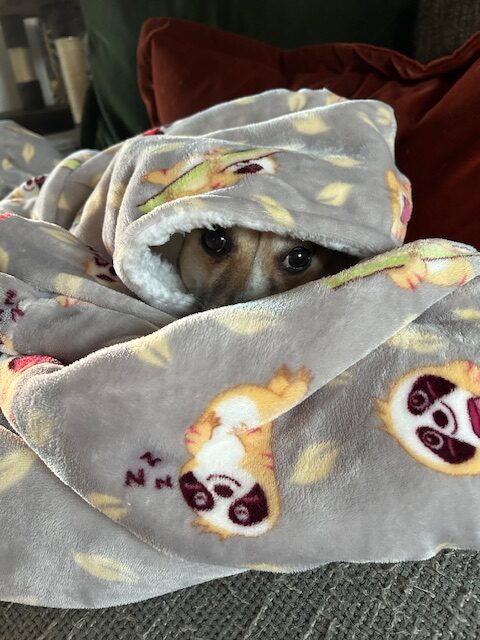
- Make sure your pet’s safe place is accessible.
- Keep calm yourself as our pets are sensitive to our emotions, especially when reassuring them.
- Do not restrain (try to cuddle) or stop animals that are stressed from leaving to a less stressful space – let them hide if they want to.
- Provide distractions and background noise where available for example treats, toys, and the television or radio on at a normal volume.
- If a den has not been successful, provide blankets and boxes to hide under or in.
- Reward any signs of recovery (leaving the den in a relaxed way, settling) with a small reward of a game or treat.
- Pheromone products are useful for spraying into areas that animals frequent at this time.
- Calming supplements containing L-Tryptophan can also be used in the weeks prior to, and during this stressful season.
All the above, and especially desensitisation, can also be put into place longer term to help with noise phobias. If a noise fear or phobia can be turned into a “neutral” experience where the animal doesn’t react, counter conditioning – where a treat or game is given after exposure can make these experiences a positive one for our pets!
What if all else fails?
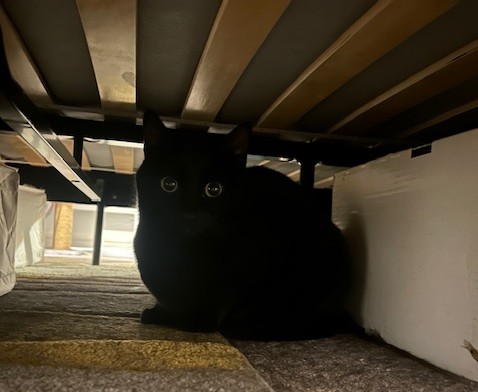
Unfortunately, even with the above measures in place, some animals will still have fears of fireworks. Where symptoms are severe, medication can be prescribed. Examples include
- Anxiolytics (that reduce anxiety)
- Amnesiacs (that cause memories of stressful events to be forgotten)
These would be prescribed after veterinary examination and discussion of the best options for your pet.
If you are looking for any advice for the firework season, or would like to book in for a consultation to discuss options do not hesitate to get in touch on 01606880890 or 01606717969